
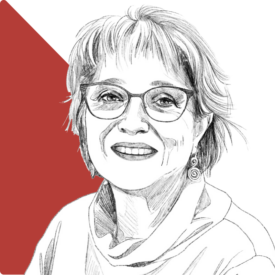
Ana Zubiaga
Genetics and cancer
President of Jakiunde
Euskal Herriko Unibertsitatea (EHU)
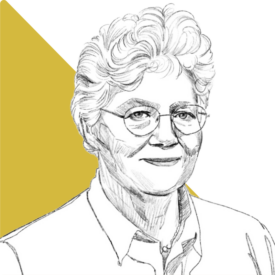
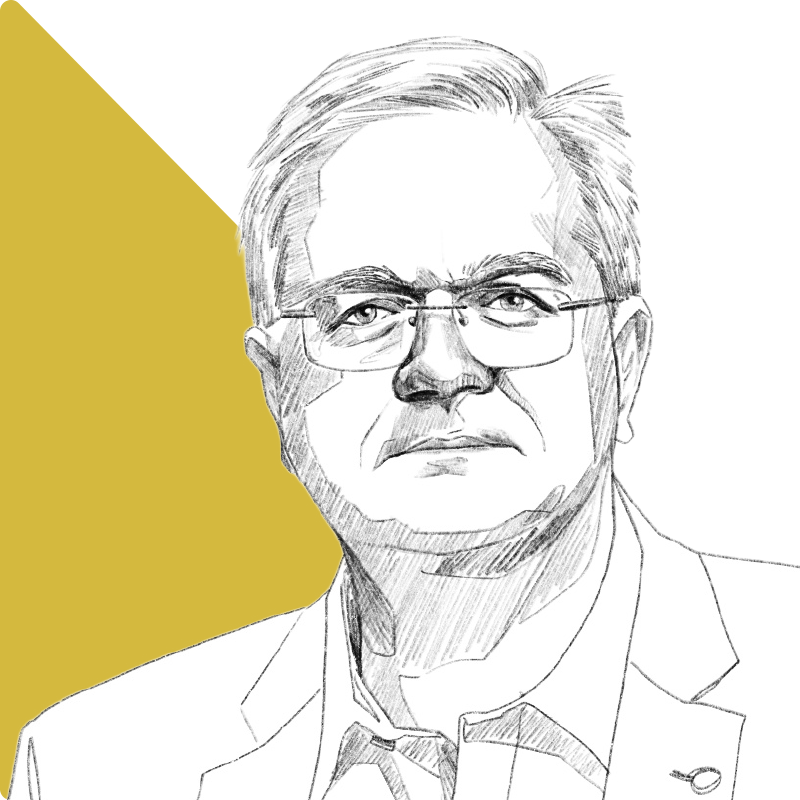
Anne L´Huillier
Attosecond Physics
Nobel Laureate in Physics 2023
Lund University
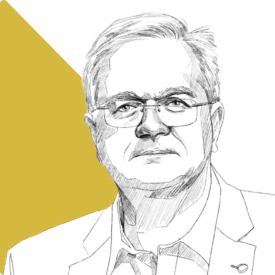
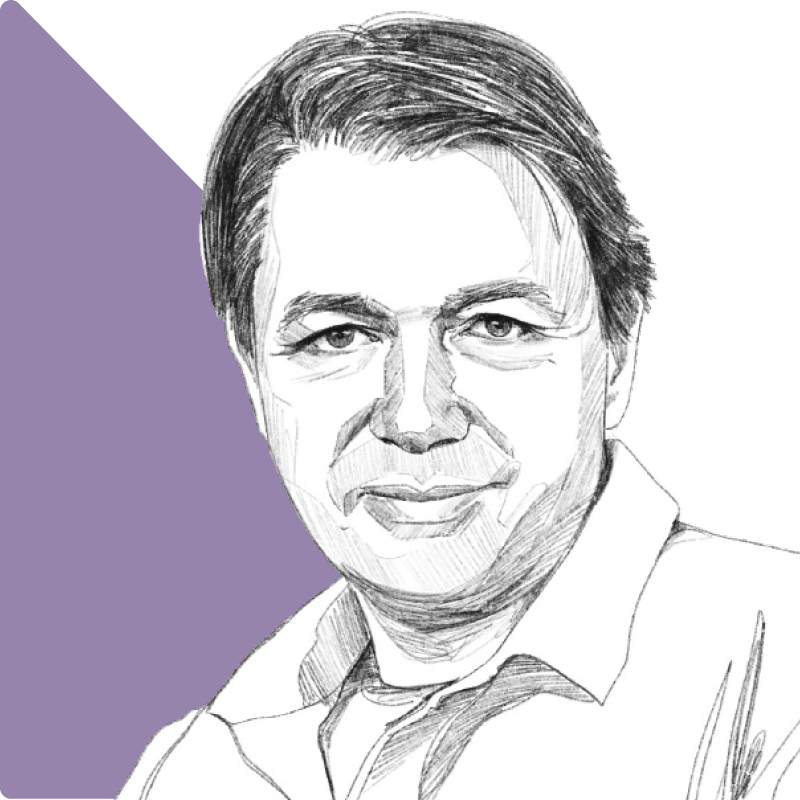
Brian Schmidt
Astrophysics
Nobel Laureate in Physics 2011
The Australian National University
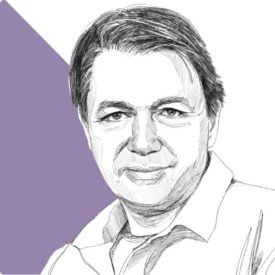
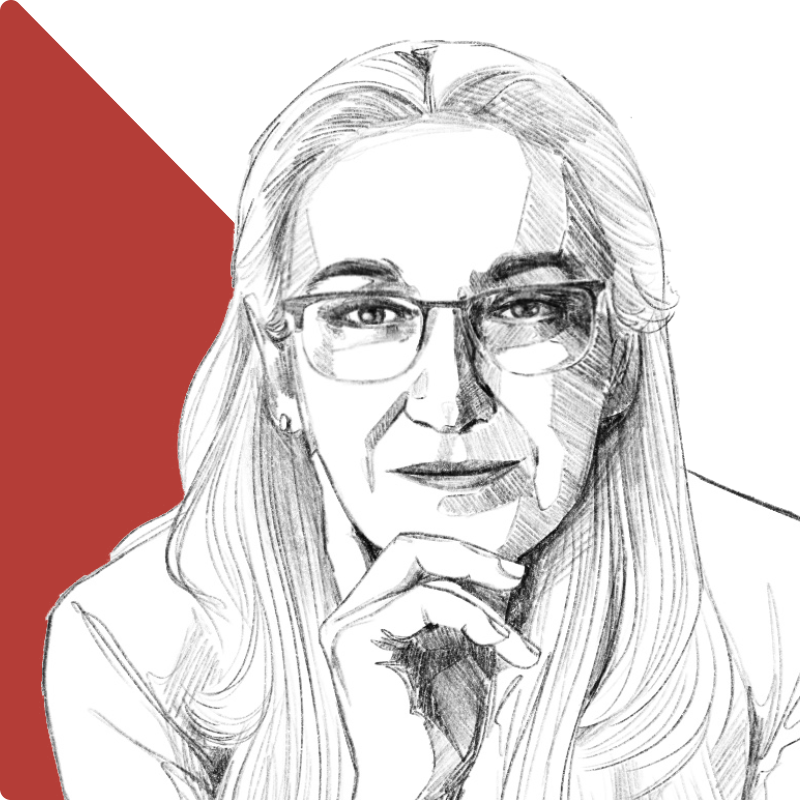
Eneko Agirre
Artificial Intelligence
SCIE-Fundación BBVA National Computer Science Award 2021
Euskal Herriko Unibertsitatea (EHU)
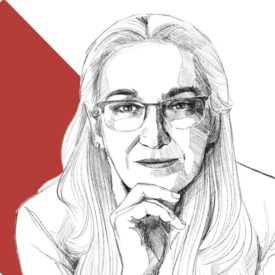
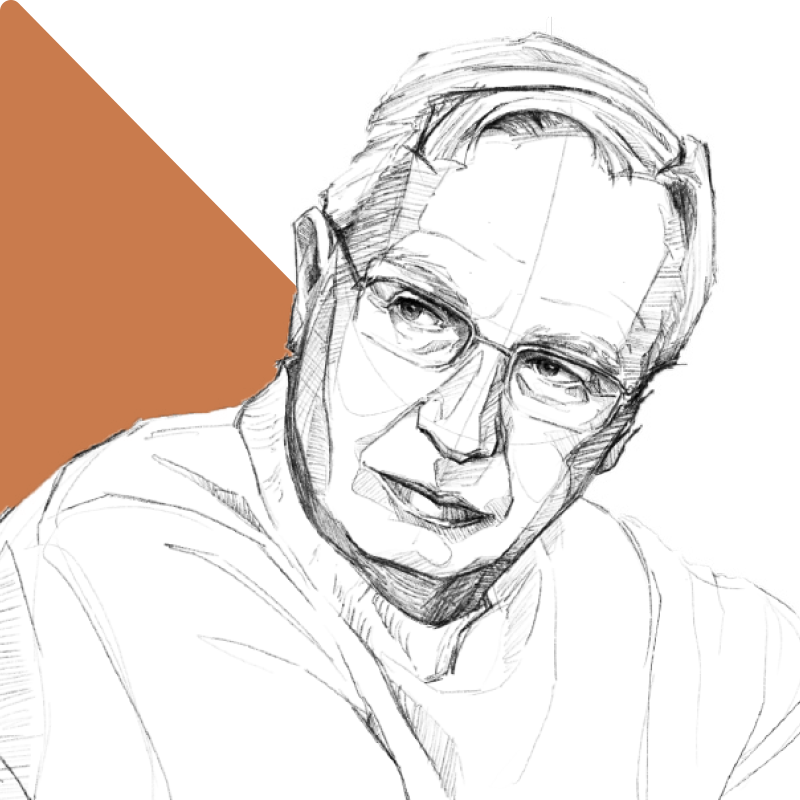
Eva Nogales
Molecular and Cellular Biology
Shaw Prize in Life Science and Medicine 2023
University of California Berkeley
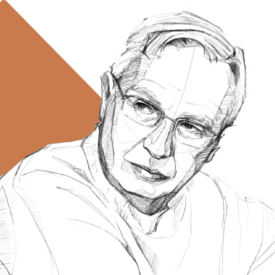
Jean-Marie Lehn
Supramolecular Chemistry
Nobel Laureate in Chemistry 1987
Université de Strasbourg
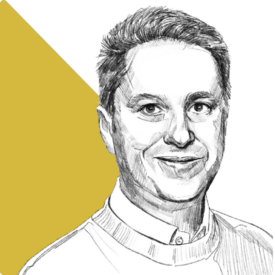
Juan Ignacio Cirac
Quantum Physics
Prince of Asturias Award 2006
Max-Planck-Institut Für Quantenoptik, Deutchland
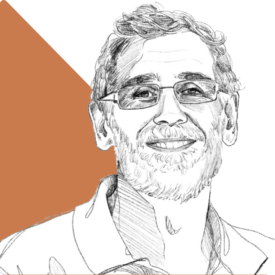
Juan José Gómez Cadenas
Particle Physics
Breakthrough Prize in Fundamental Physics 2016
Ikerbasque, DIPC
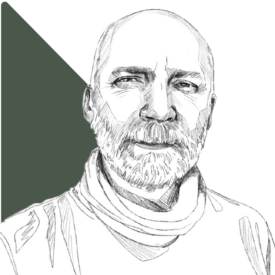
Marcus du Sautoy
Mathematics
Royal Society’s Faraday Prize 2009
University of Oxford
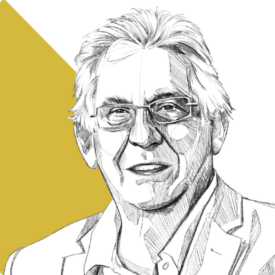
Pedro Miguel Etxenike
Condensed Matter Physics
Prince of Asturias Award 1998
DIPC, Euskal Herriko Unibertsitatea (EHU)
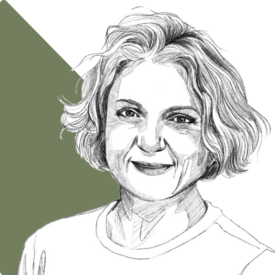
Sandra Myrna Díaz
Biodiversity and Climate Change
Princess of Asturias Award 2019
National University of Córdoba
Siri Hustvedt
Literature and Neuroscience
Princess of Asturias Award 2019
Weill Cornell Medical College
Wolfgang Ketterle
Quantum Physics
Nobel Laureate in Physics 2001
Massachusetts Institute of Technology (MIT)
- Plenary lecturesWhen the cell’s virtuous cycle breaks. New insights into cancer, new therapeutic milestones
The decoder of the mechanisms that protect us from cancer
Ana Zubiaga is a geneticist whose research investigates how cells decide when to divide, differentiate or die, and how failures in those decisions can lead to cancer. Her work focuses on the E2F family of transcription factors, proteins that regulate the activity of genes involved in cell proliferation and the duplication of DNA.
Zubiaga and her team have shown that E2F proteins do more than activate cell division. They also act as guardians of genome stability, helping cells avoid excessive replication stress when DNA is copied. When this protective system is disrupted, cells accumulate damage and become more vulnerable to malignant transformation.
This research has revealed a potential therapeutic opportunity. Cancer cells already experience high levels of replication stress, so selectively increasing that pressure may push them beyond their capacity to survive while leaving healthy cells less affected. More recently, her group has identified a previously unrecognised role for E2Fs in shaping the tumour immune microenvironment and helping cancer cells evade immune attack. These findings may support future treatments that combine direct targeting of tumour cells with activation of anti-tumour immunity.
Career and recognitions
Zubiaga studied Biology and completed her PhD at the University of the Basque Country (EHU). After postdoctoral training at Tufts University and Harvard University in the United States, she returned to EHU and established her research group at the Faculty of Science and Technology, where she combines research with undergraduate and postgraduate teaching in Genetics.
She coordinates the EHU Cancer Research Network, which participates in the European ENLIGHT Cancer Network, and has served three terms as programme manager at the Spanish State Research Agency. A member of Jakiunde, the Basque Academy of Sciences, Arts and Letters since 2018, she has served as its President since 2024. Her work has been recognised with the Cadena SER-Radio Bilbao Award for Excellence in Research, the Elhuyar-CAF Award and an Honourable Mention in Biology from the Academy of Medical Sciences of Bilbao.
- Encounters with Students in DonostiaEncounters in Donostia
- Plenary lecturesThe world of atoms at the attosecond time scale
The first to film the dance of electrons
Anne L’Huillier was awarded the 2023 Nobel Prize in Physics, jointly with Pierre Agostini and Ferenc Krausz, for the development of experimental methods that generate attosecond pulses of light to study the dynamics of electrons in matter. This French-Swedish physicist is one of the founders of attosecond science, a field that makes it possible to observe the motion of electrons inside atoms and molecules. An attosecond (10⁻¹⁸ seconds) is an almost unimaginably short interval of time: one billionth of a billionth of a second. By creating flashes of light on this scale, scientists can follow processes that were previously too fast to be measured.
Her research focuses on high-order harmonic generation in gases. When intense laser light interacts with atoms, it can produce a series of very high frequencies that can be combined into extremely short pulses. L’Huillier helped explain this phenomenon and turn it into a reliable experimental method, opening a new window onto the dynamics of matter.
These tools allow researchers to investigate how electrons move, how chemical bonds begin to change and how electronic processes influence the behaviour of materials. Attosecond physics is therefore important not only for fundamental science, but also for future developments in electronics, photonics, chemistry and the control of quantum systems.
Career and recognitions
L’Huillier began her career at the Commissariat à l’Énergie Atomique in Saclay, France, first as a doctoral student and later as a permanent researcher. She completed her PhD in 1986 and carried out postdoctoral work at Chalmers University of Technology in Gothenburg and at the University of Southern California. She was also a visiting scientist at Lawrence Livermore National Laboratory.
In 1995 she moved to Lund University in Sweden, where she became a full professor in 1997 and established an internationally recognised research group. The 2023 Nobel Prize in Physics, which she received jointly with Pierre Agostini and Ferenc Krausz, recognized this body of research, which transformed an abstract timescale into a practical tool for observing the microscopic world.
- Encounters with Students in DonostiaEncounters in Donostia
- Plenary lecturesThe Universe from beginning to end
The supernova hunter who detected the accelerating universe
Brian Schmidt is Distinguished Professor of Astronomy at the Australian National University and 2011 Nobel Prize in Physics, with Adam Riess and Saul Perlmutter, for the discovery of the accelerating universe. As leader of the High-Z Supernova Search Team, he helped discover that the expansion of the universe is accelerating instead of slowing down under the effect of gravity, as expected.
The discovery was made by studying distant Type Ia supernovae, stellar explosions whose brightness can be used to estimate cosmic distances. By comparing how bright these explosions appeared with how quickly their host galaxies were moving away, Schmidt and his colleagues found evidence that the expansion of space has accelerated over billions of years.
This unexpected result led to the modern concept of dark energy, the name given to the still poorly understood component that appears to drive cosmic acceleration. It reshaped cosmology and raised new questions about the origin, composition and ultimate future of the universe. Schmidt has also worked on gamma-ray bursts, gravitational-wave transients, exoplanets, metal-poor stars and other major areas of observational astronomy.
Career and recognitions
Born and raised in Montana and Alaska, Schmidt completed degrees in astronomy and physics at the University of Arizona in 1989. He received a master’s degree in astronomy in 1992 and a PhD from Harvard University in 1993. After a fellowship at the Harvard-Smithsonian Center for Astrophysics, he joined the Australian National University in 1995, where he is Distinguished Professor of Astronomy.
For the discovery of the accelerating universe, he shared the 2011 Nobel Prize in Physics with Adam Riess and Saul Perlmutter. His other distinctions include the Shaw Prize in Astronomy, the Gruber Prize in Cosmology and the Breakthrough Prize in Fundamental Physics, shared with colleagues from the High-Z team. From 2016 to 2023 he served as Vice-Chancellor and President of the Australian National University, combining scientific research with institutional leadership.
- Plenary lecturesIs sovereign Artificial Intelligence possible?
The scientist who teaches machines to understand human language
Eneko Agirre is a computer scientist whose research focuses on natural language processing, the branch of artificial intelligence that enables machines to analyse and generate human language. His work examines how computers can identify meaning, distinguish between different senses of a word and connect language with the knowledge and context needed for real understanding.
Human language is full of ambiguity. The same word can express different ideas depending on the sentence, while the same idea can be expressed in many different ways. Agirre has developed methods for lexical semantics, word-sense disambiguation and semantic representation that help computational systems move beyond surface-level matching and interpret what speakers and writers intend.
His research also contributes to language technologies for minority and lower-resourced languages, including Basque. By combining linguistic knowledge, large-scale data and machine-learning methods, his work supports applications such as search engines, translation, question answering and conversational artificial intelligence. It also helps evaluate whether language models are learning meaningful relationships or merely reproducing statistical patterns.
Career and recognitions
Agirre is Full Professor of Informatics at the University of the Basque Country (EHU) and Head of the HiTZ Basque Center for Language Technology in San Sebastián. He has been a visiting researcher or professor at New Mexico State University, the University of Melbourne, the University of Southern California, Stanford University, New York University and the University of Edinburgh.
He is a Fellow of the Association for Computational Linguistics (ACL) and a member of Jakiunde, the Basque Academy of Sciences, Arts and Letters. He has served as President of ACL’s SIGLEX, co-founded the Joint Conference on Lexical and Computational Semantics and worked on the editorial boards of leading journals. He received the SCIE-BBVA Foundation National Computer Science Award in 2021, three Google Research Awards and six best-paper awards or nominations, most recently at ACL 2024. Doctoral theses completed under his supervision have also received major European and Spanish awards.
- Plenary lecturesStructural Biology: How Basic Research Transforms Medical Practice
- Encounters with Students in BIlbaoEncounters in Bilbao
The photographer of cell division and gene expression
Eva Nogales is a physicist and structural biologist whose research allows scientists to see the molecular machines that organise and regulate living cells. Her laboratory uses cryo-electron microscopy, computational analysis, biochemistry, and biophysics to visualize large biological complexes in three dimensions and in different functional states in order to understand how they work.
One of her earliest major contributions was to determine the atomic structure of tubulin, the protein from which microtubules are built. Microtubules form part of the cellular skeleton, organise the inside of the cell, provide routes for molecular transport, and form the spindle that separates chromosomes during cell division. Understanding tubulin’s structure clarified how microtubules assemble and how medicines that alter their dynamics can act against diseases such as cancer.
Nogales’s research also examines the machinery that controls gene expression in eukaryotic cells. Her team has visualised large transcription complexes, including TFIID, RNA polymerase II and other factors required to begin the transcription of DNA. By comparing these structures in different configurations, researchers can move beyond static images and explain how genes are selected, activated and regulated.
Career and recognitions
Born in Colmenar Viejo, Madrid, Nogales studied Physics at the Autonomous University of Madrid and completed her doctorate at Keele University in the United Kingdom. She carried out postdoctoral research at Lawrence Berkeley National Laboratory with Kenneth Downing, specialising in electron microscopy and image analysis. In 1998 she joined the University of California, Berkeley, and since 2000 she has been an investigator of the Howard Hughes Medical Institute.
Nogales is a member of the National Academy of Sciences of the USA and the American Academy of Arts & Sciences, and foreign member of EMBO and of the Real Academia de Ciencias de España and the Royal Society of London. In 2023 she received the Shaw Prize in Life Science and Medicine for visualising at atomic resolution the protein machinery responsible for gene transcription. Her work has had broad impact on cell biology, genetics, cancer research and pharmacology.
- Plenary lecturesFrom a life in science: Interview with Jean-Marie Lehn
- PhD TrainingWorkshop: Scientific Discovery in the Era of AI
The father of supramolecular chemistry
Born in France, Jean Marie Lehn shared the Nobel Prize for Chemistry with Charles J. Pedersen and Donald J. Cram, for his studies on the chemical basis of ‘molecular recognition’ (i.e., the way in which molecules recognize and selectively bind to each other), which also plays a fundamental role in biological processes. Over the years his work led him to the definition of a new field of chemistry, for which he has proposed the term ‘supramolecular chemistry’ as it deals with the complex entities formed by the association of two or more chemical species held together by non-covalent intermolecular forces. Subsequently, the area developed into the chemistry of “self-organization” processes and more recently towards ‘adaptive chemistry’, dynamic networks and complex systems.
Lehn studied chemistry at the University of Strasbourg, earning his PhD in 1963 in the laboratory of Guy Ourisson. He then spent a year in Robert Burns Woodward’s laboratory at Harvard University, where he was part of the team working on the total synthesis of vitamin B12. He also took a course in quantum mechanics and began carrying out his first calculations with Roald Hoffmann. In 1964 he witnessed the first steps in what would later be known as the Woodward–Hoffmann rules.
Career and recognitions
In 1966 he became a lecturer at the University of Strasbourg and set up his own laboratory, where he focused his work on physical organic chemistry, putting the experience gained in organic chemistry, quantum theory and physical methods espacially NMR into practice. In 1970 he was appointed Professor of Organic Chemistry at the Louis Pasteur University of Strasbourg and from 1979 to 2010 he was Professor at the Collège de France in Paris. He is presently Professor at the University of Strasbourg Institute for Advanced Study (USIAS).
Author of over 1000 scientific publications, Lehn is a member of many academies and scientific institutions and has received, in addition to the Nobel Prize, many international awards, including the Humboldt Prize (1983), the Royal Society’s Davy Medal (1997) and the ISA Medal for Science (2006). He received the Order of Merit of the Federal Republic of Germany in 2009 and was named Grand Officer of the French Legion of Honour in 2014, among other accolades.
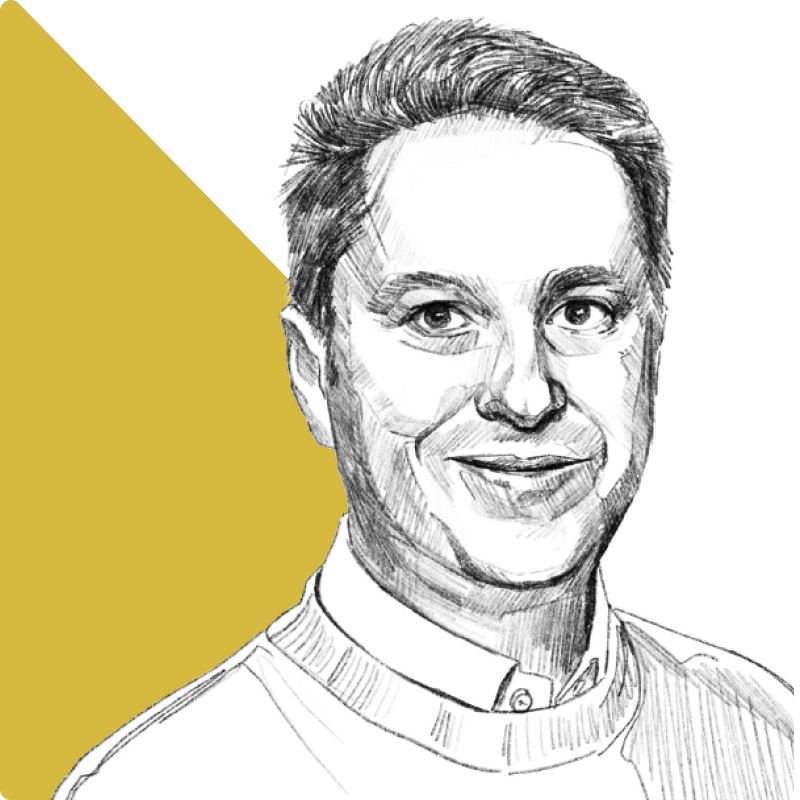
- Plenary lecturesQuantum Technologies: where we are and where we are going
One of the visionaries behind the quantum computer
Juan Ignacio Cirac is a physicist who has proposed some of the most important ideas for applying quantum physics to computing. He is one of the minds behind quantum computers. For the past 25 years he has been one of the directors of the Max Planck Institute of Quantum Optics and is a recipient of both the Prince of Asturias Award (2006) and the Wolf Prize (2013).
His research focuses on the quantum theory of information and quantum computing. Quantum computing has a different paradigm from current computing, which is based on bits and which processes information in only two states: zero and one (on or off). Quantum technology, on the other hand, works also by superimposing these states using ‘quantum bits’, also known as qubits. One key consequence of this is that certain problems which cannot be solved by a conventional computer would be feasible for a quantum one.
Career and recognitions
Ignacio Cirac earned a degree in physics from the Complutense University in Madrid in 1988 and a PhD in 1991. After lecturing at the Universities of Castilla-La Mancha (Spain) and Innsbruck (Austria), in 2001 he was appointed director of the Max Planck Institute of Quantum Optics (Garching, Germany) and is an honorary professor at the Technical University of Munich.
He is a Fellow of the Spanish Royal Academy of Sciences, as well as the German (Leopoldina), the Bavarian and the US-American one, a correspondent member of the Austrian, Zaragoza and Barcelona Academies of Science and a Fellow of the American Physical Society. He has won many awards for his work, including the Felix Kuschenitz Prize from the Austrian Academy of Sciences in 2001, the European Physical Society’s Quantum Electronics Prize in 2005, the Prince of Asturias Prize in 2006, the Blas Cabrera National Research Prize in 2007, the BBVA Foundation’s Frontiers of Knowledge Prize in 2009, the Franklin Medal in 2010, the Niels Bohr Medal in 2013, the Wolf Prize in 2013, the Hamburg Prize for Theoretical Physics in 2015, the German Physical Society’s Max Planck Medal in 2018, the John Stuart Bell Prize of University of Toronto, the Micius Foundation’s Quantum Computer Prize (China) in 2019, the 2024 Prize of the Royal Belgium Academy and the CSIC Medal of Excellence in 2025. He holds ten honorary degrees.
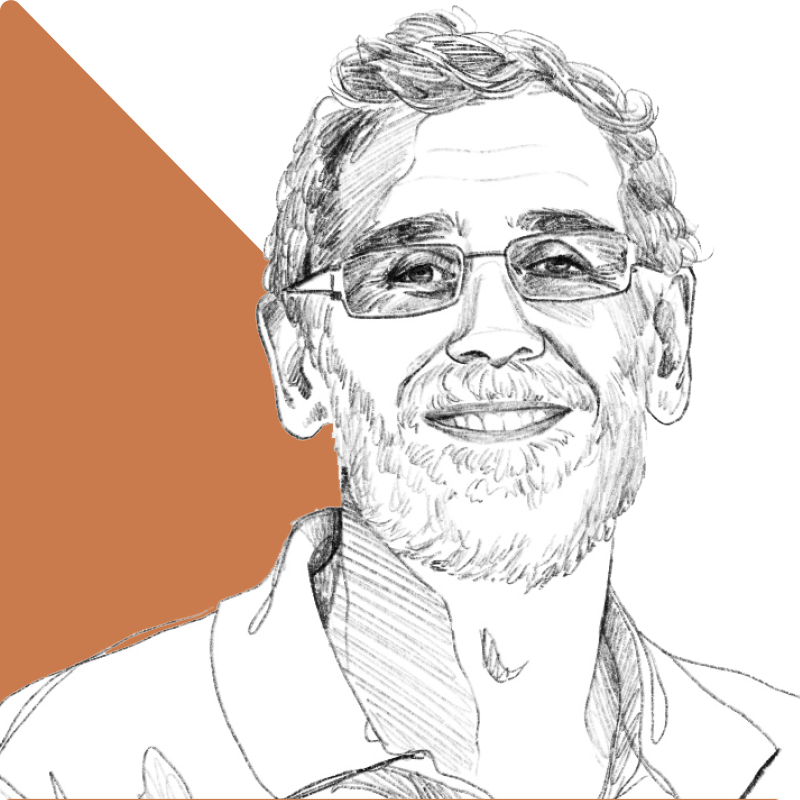
- Plenary lecturesWhat are unicorns for?
The scientist searching for neutrinos to understand the universe
Juan José Gómez Cadenas is an Ikerbasque Research Professor at the DIPC and director of the NEXT experiment at the Canfranc Underground Laboratory. His research focuses on particle and astroparticle physics, neutrino physics and nuclear instrumentation. His work explores some of the fundamental questions surrounding the nature of neutrinos and the laws that govern matter at the subatomic scale.
One of the main focuses of his research is the search for neutrinoless double-beta decay, a process whose observation would demonstrate that the neutrino is its own antiparticle and provide evidence of new physics beyond the Standard Model.
The NEXT project combines fundamental physics, advanced detection technologies and nuclear instrumentation. The experiment is designed to detect extremely weak signals and distinguish them from background radiation produced by natural radioactivity. To achieve this, it uses advanced xenon-based detection techniques designed to reach unprecedented sensitivity. Experiments of this kind make it possible to study the properties of neutrinos and explore questions related to the origin of the asymmetry between matter and antimatter in the universe.
Career and recognitions
Throughout his career, Gómez Cadenas has worked at international institutions including the Stanford Linear Accelerator Center, the Santa Cruz Institute for Particle Physics, CERN, the University of Massachusetts Amherst, Harvard University, the University of Geneva and KEK. He has also been a professor at the University of Valencia and a researcher at the Spanish National Research Council (CSIC).
In 2016, he received the Breakthrough Prize in Fundamental Physics as a member of the K2K and T2K collaborations. That same year, he was selected to join the Spanish Science Team, an initiative by QUO magazine and the CSIC recognizing outstanding Spanish scientists. He has also received two prestigious European Research Council (ERC) grants: an Advanced Grant and a Synergy Grant.
In addition to his scientific work, Gómez Cadenas has pursued a career as a writer and science communicator. He has published five novels, two popular science essays and a book of poetry. He also directs the science section of the online magazine Jot Down.
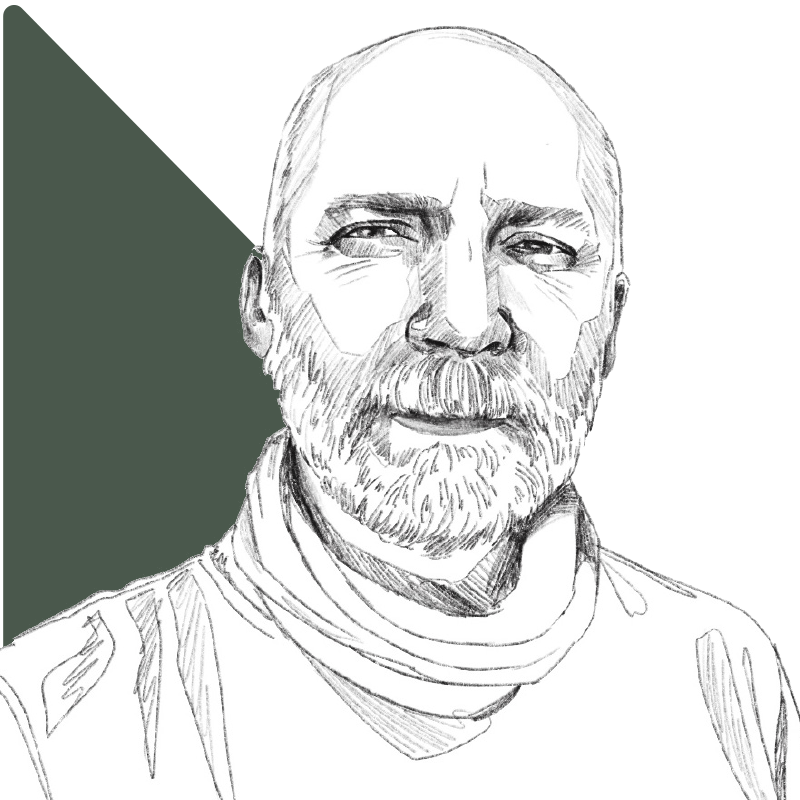
- Encounters with Students in BIlbaoEncounters in Bilbao
- Plenary lecturesBlueprints: how mathematics shapes creativity
The mathematician of art and creativity
Marcus du Sautoy is a British mathematician and science communicator who explores how mathematical ideas shape music, art, games, technology and human creativity. His work shows that mathematics is not simply a collection of rules and calculations, but a language for finding patterns, testing possibilities and understanding the structures hidden beneath everyday experience.
As Simonyi Professor for the Public Understanding of Science at the University of Oxford, du Sautoy has brought advanced mathematics to large audiences through books, television, radio, theatre and collaborations with artists. He is particularly interested in the frontier between human and machine creativity and in the question of whether artificial intelligence can produce work that is genuinely original.
His books include The Creativity Code, Better Thinking, Around the World in 80 Games and Blueprints: How Mathematics Shapes Creativity. Through examples drawn from literature, painting, performance and play, he explains how shortcuts, symmetry, uncertainty and formal systems influence the way people invent and solve problems. He also works with cultural organisations, from the Royal Opera House to the Glastonbury Festival, to make scientific ideas vivid and accessible.
Career and recognitions
Du Sautoy is Professor of Mathematics at the University of Oxford and a Fellow of New College. He has presented major BBC series including The Story of Maths and The Code, as well as programmes with comedians Alan Davies and Dara O’Briain. He has also written and performed the plays I is a Strange Loop and The Axiom of Choice, using theatre to investigate identity, free will and mathematical logic.
He was elected a Fellow of the Royal Society in 2016. In 2009 he received the Royal Society’s Faraday Prize, the United Kingdom’s leading award for excellence in communicating science, and in 2010 he was appointed an Officer of the Order of the British Empire for services to science. He has also advised the British government on the impact of artificial intelligence and regularly speaks about the opportunities and responsibilities created by emerging technologies.
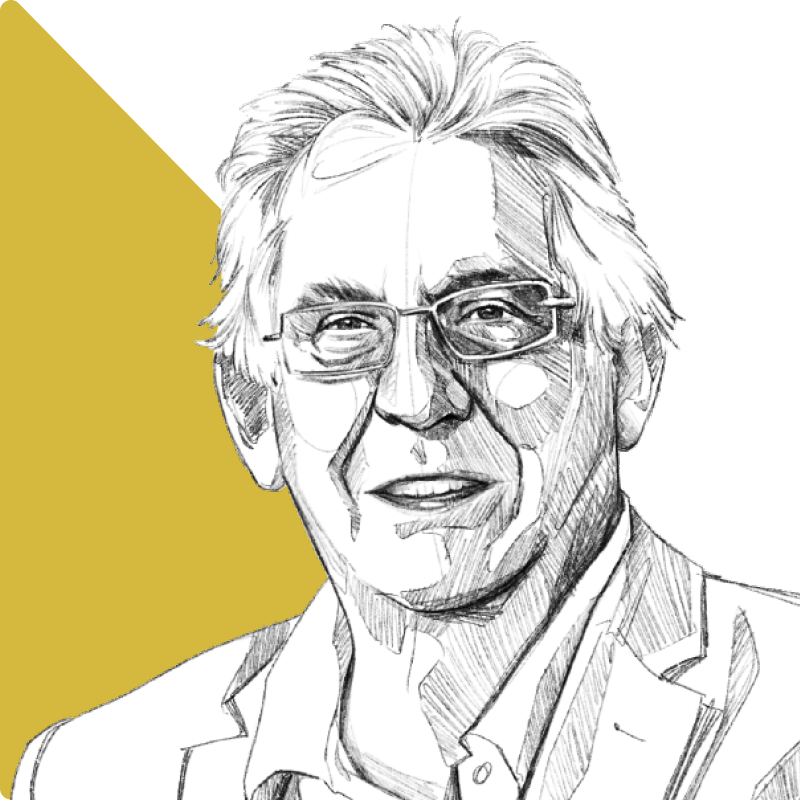
- Encounters with Students in BIlbaoEncounters in Bilbao
- Encounters with Students in DonostiaEncounters in Donostia
- Plenary lecturesFrom a life in science: Interview with Jean-Marie Lehn
The physicist who put science at the heart of a country
Pedro Miguel Etxenike is a physicist whose career combines research in condensed-matter physics with the creation of scientific institutions and a strong commitment to public service. His research focuses on how electrons and other particles behave in solids and at surfaces, contributing significantly to our understanding of the properties of materials at the microscopic level.
Over several decades, Etxenike has contributed to the international development of materials physics while helping to build a scientific ecosystem in the Basque Country. He sees science not only as a source of knowledge, but also as a driving force for cultural and social progress, capable of strengthening education, innovation and the long-term development of a country.
This vision is reflected in the institutions he helped create. He was involved in the founding of the Materials Physics Center and CIC nanoGUNE, and was the driving force behind the creation of Donostia International Physics Center, which opened in 2000. Since then, DIPC has become an internationally recognized center that brings together cutting-edge research, a diverse scientific community, training opportunities for new generations of researchers, and outreach activities that promote public engagement with science.
Career and recognitions
Born in Isaba, Navarre, Etxenike graduated in Physical Sciences from the University of Navarre in 1972. He obtained PhDs from the University of Cambridge and the Autonomous University of Barcelona, and later was awarded the title of Doctor of Science by the University of Cambridge. He has supervised 27 doctoral theses, published more than four hundred scientific papers, and delivered invited lectures at institutions and conferences across Europe, the Americas and Japan. He is Emeritus Professor at the University of the Basque Country (EHU).
He served as Minister of Education in the first Basque Government and later as Minister of Education and Culture and government spokesperson. From these positions, he promoted research, science and technology, and helped advance the Law for the Normalisation of the Use of the Basque Language. His honours include the Prince of Asturias Award for Scientific and Technical Research and the Max Planck Physics Prize, as well as the Euskadi Prize for Science and the Blas Cabrera National Research Award. He is an honorary member of the European Physical Society, was the founding president of Jakiunde and remains its Honorary President. He has also received six honorary doctorates.
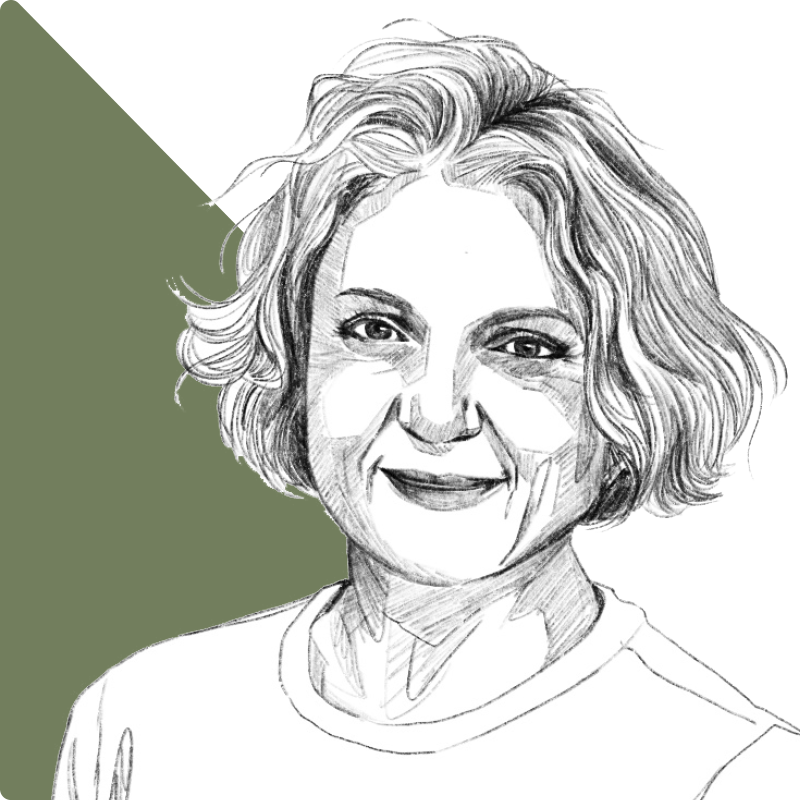
- Plenary lecturesLong-lived trees connect genes, minds and people
- PhD TrainingWorkshop: Scientific Discovery in the Era of AI
The defender of the “web of life” in the face of the climate crisis.
Sandra Díaz is an Argentine biologist and one of the world’s leading specialists in ecology and biodiversity. Her research addresses a crucial but sometimes overlooked aspect of the environmental crisis: the way climate change, land use and other global pressures transform the plant communities on which entire ecosystems depend.
Plants sustain the web of life. They provide food, shelter, regulate water and climate, store carbon and create the conditions in which animals, including humans, can survive. Díaz has shown that understanding biodiversity requires more than counting species. It is also necessary to study their functional traits: the characteristics that determine how organisms grow, reproduce, use resources and influence their environment.
She developed the first global quantitative picture of the essential functional diversity of vascular plants, known as the global spectrum of plant form and function. Her work has shaped the theory and practical use of functional diversity and helped explain how changes in plant communities affect ecosystem properties and human quality of life. She has also promoted plural approaches to the ways different societies value nature, including the influential concept of nature’s contributions to people.
Career and recognitions
Díaz studied Biology at the National University of Córdoba, where she graduated in 1984 and completed her PhD in 1989. She is Professor of Ecology at the same university and a Senior Principal Investigator of Argentina’s National Scientific and Technical Research Council. She co-founded TRY, the global communal plant-trait initiative, and co-chaired the Global Assessment of the Intergovernmental Science-Policy Platform on Biodiversity and Ecosystem Services. She also contributed to the work of the Intergovernmental Panel on Climate Change, which was jointly awarded the Nobel Peace Prize in 2007.
Her distinctions include the Margalef Prize in Ecology, the Gunnerus Sustainability Award, the Princess of Asturias Award for Technical and Scientific Research, the BBVA Foundation Frontiers of Knowledge Award and the 2025 Tyler Prize for Environmental Achievement. She is a Fellow of the Royal Society and a member of several national academies. Her international scientific work has made her a clear and influential voice in the defence of biodiversity and in the search for fairer ways of responding to environmental change.
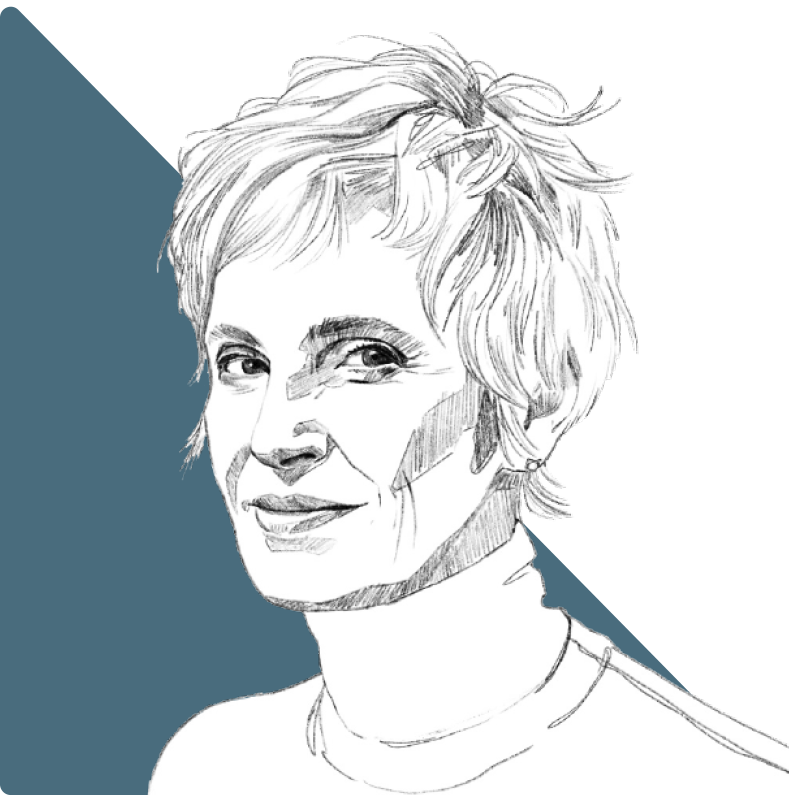
- Plenary lecturesScience, Fiction, and Science Fiction: Making Distinctions in the Information Age
The voice of the dialogue between literature and neuroscience
Siri Hustvedt is an American novelist, essayist and scholar whose work moves between literature, visual art, philosophy, psychoanalysis, neuroscience and psychiatry. Across fiction and nonfiction, she examines how memory, imagination, emotion and the body shape personal identity and the stories people tell about themselves.
Her interdisciplinary approach challenges rigid divisions between the sciences and the humanities. Hustvedt has written extensively about the mind-body problem, neurological symptoms, perception, creativity and the ways cultural assumptions influence scientific theories. Rather than treating subjective experience as separate from biological life, she explores how language, history, relationships and physiology continually interact.
Her novels include ‘The Blindfold’, ‘What I Loved’, ‘The Summer Without Men’, ‘The Blazing World’ and ‘Memories of the Future’. Her nonfiction includes ‘The Shaking Woman’ or ‘A History of My Nerves’ and several essay collections on art, gender, cognition and psychoanalysis. ‘Ghost Stories’, published in 2026, continues her investigation of memory, presence and the unstable boundary between what is experienced and what can be explained.
Career and recognitions
Hustvedt received her PhD in English Literature from Columbia University and is a lecturer in psychiatry at Weill Cornell Medical College in New York. She has spoken at scientific and academic conferences on philosophy, neuroscience, neurology, psychiatry and literature, and has published articles in both scholarly and scientific journals. Her books have been translated into more than thirty languages.
‘The Blazing World’ was longlisted for the Man Booker Prize and won the 2014 Los Angeles Times Book Prize for Fiction. Her distinctions also include the International Gabarron Prize for Thought and Humanities, the European Essay Prize, an American Academy of Arts and Letters Award in Literature, the Sigourney Award for Psychoanalysis and the 2019 Princess of Asturias Award for Literature, which recognised the breadth and intellectual ambition of her work.
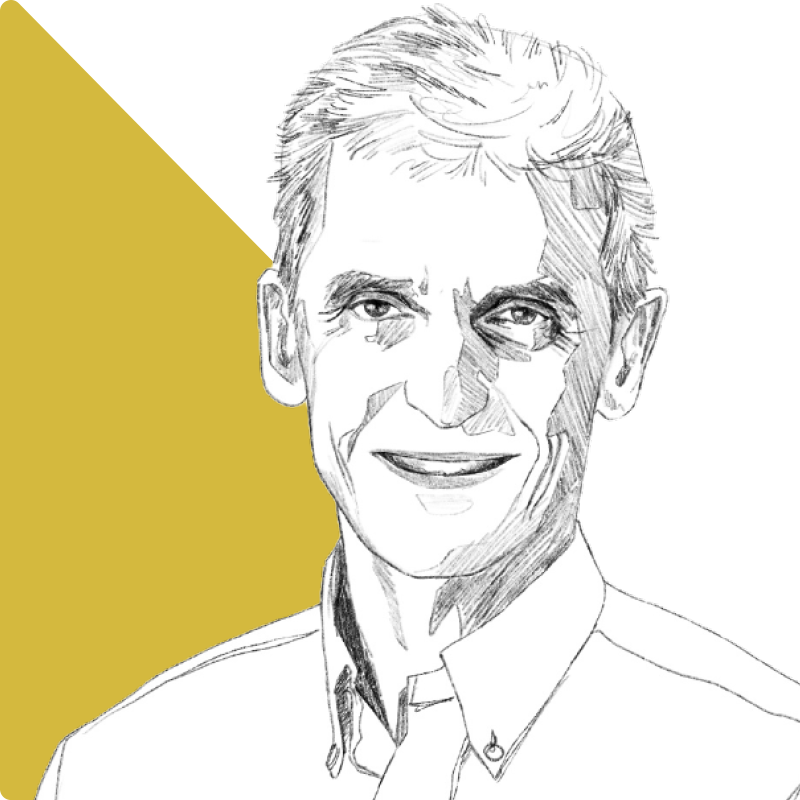
- Plenary lecturesExploring the Quantum World with Ultracold Atoms
- Plenary lecturesExploring the Quantum World with Ultracold Atoms
The creator of new states of matter at ultracold temperatures
Wolfgang Ketterle is a German physicist whose experiments have created and explored forms of matter that appear only at temperatures extremely close to absolute zero. At such low temperatures, atoms lose much of their ordinary individual behaviour and begin to act collectively according to the laws of quantum mechanics.
Ketterle is best known for his work on Bose-Einstein condensation, a state of matter predicted in the 1920s but not observed in a dilute atomic gas until 1995. In a condensate, a large number of atoms occupy the same quantum state and behave like a single coherent wave. This makes it possible to study quantum phenomena on a scale that can be controlled directly in the laboratory.
His group also achieved the first realisation of an atom laser in 1997, producing a coherent beam of atoms in a way analogous to the coherent beam of light produced by an optical laser. His research continues to investigate superfluidity, coherence, correlations and strongly interacting many-body systems, providing new ways to test fundamental theories and simulate complex quantum materials.
Career and recognitions
Ketterle received his diploma from the Technical University of Munich in 1982 and completed his PhD in Physics at the University of Munich in 1986. He carried out postdoctoral research at the Max Planck Institute for Quantum Optics and the University of Heidelberg before moving to the Massachusetts Institute of Technology in 1990. He joined the MIT faculty in 1993 and has been the John D. MacArthur Professor of Physics since 1998.
He shared the 2001 Nobel Prize in Physics with Eric A. Cornell and Carl E. Wieman for the achievement of Bose-Einstein condensation and early fundamental studies of condensates. His other honours include the Rabi Prize, the Gustav Hertz Prize, the Fritz London Memorial Prize, the Benjamin Franklin Medal, the MIT Killian Award and a Humboldt Research Award. He is a member of several academies of sciences and has received a number of honorary degrees.