

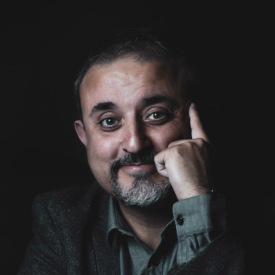
Antonio Martínez Ron
Science Journalist and Writer
Ondas award and the Concha García Campoy Award
Founder of the Naukas plataform
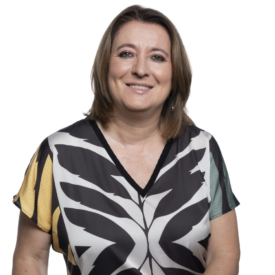
Eva Caballero
Science journalist and communicator
Director, Radio Euskadi / EITB
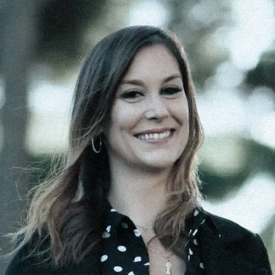
Gemma del Caño
Science communicator specialising in food, food safety and food quality.
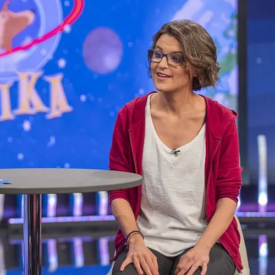
Helena González
Biologist, researcher and science communicator
Screenwriter / RTVE
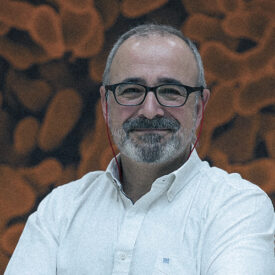
Ignacio López Goñi
Microbiologist and science communicator
Director of the Museum of Sciences / University of Navarra
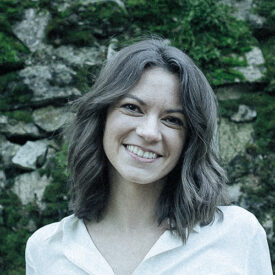
Isabel Moreno
Physicist, meteorologist and communicator
TVE and RNE presenter
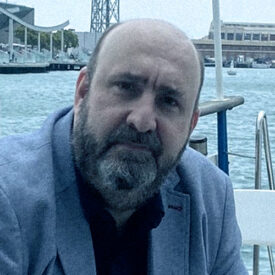
Javier Peláez
Presenter
Naukas.com / RTVE
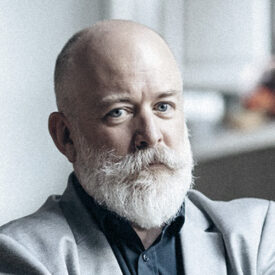
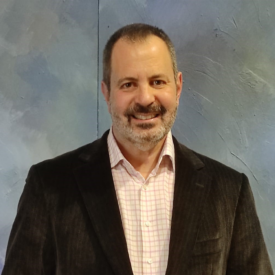
Joaquín Sevilla
Physicist and science communicator
Public University of Navarra
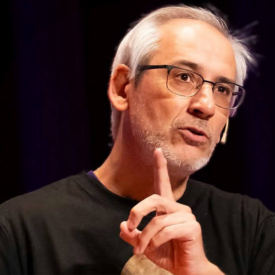
José Miguel Viñas
Physicist and meteorologist
Meteored
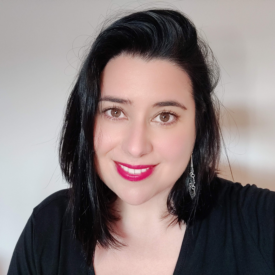
Juan Carlos Gil
PhD in Physical Chemistry and Space Systems Expert
Complutense University of Madrid
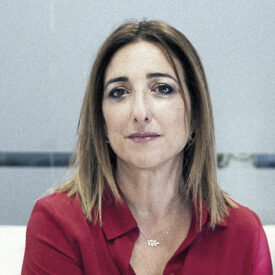
Laura Morán
Psychologist and sexologist
University of Deusto
Marga Sánchez Romero
Senior lecturer in the Department of Prehistory and Archaeology, a communicator, and Vicerector for Outreach, Hertiage and Institutional Relations.
University of Granada
Oskar González
Doctor in Chemistry and science and art communicator
Proffesor at the Faculty of Fine Arts of the University of the Basque Country
- Naukas PassionTouching darkness
Science journalist and writer. He has worked for some of the leading Spanish-language press, radio and television outlets and has received some of the profession’s most prestigious distinctions, including the Ondas Award and the Concha García Campoy Award. He is one of the founders of the Naukas platform and the successful podcast Catástrofe Ultravioleta, as well as the author of several books, including Algo nuevo en los cielos and El ojo desnudo.
- Naukas PassionLove without borders
Eva Caballero is a journalist specialising in science communication and the director of the Radio Euskadi programme La Mecánica del Caracol, produced by EITB Media. In 2022, the programme received the Concha García Campoy Science Journalism Award in the radio category. Caballero also received the 2021 Basque Journalism Award in the environmental journalism category, the Personalised and Precision Medicine Journalism Award in 2020 and the 2013 Tecnalia Journalism, Research and Technological Innovation Award in the radio category.
- Naukas PassionWhat does red taste like?
Graduated in Pharmacy with a specialisation in R&D+i and Industry. Master’s in Biotechnology, Innovation and Food Security. She has been working for 10 years in the food industry, both in the quality department, as R&D+i director, and currently as technical director. She is an associate professor on the Nutrition and Dietetics degree course at the Miguel de Cervantes European University in the subjects of Food Legislation and Food Policy. Her communication activities include:
– Blog collaborator with Atresmedia and Revista Mía
– Radio Nacional de España (food and food security segment on the ‘A media mañana’ programme).
– Collaboration on the CyL 8 TV programme ‘Vamos a ver’ and on MeteoRed
– Author of a blog at: farmagemma.naukas.com and the book No comemos como antes, y menos mal (We don´t eat like before, and just as well).
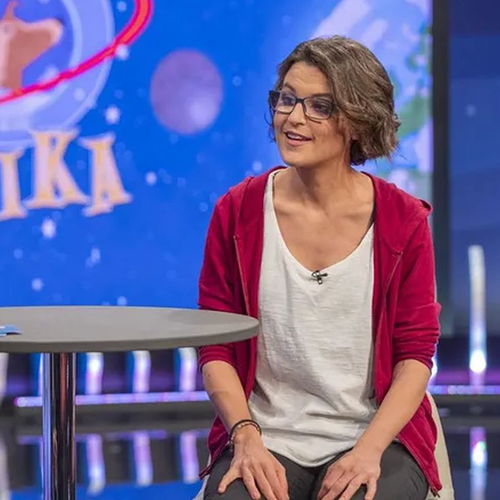
- Naukas PassionThey breathe
A Spanish researcher with degrees in Biology and Biochemistry and a PhD in Biomedicine, specialising in the molecular mechanisms of DNA repair and cancer epigenetics. She considers science communication an essential part of her professional development, helping to raise the visibility of science and its role in society. She co-founded Big Van Ciencia in 2013, where she serves as Head of Science Education, and is the author of several books. She is also a scriptwriter for the RTVE programme Órbita Laika.
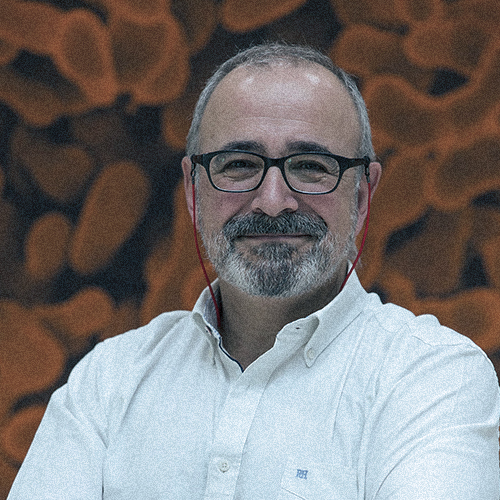
- Naukas PassionNeither Pangolin nor Pangolán
He has a PhD in Biology, is Professor of Microbiology and Director of the Science Museum of the University of Navarre. His research has focused on the study of bacterial virulence and the development of new vaccines. He is the author of the “microBIO” blog. He has published several dissemination books: “¿Funcionan las vacunas?” (Premio Prismas 2018), “Microbiota, los microbios de tu organismo”, “Virus y pandemias”, and “Preparados para la próxima pandemia”. In collaboration with his daughter, he has also written “Princesas de cristal” dealing with the problem of juvenile anorexia. In 2021 he received the Lilly Foundation Prize for the Dissemination of Science, the COSCE Prize for the Dissemination of Science, and the CSIC-BBVA Foundation Prize for Scientific Communication. In 2023 he received the Spanish Award for Science Communication.
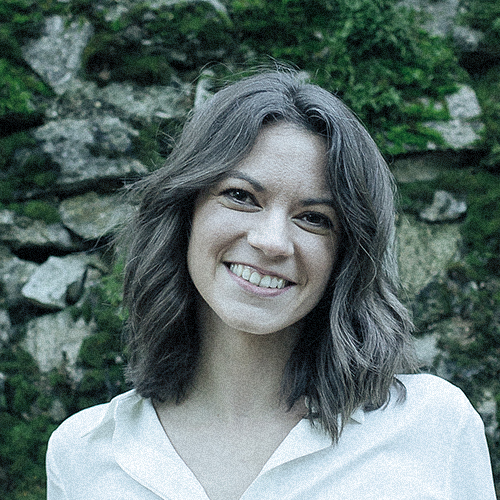
- Naukas PassionHow much disaster can a child cause?
Isabel Moreno-Muñoz. She is a Physics graduate, has a Master’s in Meteorology and Geophysics (UCM-Complutense University of Madrid) and is a specialist in communicating climate change. She is the author of the book “Cambio Climático para Principiantes”, published by Penguin Random House. Since 2016, she has been working in different media as a meteorologist and weather presenter, in particular the RTVE programme “Aquí la Tierra”. What is more, she has been combining this work with training and dissemination relating to climate change; she is a speaker on UNED (Open University) courses, giving lectures at major conferences and seminars, as well as collaborating with various television programmes, radio, written press and other network formats.
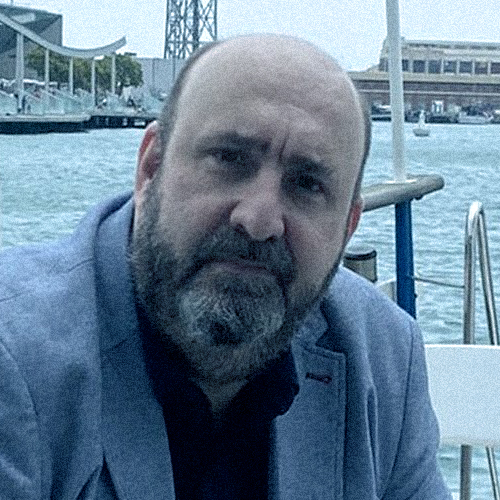
Javier Peláez (Puertollano, Spain, 1974) is a writer and science communicator. Author of “500 años de frío. La gran aventura del Ártico” (Crítica, 2019) and “Planeta Océano” (Crítica, 2022). He is one of the founders of the Naukas.com platform and a scriptwriter for the RTVE programme “El Cazador de Cerebros”. He won the National Ondas Radio Award for the “Catástrofe Ultravioleta” podcast.
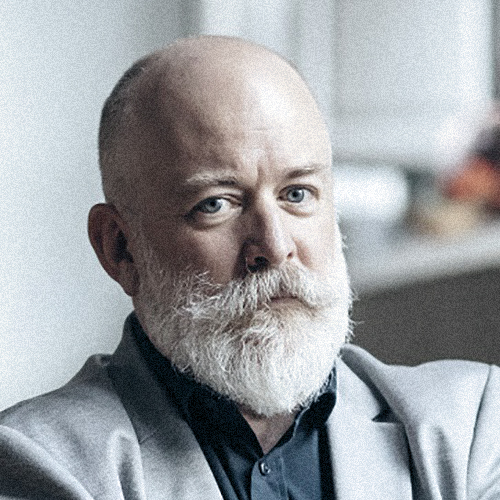
- Naukas PassionThat nice cold beer
Joaquín Sevilla, PhD in physics, is professor of electronic technology at the Public University of Navarre (UPNA). His current research focuses on the design of photonic structures for sensor and solar energy applications. He has also worked on technology geared towards people with disabilities. He directs the UPNA chair for the dissemination of scientific knowledge and culture, as well as the UPNA-UPV/EHU-University of the Basque Country Master’s Degree in Scientific Culture. Prior to that, he was Vice-Chancellor and Director of the G9 Shared Virtual Campus among other positions. Very active in science dissemination, he is a regular contributor to local radio and television stations, writes blogs and participates in YouTube videos. He has recently published “Los males de la ciencia” together with Juan Ignacio Pérez.
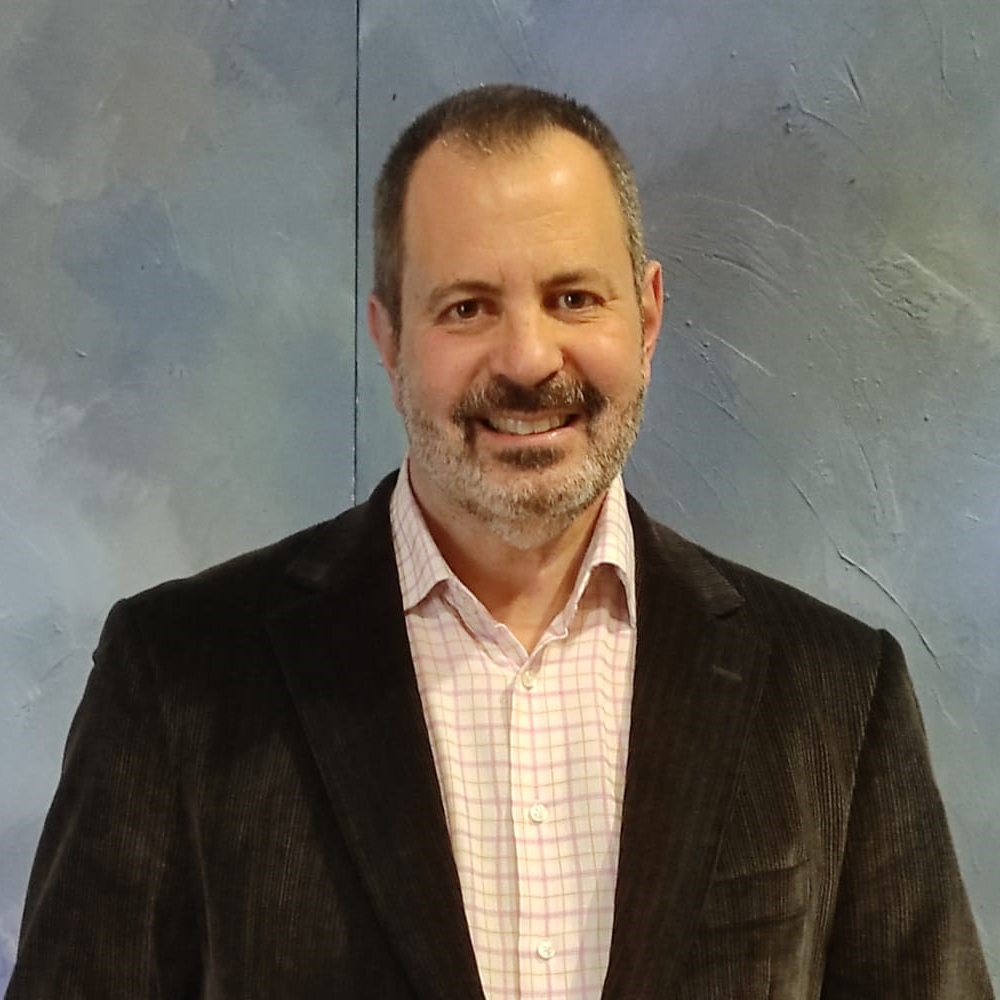
- Naukas PassionTales from a Meteorologist
Physicist and meteorologist at Meteored. He has a long career communicating atmospheric science through the media, as well as through his books, articles, lectures and website, divulgameteo.es. For the past twenty years, he has contributed to Radio Nacional alongside Pepa Fernández. Since 2020, he has also been the weather presenter for Agropopular, COPE’s agricultural news programme directed by César Lumbreras. On television, he appears in programmes such as La aventura del saber and Órbita Laika, both broadcast on TVE’s La 2. He is one of the founding members of ACOMET, the Association of Meteorology Communicators.
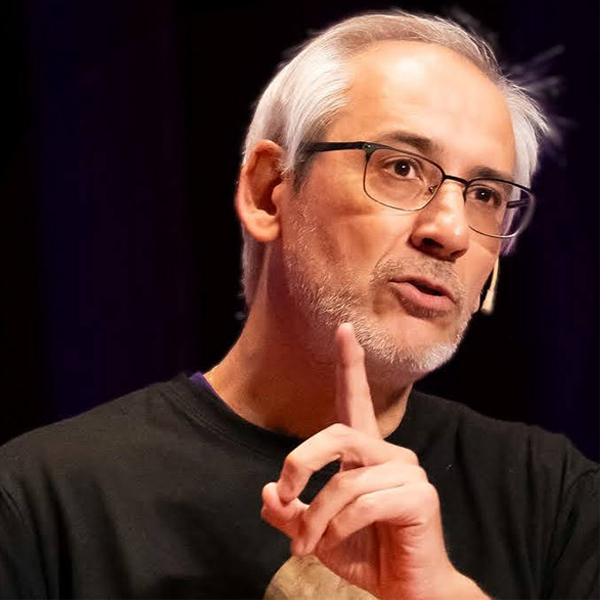
- Naukas PassionCatching a spy
He holds a PhD in Physical Chemistry from the Complutense University of Madrid and has worked in the space sector for more than thirty years. He has developed his career at GMV, where he currently promotes innovation in space systems in fields such as artificial intelligence and quantum communications.
An active science communicator under the byline Apuntes de ciencia, he collaborates with initiatives such as the podcast Coffee Break: Señal y Ruido and the organisations Naukas, Astróbriga, Ciencia con Tres enCantos and Iberozoa, contributing to society’s scientific culture and encouraging STEM careers.
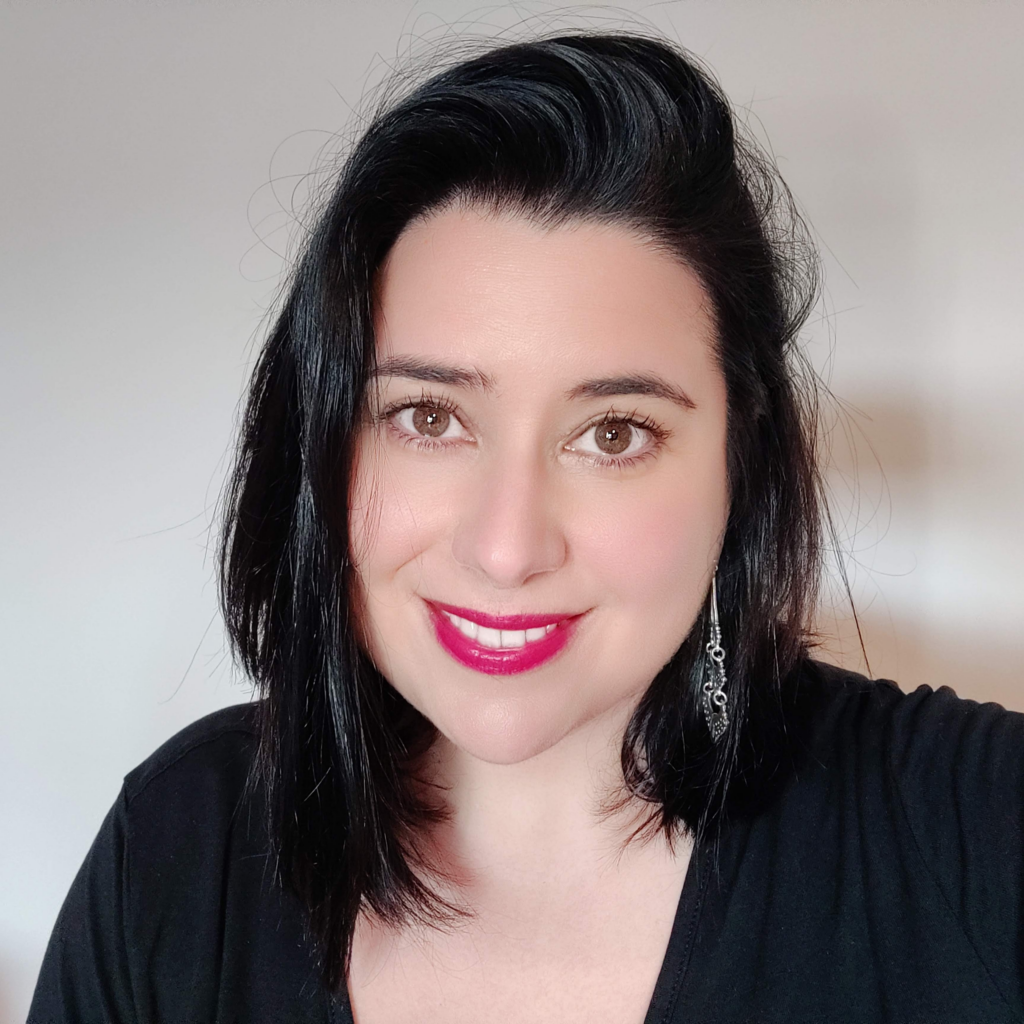
- Naukas PassionSexscientists: passion for sexual knowledge
Psychologist, family and couples therapist and sexologist. She graduated in Psychology from the University of Deusto and completed a master’s degree in Family and Couples Therapy at Comillas Pontifical University, as well as training in Speech and Language at Psikolan and La Salle University in Biscay. She has completed several sexology courses with the Sexpol Foundation in Madrid, Rey Juan Carlos University and the Biko Arloak Couples Institute. She has contributed to radio programmes such as Gente Despierta, television programmes such as Órbita Laika on RTVE and science communication events such as Naukas, Desgranando and Jot Down Ciencia. She is the author of Orgas(mitos), ¿Por qué (no) deseo? and the young adult book Iguales pero diferentes. Perfectamente imperfectas is her latest book, published by Destino in 2023.
- Naukas PassionPrehistoric puzzles and Mary Shelley
Margarita Sánchez Romero (Madrid, 1971) is a senior lecturer in the Department of Prehistory and Archaeology, a communicator, and Vice-Rector for Outreach, Heritage and Institutional Relations at the University of Granada. Her main interest as a researcher is to assert the importance of the role of women and childhood in prehistoric societies. With other colleagues, she created the project ‘Pastwomen’, which gives visibility to the research in archaeology and history linked to the material culture of women. She is regular collaborator on the programme ‘El condensador de fluzo’, broadcast on the La 2 channel of the Spanish Radio and Television Corporation (RTVE). She received the ‘Carmen de Burgos’ Feminist Dissemination Award from the University of Málaga and was also awarded the ‘Granada: City of Science and Innovation’ Award, in the Women in Science category. She is author of Prehistorias de mujeres (Prehistories of Women), published by Destino.
- Naukas PassionColour
He holds a PhD in Chemistry and is a professor at the Faculty of Fine Arts of the University of the Basque Country. The combination of these two disciplines sparked his interest in raising awareness of the connection between science and art. His science communication articles are regularly published in the #KimkArte section of the Cuaderno de Cultura Científica. He also contributes to publications such as Zientzia Kaiera and Principia magazine, as well as to the radio programmes Norteko Ferrokarrila and La Mecánica del Caracol. He is the author of Por qué los girasoles se marchitan: los elementos químicos en el arte.