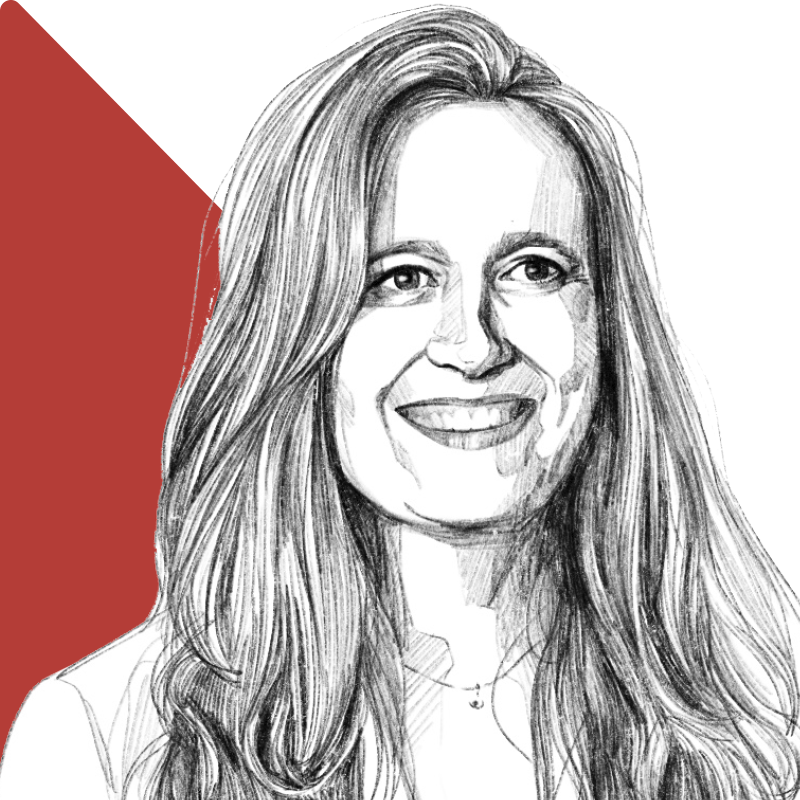
The detective of the origins of our species
Maria Martinón-Torres is a physician and palaeoanthropologist whose research reconstructs human evolution through fossil remains, especially teeth. Teeth are among the most durable parts of the skeleton and preserve anatomical details that can reveal relationships between populations, patterns of migration, diet, development and disease.
By comparing dental evidence from Europe, Asia and Africa, Martinón-Torres has helped refine scientific interpretations of the first human populations to reach Europe and of the diversity that existed among early hominins. Her work shows that human evolution was not a simple linear progression, but a complex history of dispersal, isolation, contact and adaptation.
She has contributed to research at major sites including Atapuerca in Spain and Dmanisi in Georgia, where some of the earliest hominin remains found outside Africa were discovered. Her scientific interests also include palaeopathology, biomechanics, childhood, palaeoneurology and palaeoproteomics. Together, these approaches allow fossil remains to be studied not only as anatomical specimens, but also as evidence of how ancient humans lived, developed and responded to illness and environmental pressure.
Career and recognitions
Born in Ourense, Martinón-Torres studied Medicine and Surgery at the University of Santiago de Compostela, where she received an extraordinary degree award and completed a doctorate on the evolution of the hominin dentition. She also trained in forensic anthropology at the Complutense University of Madrid and specialised in human evolution at the University of Bristol. She joined the Atapuerca Research Team in 1998 and has since taken on a leading role, serving as co-principal investigator since 2019 and as co-director of the Atapuerca excavations since 2025. From 2007 to 2015 she led the Dental Anthropology Group at the National Research Centre for Human Evolution, CENIEH. After working at University College London, where she became Professor of Palaeoanthropology, she returned to Spain and was appointed Director of CENIEH in 2017. She remains an Honorary Professor at UCL.
In 2019 she became the first Spanish recipient of the Royal Anthropological Institute’s Rivers Memorial Medal. She is also the author of ‘Homo imperfectus’, which examines disease, vulnerability and adaptation from an evolutionary perspective.