
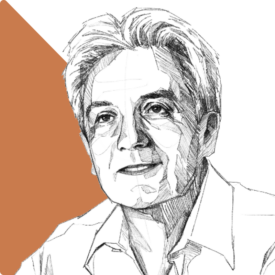
Albert Fert
Spintronics
2007 Nobel Prize in Physics
Université Paris-Saclay, EHU, DIPC
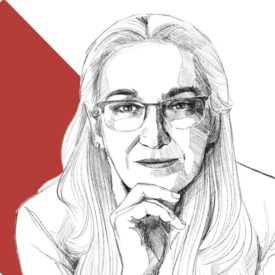
Eva Nogales
Molecular and Cellular Biology
Shaw Prize in Life Science and Medicine 2023
University of California Berkeley
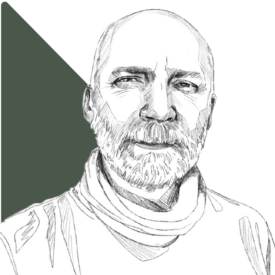
Marcus du Sautoy
Mathematics
Royal Society’s Faraday Prize 2009
University of Oxford
Pedro Miguel Etxenike
Condensed Matter Physics
Prince of Asturias Award 1998
DIPC, Euskal Herriko Unibertsitatea (EHU)
- Encounters with Students in BIlbaoEncounters in Bilbao
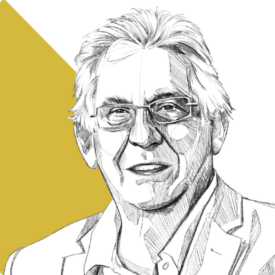
One of the fathers of spintronics
Albert Fert is a French physicist, 2007 Nobel Laureate in Physics. Today, he his Emeritus Professor and Scientific Director of Laboratoire Albert Fert at Université Paris-Saclay.
His field of research is Nanophysics, the quantum physics of materials at nanoscale. He is well-known as one of the pioneers of the development of Spintronics, a today important field of physics exploiting the spin of the electrons, at the interface between Magnetism and Electronics. Spintronics develops today along many axes, from spin-orbitronics to oxitronics, topological physics of the nanoparticles called skyrmions, neuromorphic and quantum computing, superconducting microwaves devices… Its applications are multiple.
The starting point of spintronic was the experimental demonstration (1965-66) by Fert and Campbell of the importance of the electron spin orientation on the electronic conduction in magnetic materials, as had been suggested by the theoretician and Nobel laureate Nevill Mott. It led to the discovery (1988) of the “Giant Magnetoresistance” of magnetic multilayers (GMR) by the groups of Fert in France and Grunberg in Germany.
The GMR, the very important drop of the electrical resistance of multilayers induced by a magnetic field, had rapidly many applications. In magnetic hard discs, reading by GMR led to a considerable increase in the information capacity of the disks and boosted the development of data centers and information technologies. Other applications, on the market since 2006, are the logic and memory nanocomponents which are called MRAM and are interesting for their low energy consumption.
Today, among the many branches of spintronics, on can cite the very active branch of neuromorphic spintronics based on the use of neuron end synapse nanocomponents in brain-like computing architectures. Examples of other very active fields are the development of microwave devices mixing spin and superconductivity and, also, the physics and applications of the topological nanoparticles called skyrmions. His current interest is for a new type of spintronics called quadritronics.
Path and recognition
Albert Fert was born in Carcassone (France). He obtained degrees in mathematics and physics from the École Normale Supérieure (Paris) and then, in 1970, received a PhD in physics from the Université Paris-Sud, where he became a professor in 1976.
He is currently an emeritus professor at Université Paris-Saclay. In 1995, he cofounded the Unité Mixte de Physique CNRS/Thales (today Albert Fert Laboratory), a joint laboratory of the Centre National de la Recherche Scientifique (CNRS) and Thales Group inside Université Paris-Saclay. He served as scientific director of the laboratory from the very beginning.
- Plenary lecturesStructural Biology: How Basic Research Transforms Medical Practice
- Encounters with Students in BIlbaoEncounters in Bilbao
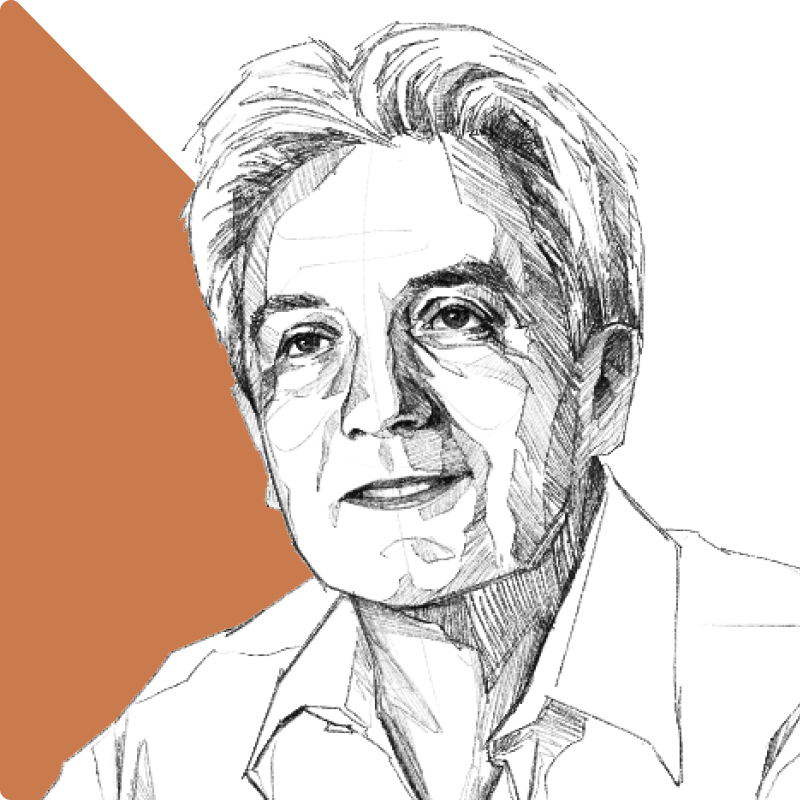
The photographer of cell division and gene expression
Eva Nogales is a physicist and structural biologist whose research allows scientists to see the molecular machines that organise and regulate living cells. Her laboratory uses cryo-electron microscopy, computational analysis, biochemistry, and biophysics to visualize large biological complexes in three dimensions and in different functional states in order to understand how they work.
One of her earliest major contributions was to determine the atomic structure of tubulin, the protein from which microtubules are built. Microtubules form part of the cellular skeleton, organise the inside of the cell, provide routes for molecular transport, and form the spindle that separates chromosomes during cell division. Understanding tubulin’s structure clarified how microtubules assemble and how medicines that alter their dynamics can act against diseases such as cancer.
Nogales’s research also examines the machinery that controls gene expression in eukaryotic cells. Her team has visualised large transcription complexes, including TFIID, RNA polymerase II and other factors required to begin the transcription of DNA. By comparing these structures in different configurations, researchers can move beyond static images and explain how genes are selected, activated and regulated.
Career and recognitions
Born in Colmenar Viejo, Madrid, Nogales studied Physics at the Autonomous University of Madrid and completed her doctorate at Keele University in the United Kingdom. She carried out postdoctoral research at Lawrence Berkeley National Laboratory with Kenneth Downing, specialising in electron microscopy and image analysis. In 1998 she joined the University of California, Berkeley, and since 2000 she has been an investigator of the Howard Hughes Medical Institute.
Nogales is a member of the National Academy of Sciences of the USA and the American Academy of Arts & Sciences, and foreign member of EMBO and of the Real Academia de Ciencias de España and the Royal Society of London. In 2023 she received the Shaw Prize in Life Science and Medicine for visualising at atomic resolution the protein machinery responsible for gene transcription. Her work has had broad impact on cell biology, genetics, cancer research and pharmacology.
- Encounters with Students in BIlbaoEncounters in Bilbao
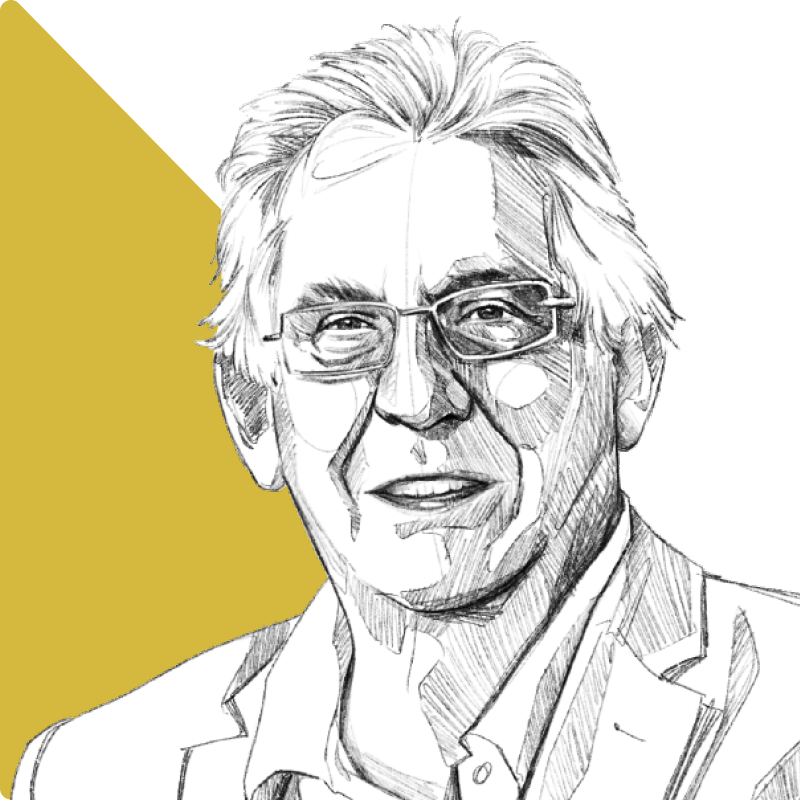
- Plenary lecturesMathematics
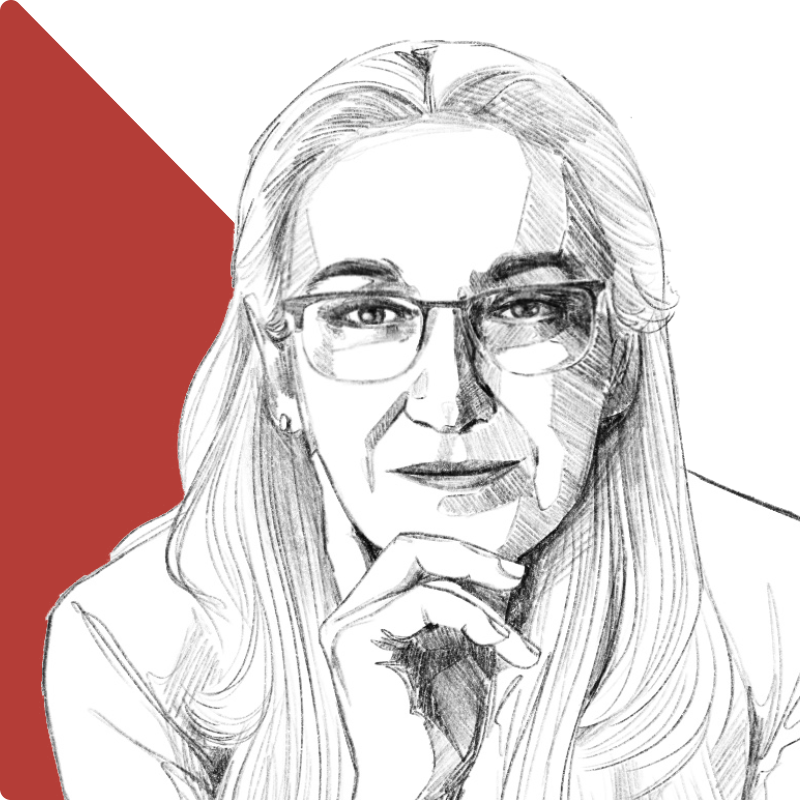
The mathematician of art and creativity
Marcus du Sautoy is a British mathematician and science communicator who explores how mathematical ideas shape music, art, games, technology and human creativity. His work shows that mathematics is not simply a collection of rules and calculations, but a language for finding patterns, testing possibilities and understanding the structures hidden beneath everyday experience.
As Simonyi Professor for the Public Understanding of Science at the University of Oxford, du Sautoy has brought advanced mathematics to large audiences through books, television, radio, theatre and collaborations with artists. He is particularly interested in the frontier between human and machine creativity and in the question of whether artificial intelligence can produce work that is genuinely original.
His books include The Creativity Code, Better Thinking, Around the World in 80 Games and Blueprints: How Mathematics Shapes Creativity. Through examples drawn from literature, painting, performance and play, he explains how shortcuts, symmetry, uncertainty and formal systems influence the way people invent and solve problems. He also works with cultural organisations, from the Royal Opera House to the Glastonbury Festival, to make scientific ideas vivid and accessible.
Career and recognitions
Du Sautoy is Professor of Mathematics at the University of Oxford and a Fellow of New College. He has presented major BBC series including The Story of Maths and The Code, as well as programmes with comedians Alan Davies and Dara O’Briain. He has also written and performed the plays I is a Strange Loop and The Axiom of Choice, using theatre to investigate identity, free will and mathematical logic.
He was elected a Fellow of the Royal Society in 2016. In 2009 he received the Royal Society’s Faraday Prize, the United Kingdom’s leading award for excellence in communicating science, and in 2010 he was appointed an Officer of the Order of the British Empire for services to science. He has also advised the British government on the impact of artificial intelligence and regularly speaks about the opportunities and responsibilities created by emerging technologies.
- Encounters with Students in BIlbaoEncounters in Bilbao
- Encounters with Students in DonostiaEncounters in Donostia
- Plenary lecturesFrom a life in science: Interview with Jean-Marie Lehn
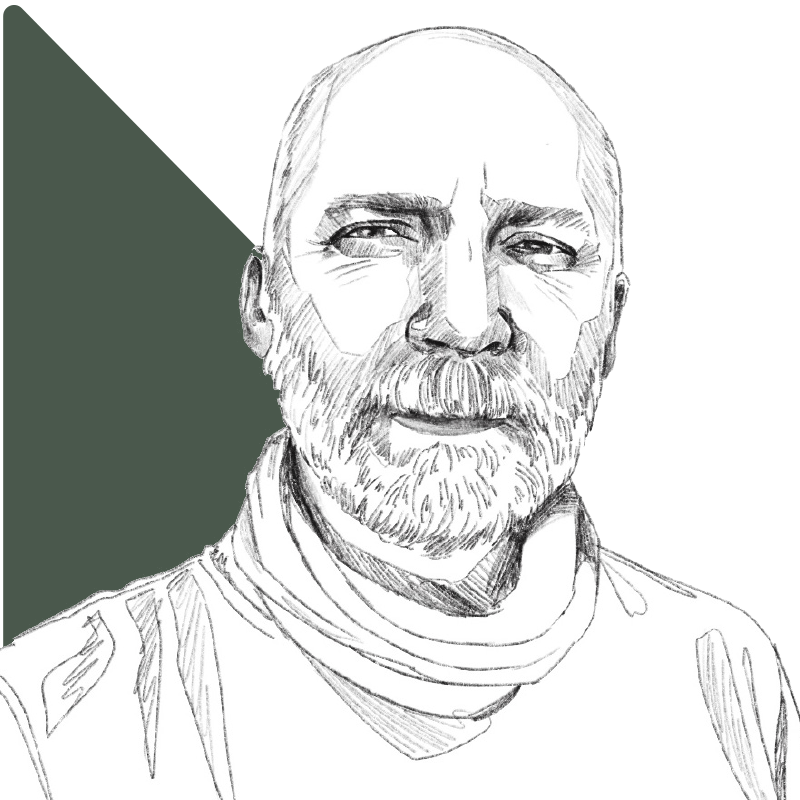
The physicist who put science at the heart of a country
Pedro Miguel Etxenike is a physicist whose career combines research in condensed-matter physics with the creation of scientific institutions and a strong commitment to public service. His research focuses on how electrons and other particles behave in solids and at surfaces, contributing significantly to our understanding of the properties of materials at the microscopic level.
Over several decades, Etxenike has contributed to the international development of materials physics while helping to build a scientific ecosystem in the Basque Country. He sees science not only as a source of knowledge, but also as a driving force for cultural and social progress, capable of strengthening education, innovation and the long-term development of a country.
This vision is reflected in the institutions he helped create. He was involved in the founding of the Materials Physics Center and CIC nanoGUNE, and was the driving force behind the creation of Donostia International Physics Center, which opened in 2000. Since then, DIPC has become an internationally recognized center that brings together cutting-edge research, a diverse scientific community, training opportunities for new generations of researchers, and outreach activities that promote public engagement with science.
Career and recognitions
Born in Isaba, Navarre, Etxenike graduated in Physical Sciences from the University of Navarre in 1972. He obtained PhDs from the University of Cambridge and the Autonomous University of Barcelona, and later was awarded the title of Doctor of Science by the University of Cambridge. He has supervised 27 doctoral theses, published more than four hundred scientific papers, and delivered invited lectures at institutions and conferences across Europe, the Americas and Japan. He is Emeritus Professor at the University of the Basque Country (EHU).
He served as Minister of Education in the first Basque Government and later as Minister of Education and Culture and government spokesperson. From these positions, he promoted research, science and technology, and helped advance the Law for the Normalisation of the Use of the Basque Language. His honours include the Prince of Asturias Award for Scientific and Technical Research and the Max Planck Physics Prize, as well as the Euskadi Prize for Science and the Blas Cabrera National Research Award. He is an honorary member of the European Physical Society, was the founding president of Jakiunde and remains its Honorary President. He has also received six honorary doctorates.