

28 September → 3 October 2026
Donostia / San Sebastián, Bilbao
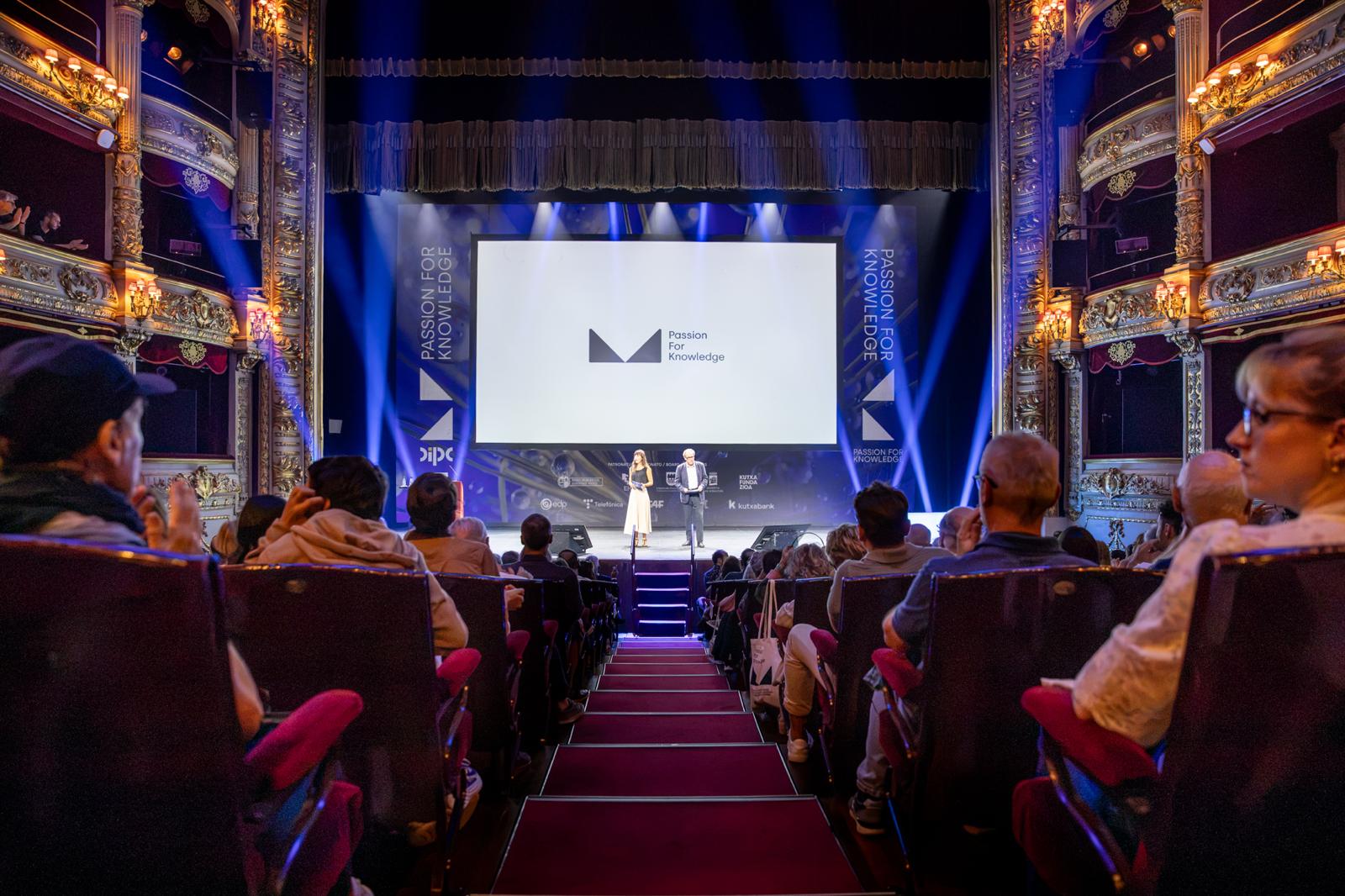
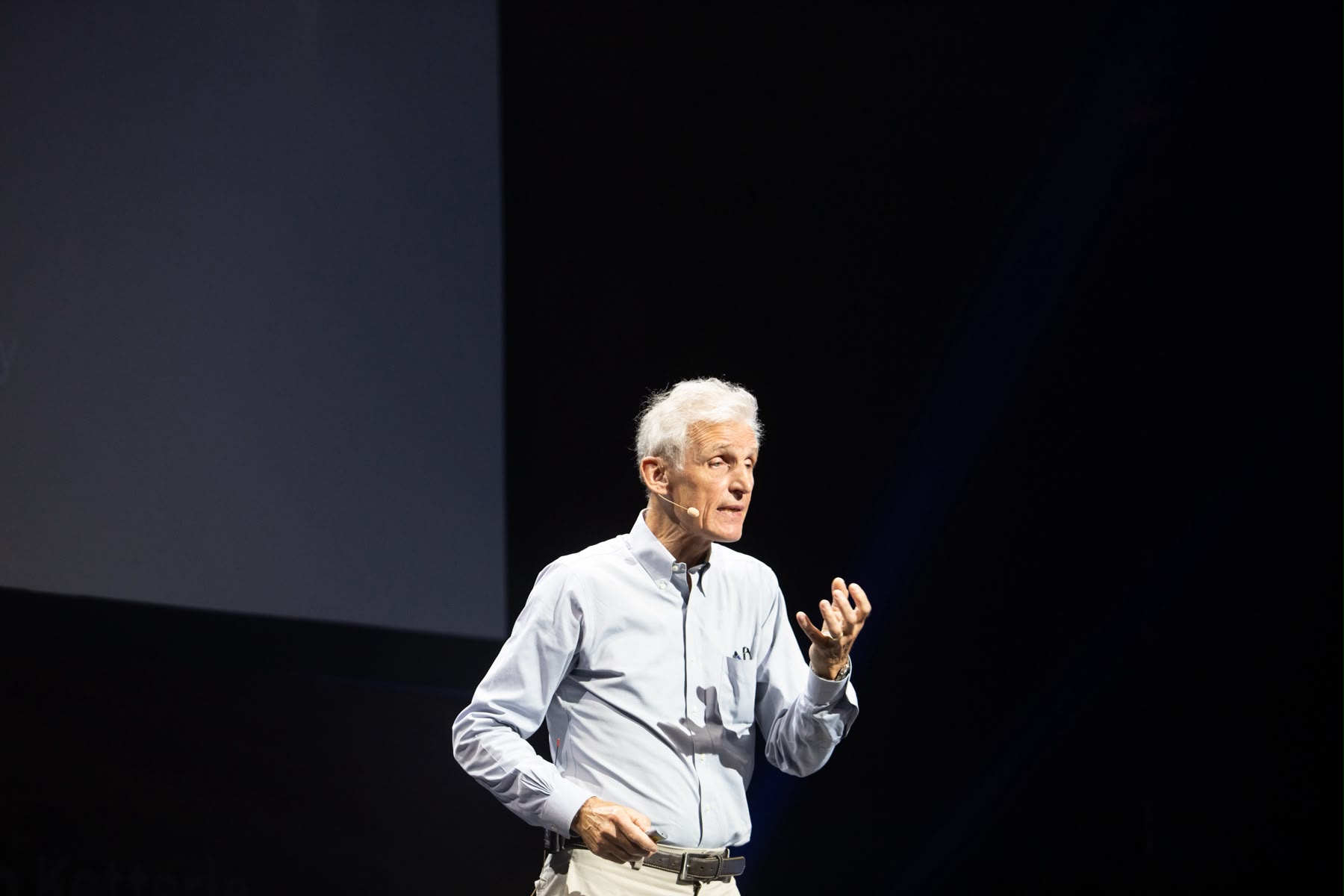
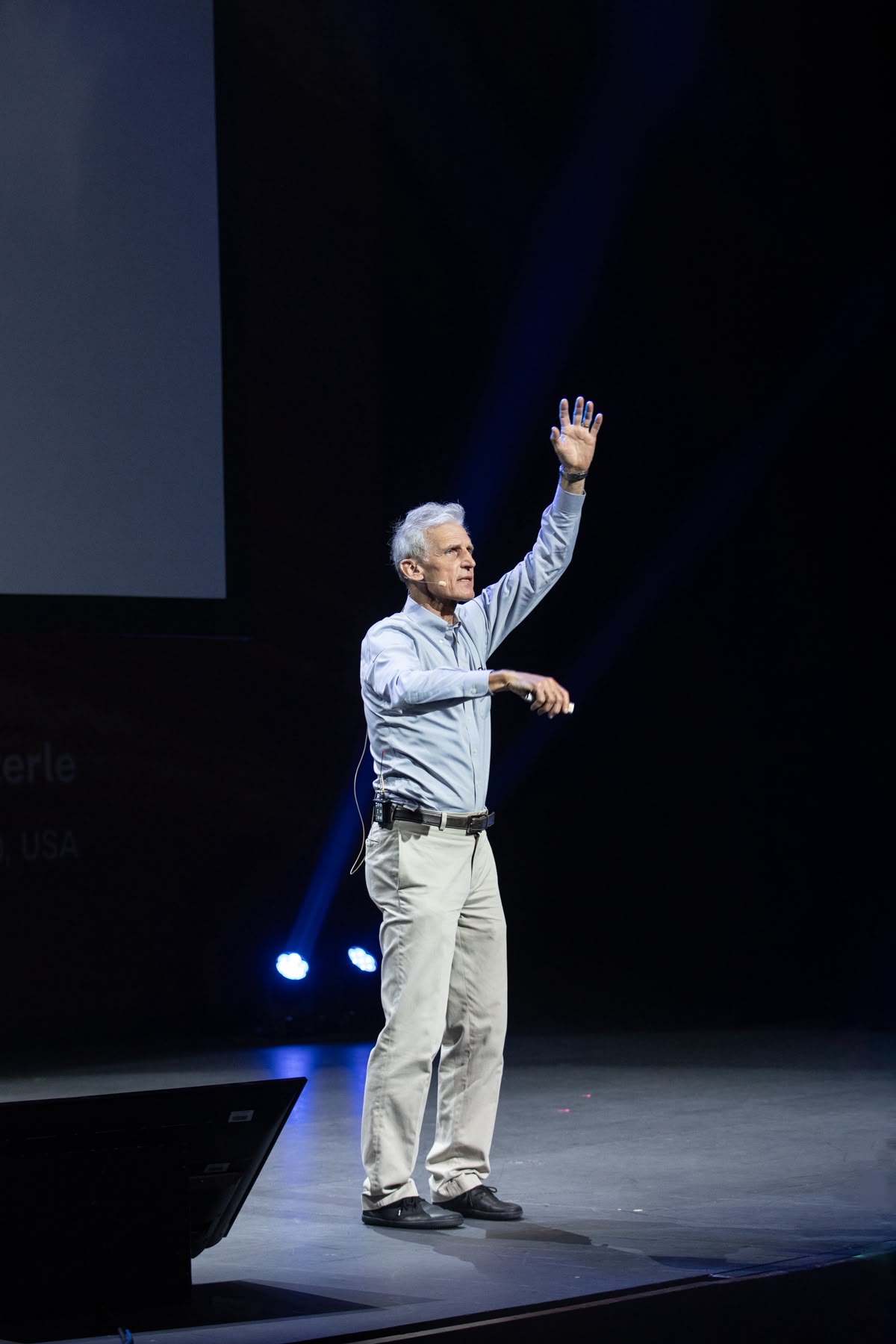
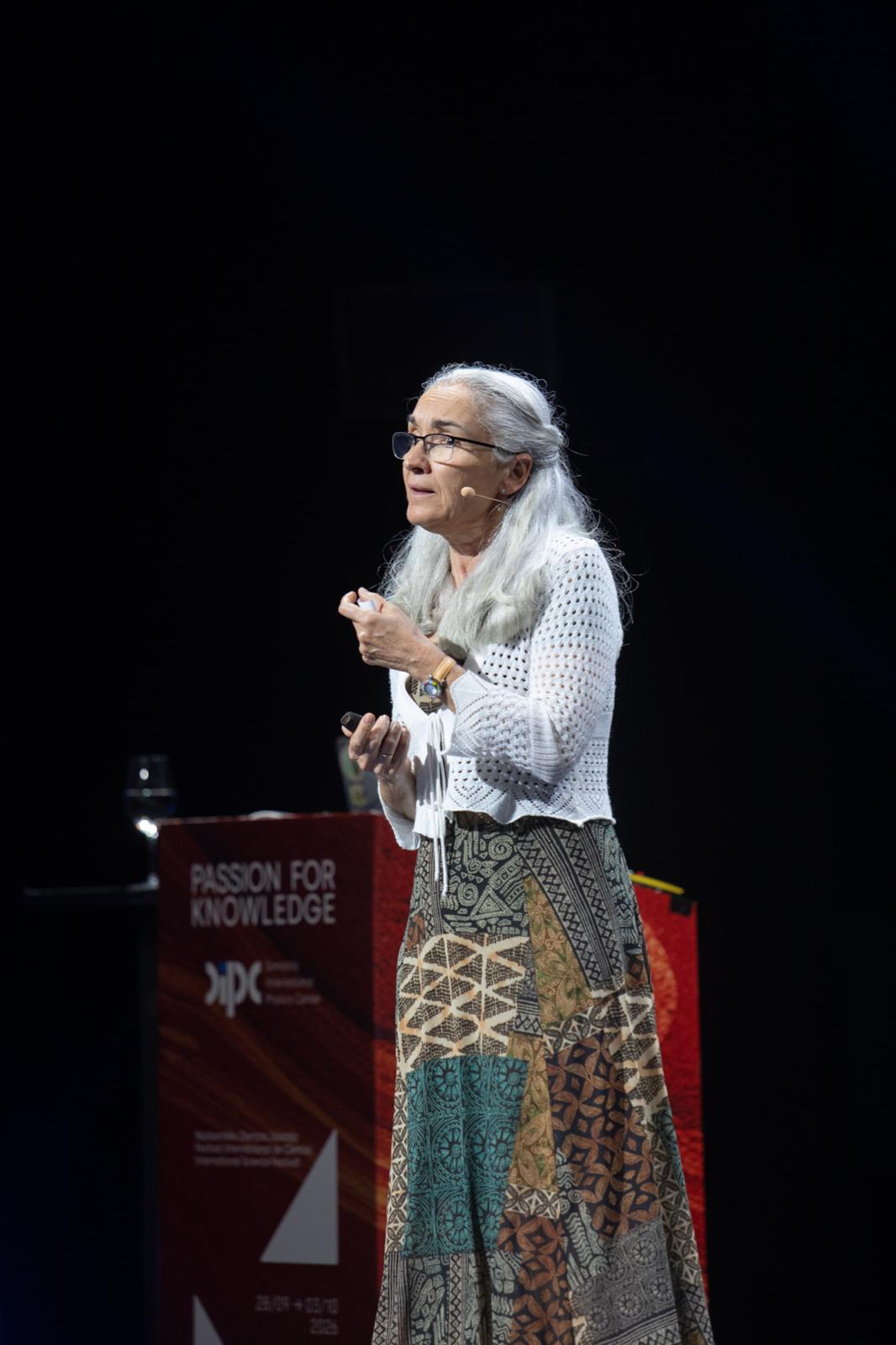
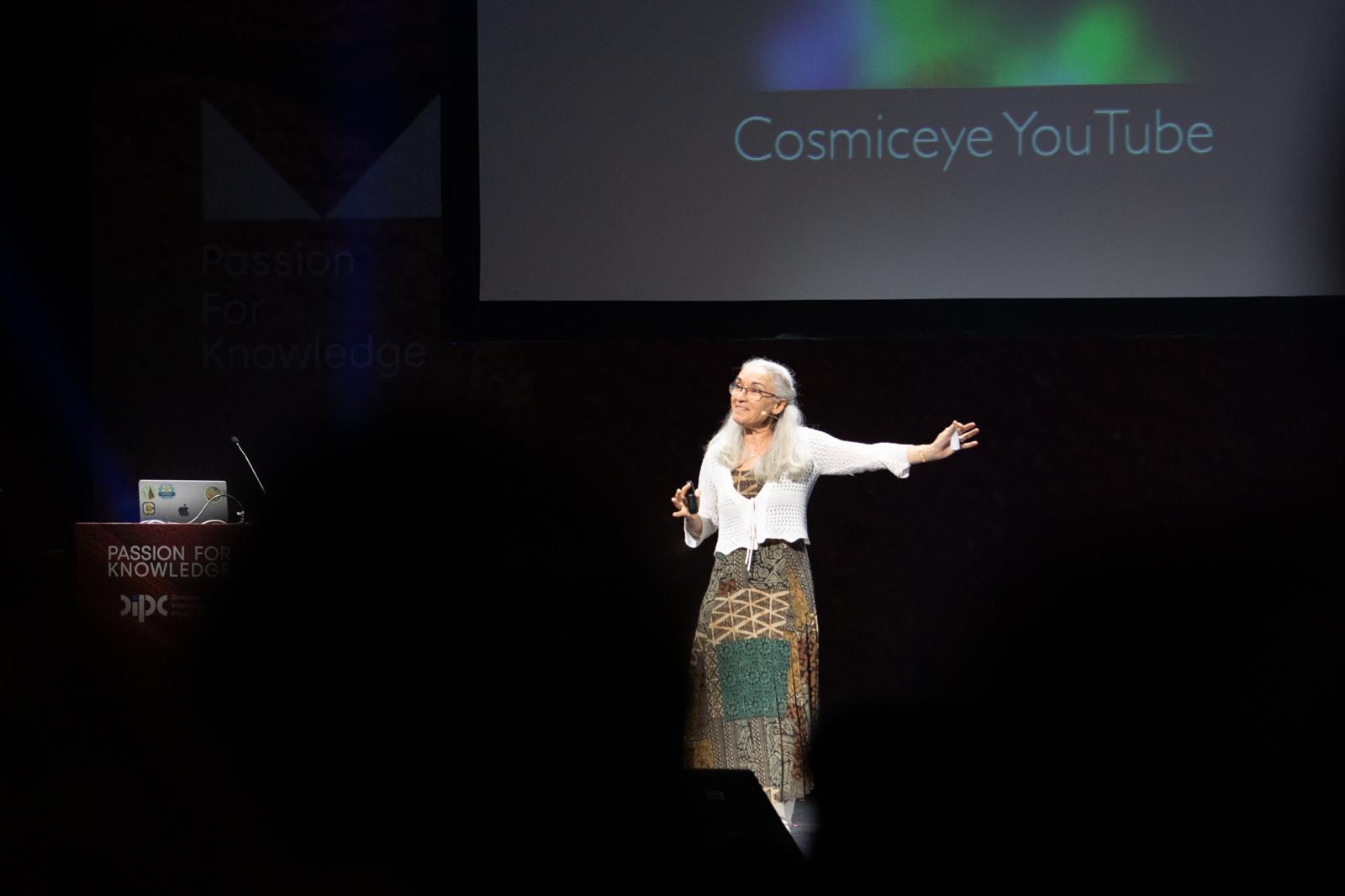
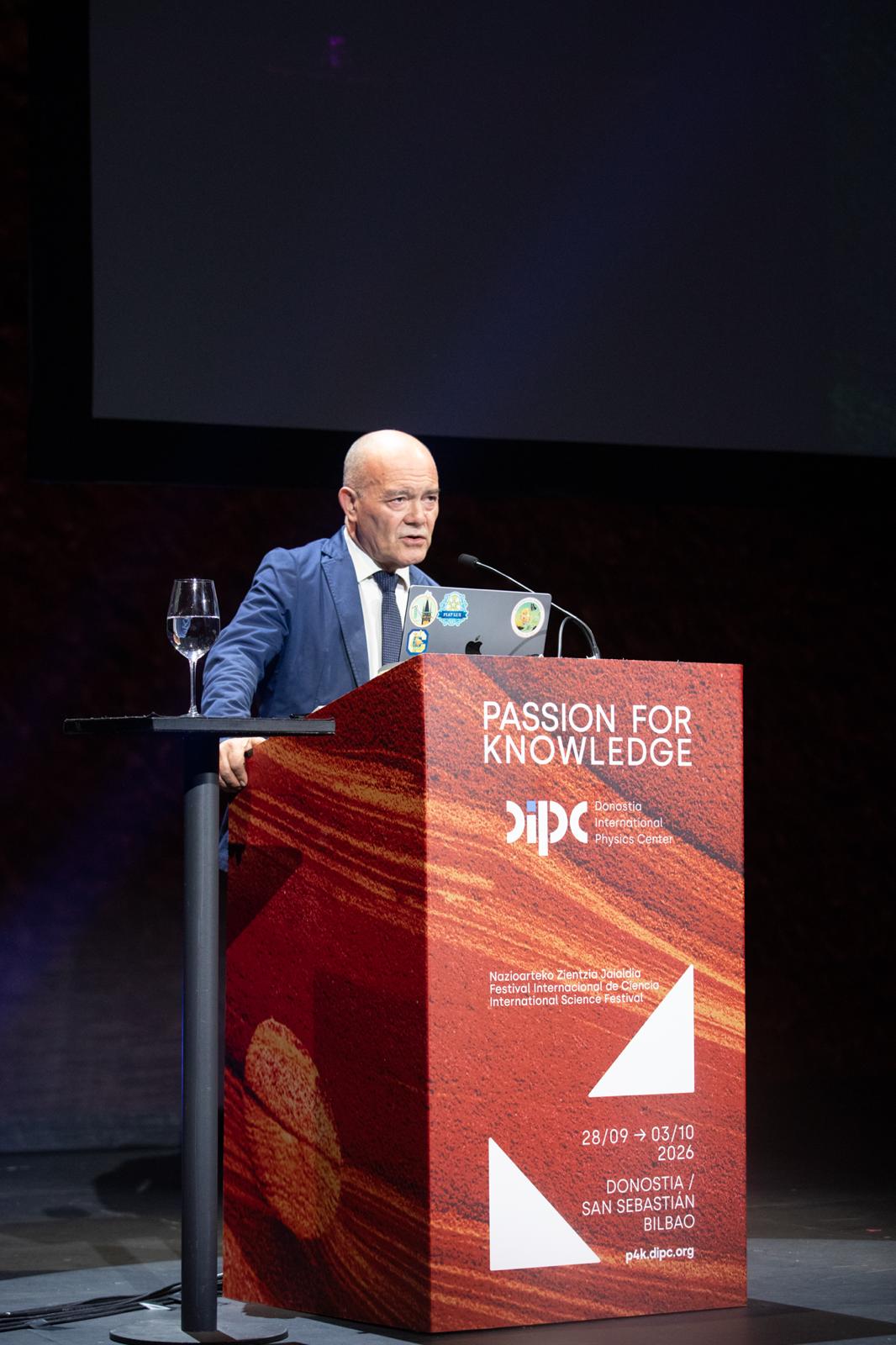
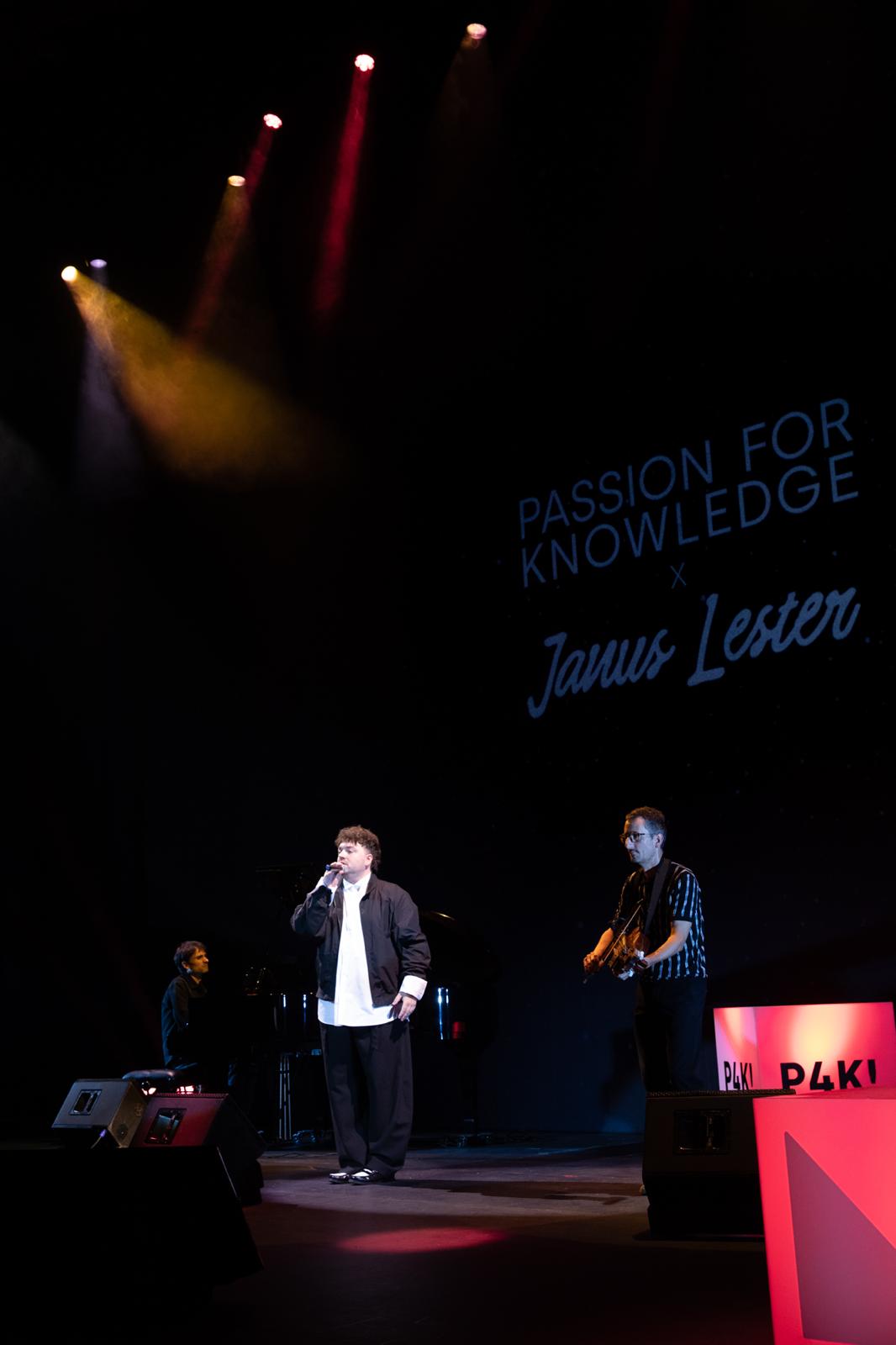
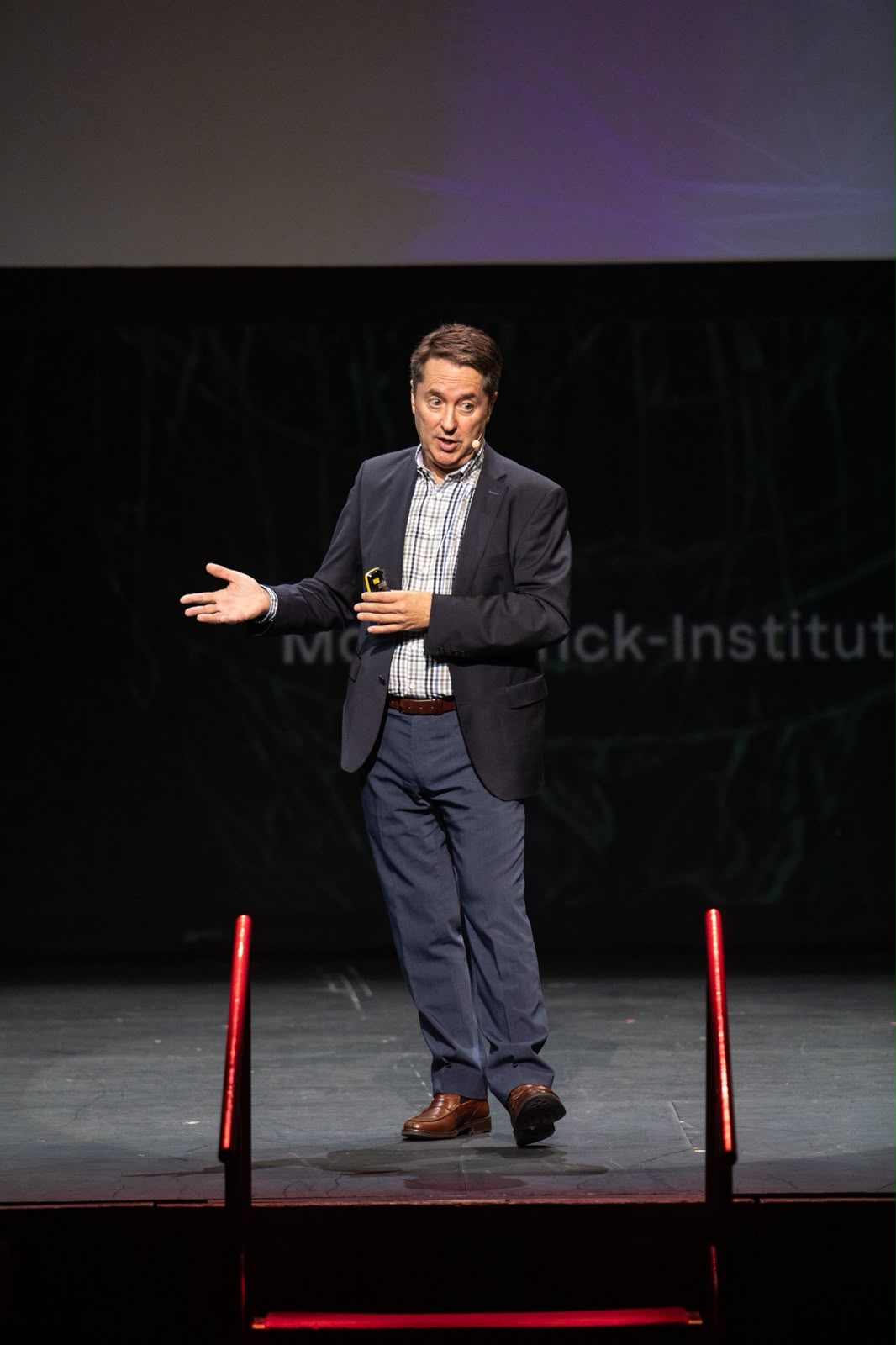
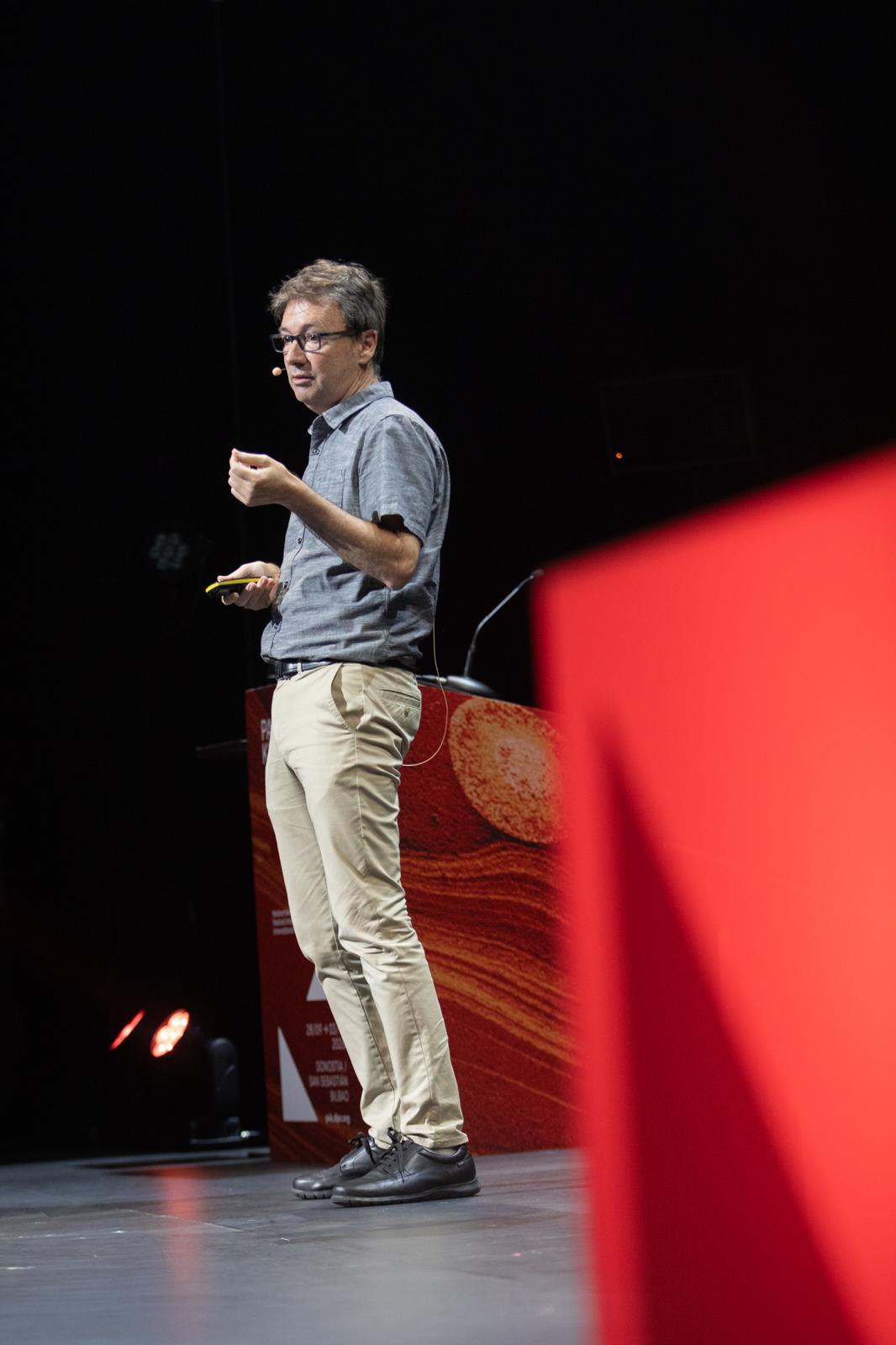
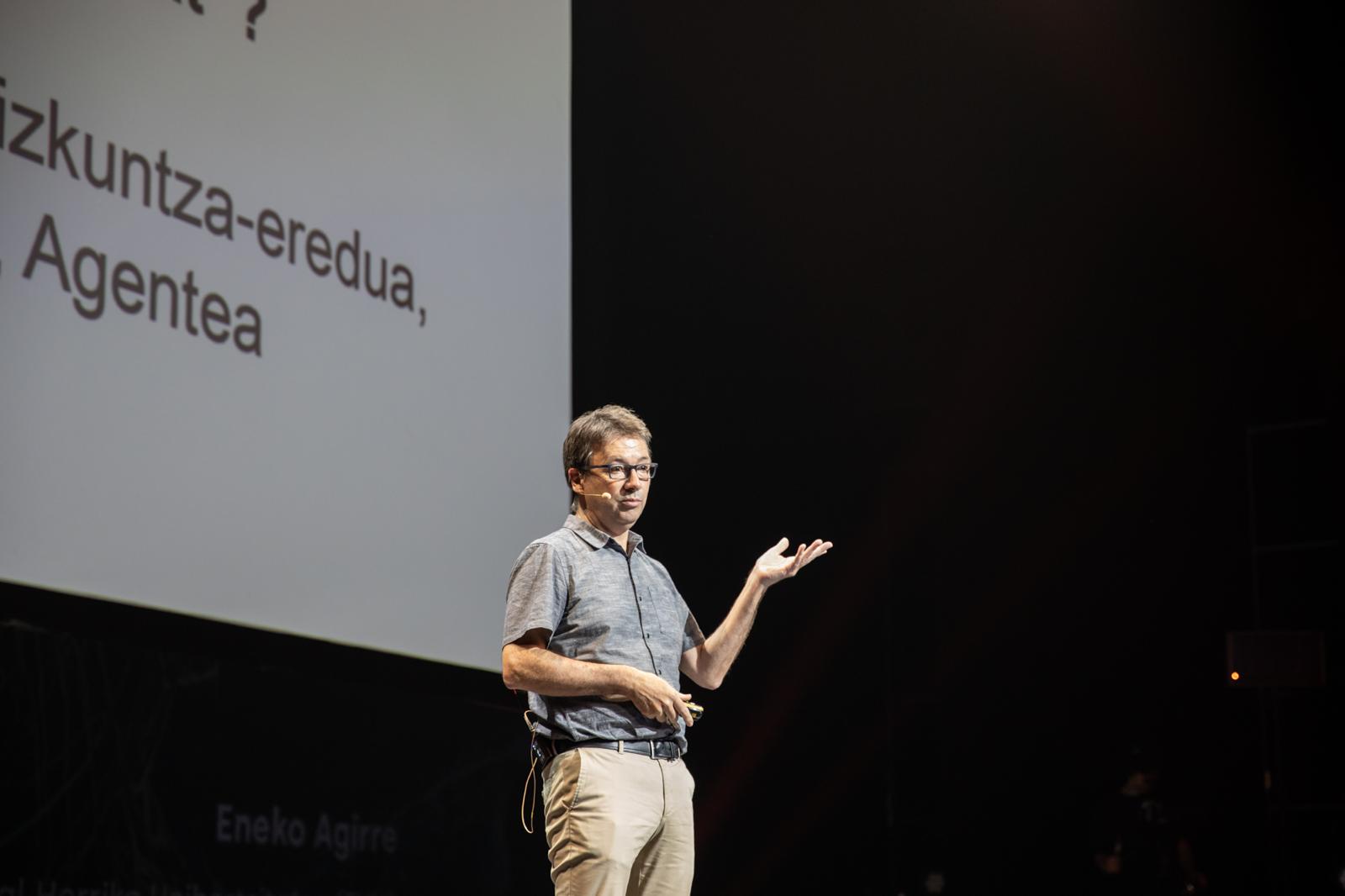
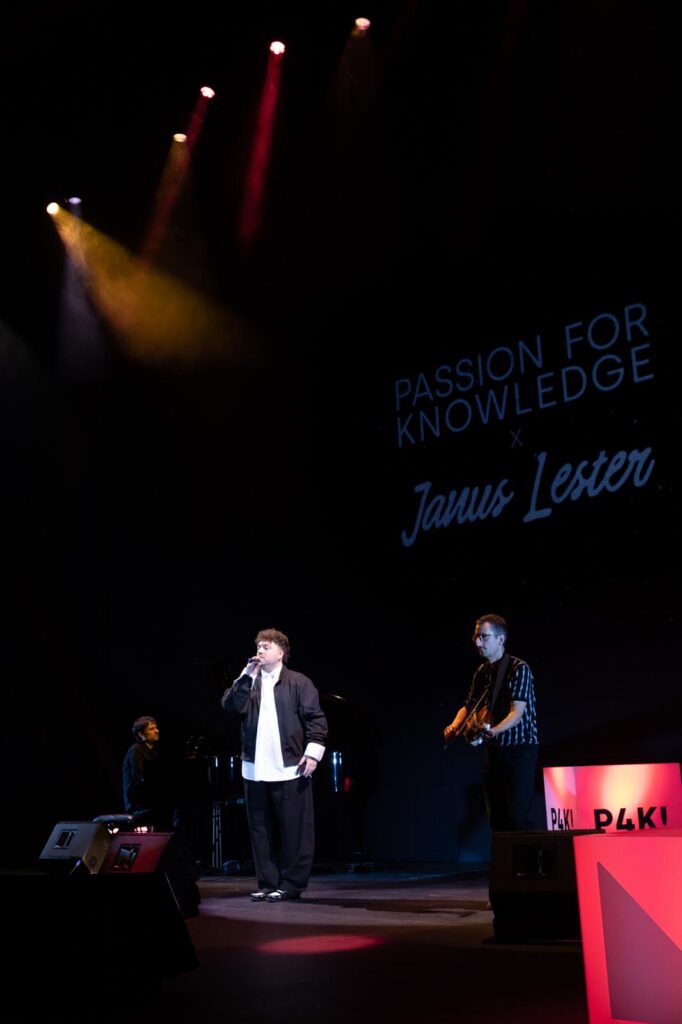
The Passion for Knowledge festival successfully concluded its sixth edition, bringing to a close six days of conferences, meetings and dialogues between science and society. The closing ceremony featured Janus Lester, who performed two songs from his new album, adding a musical touch to the festival’s finale.
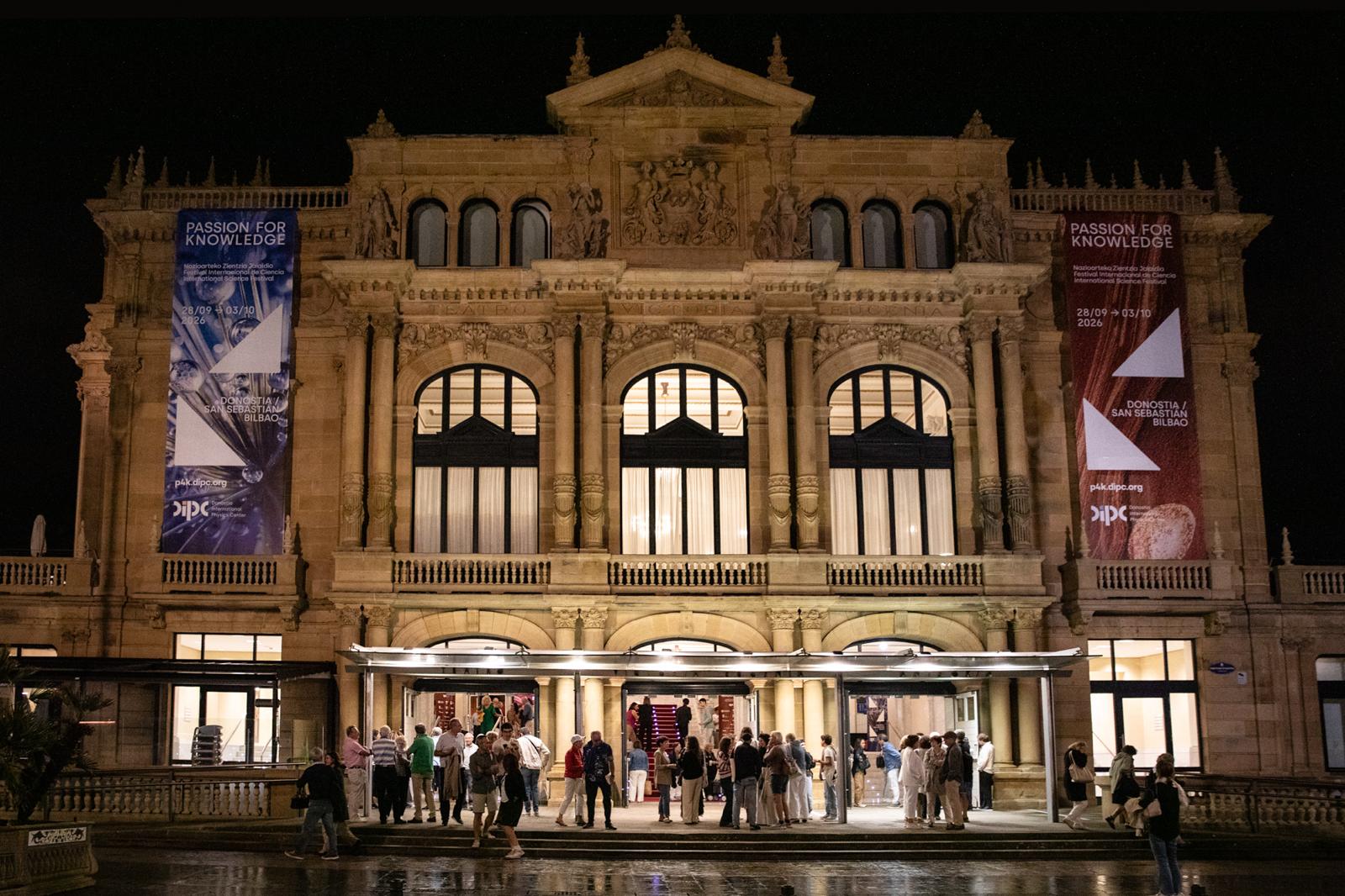
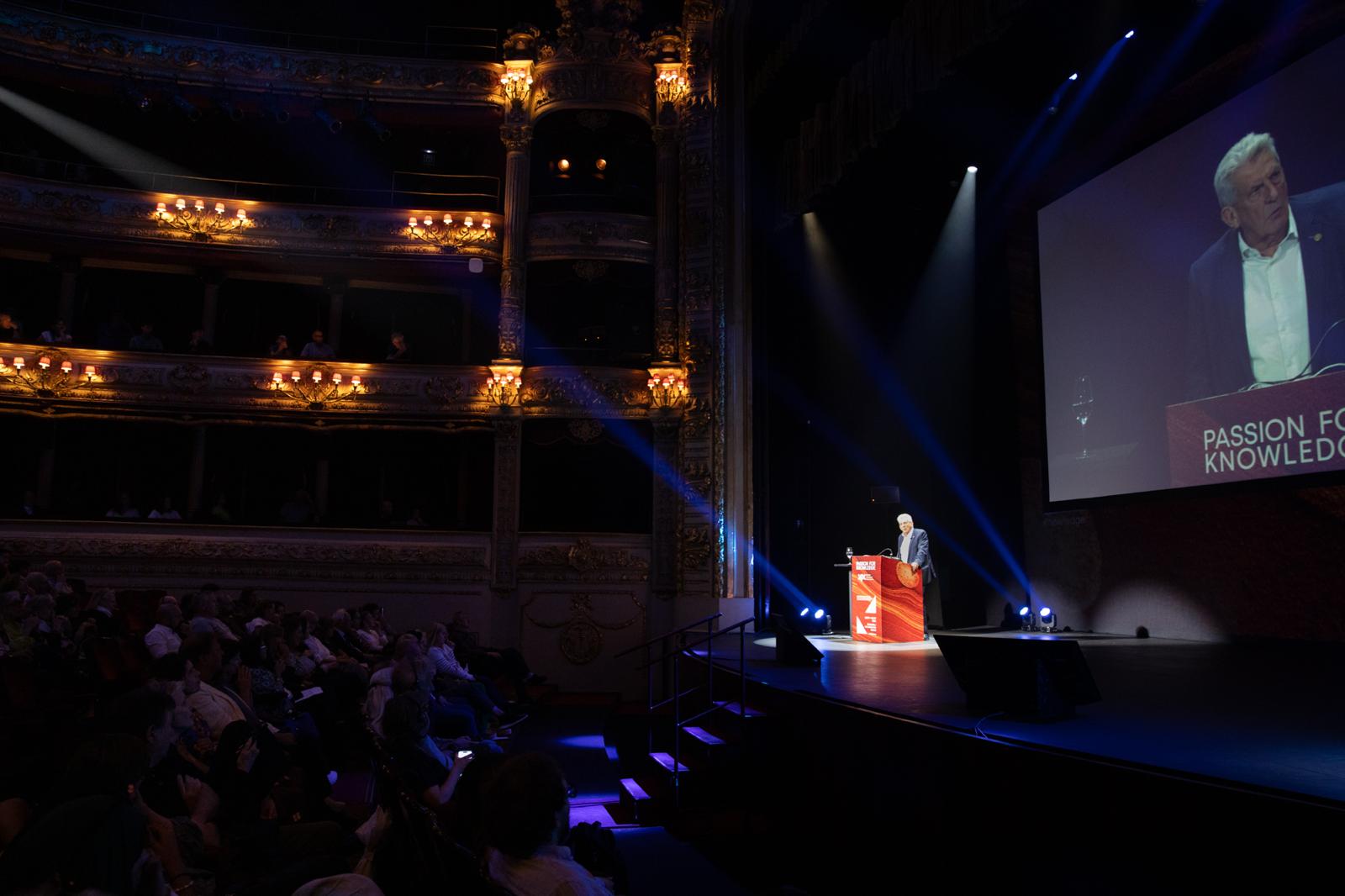
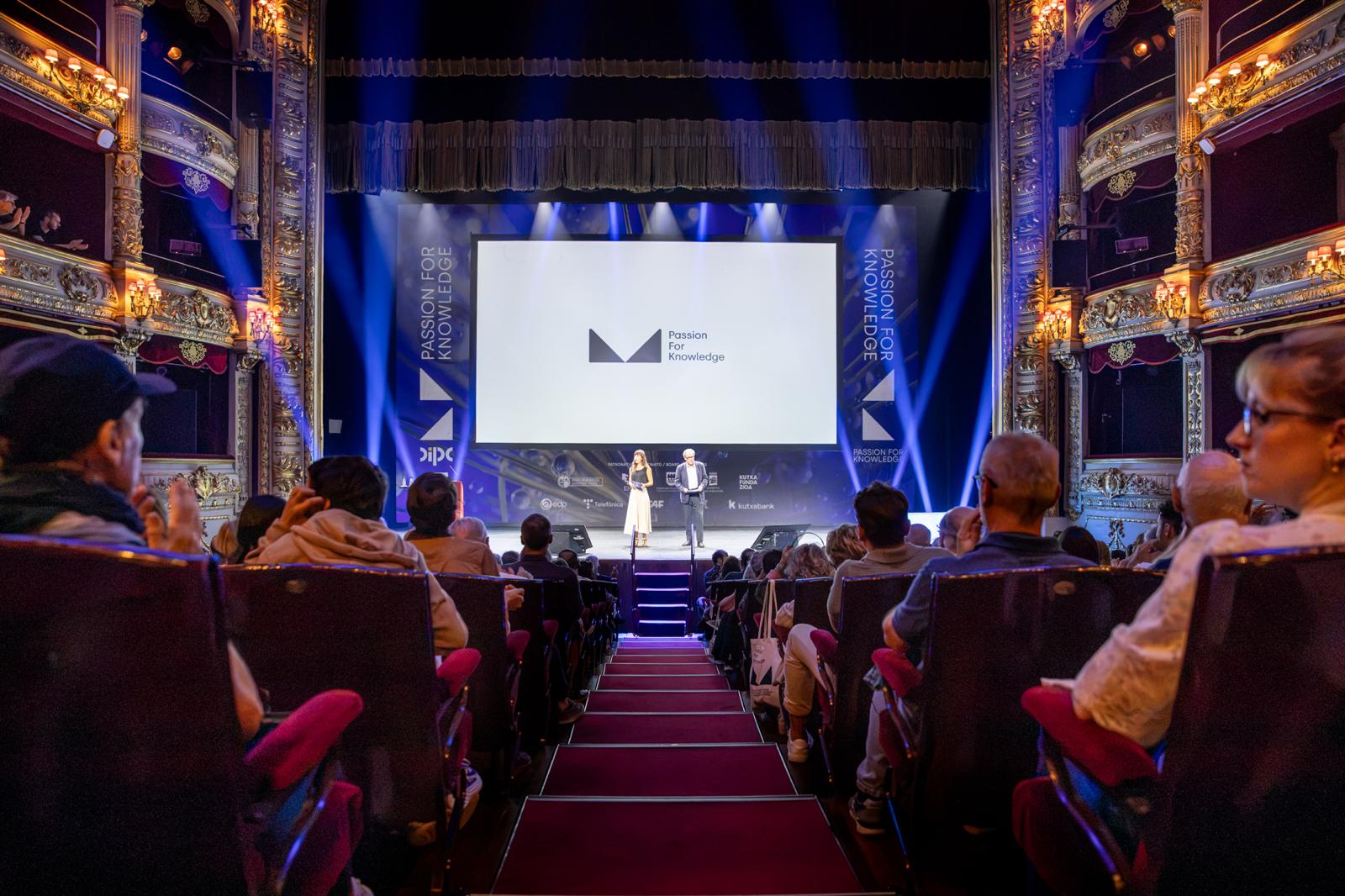
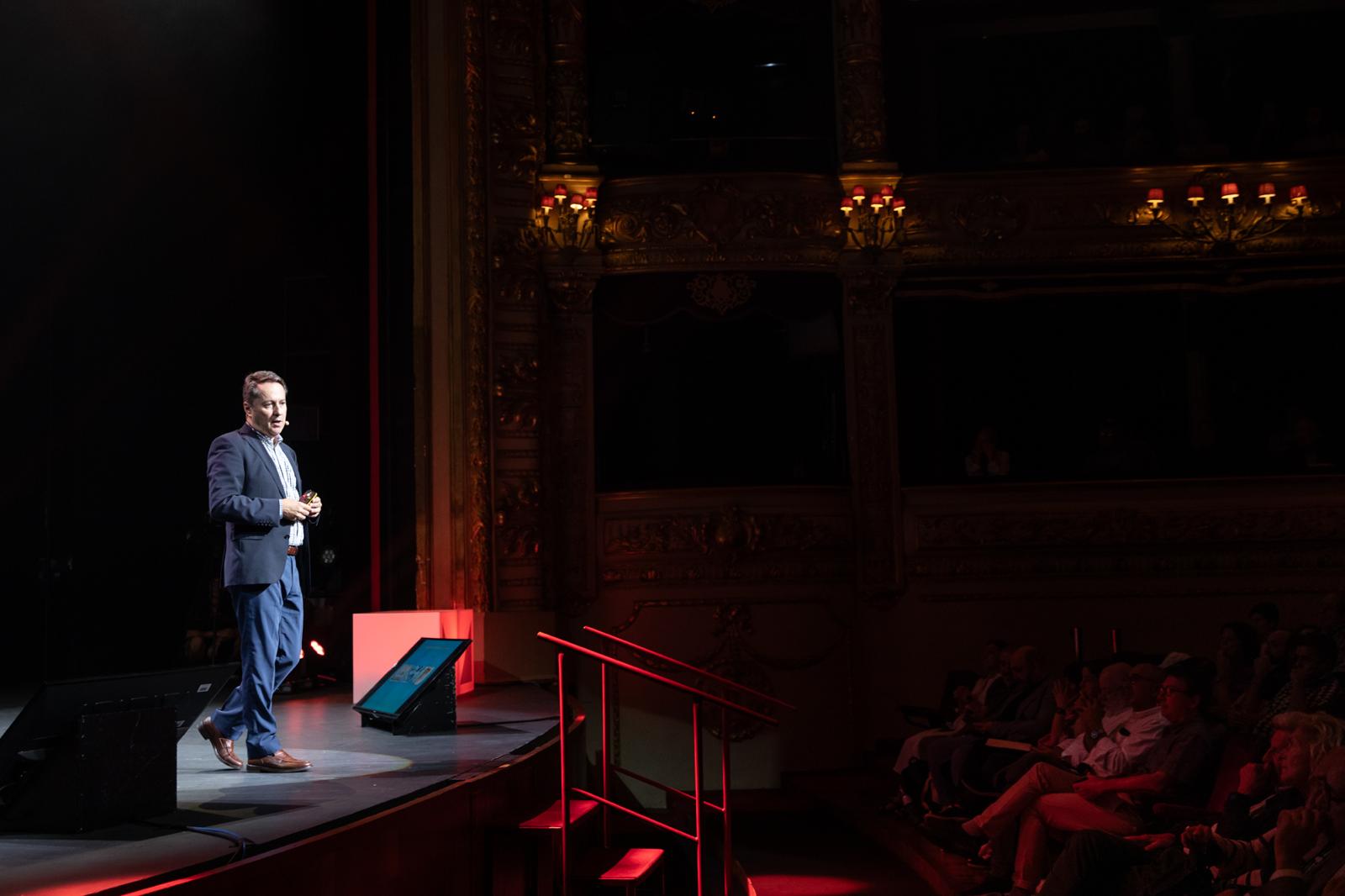
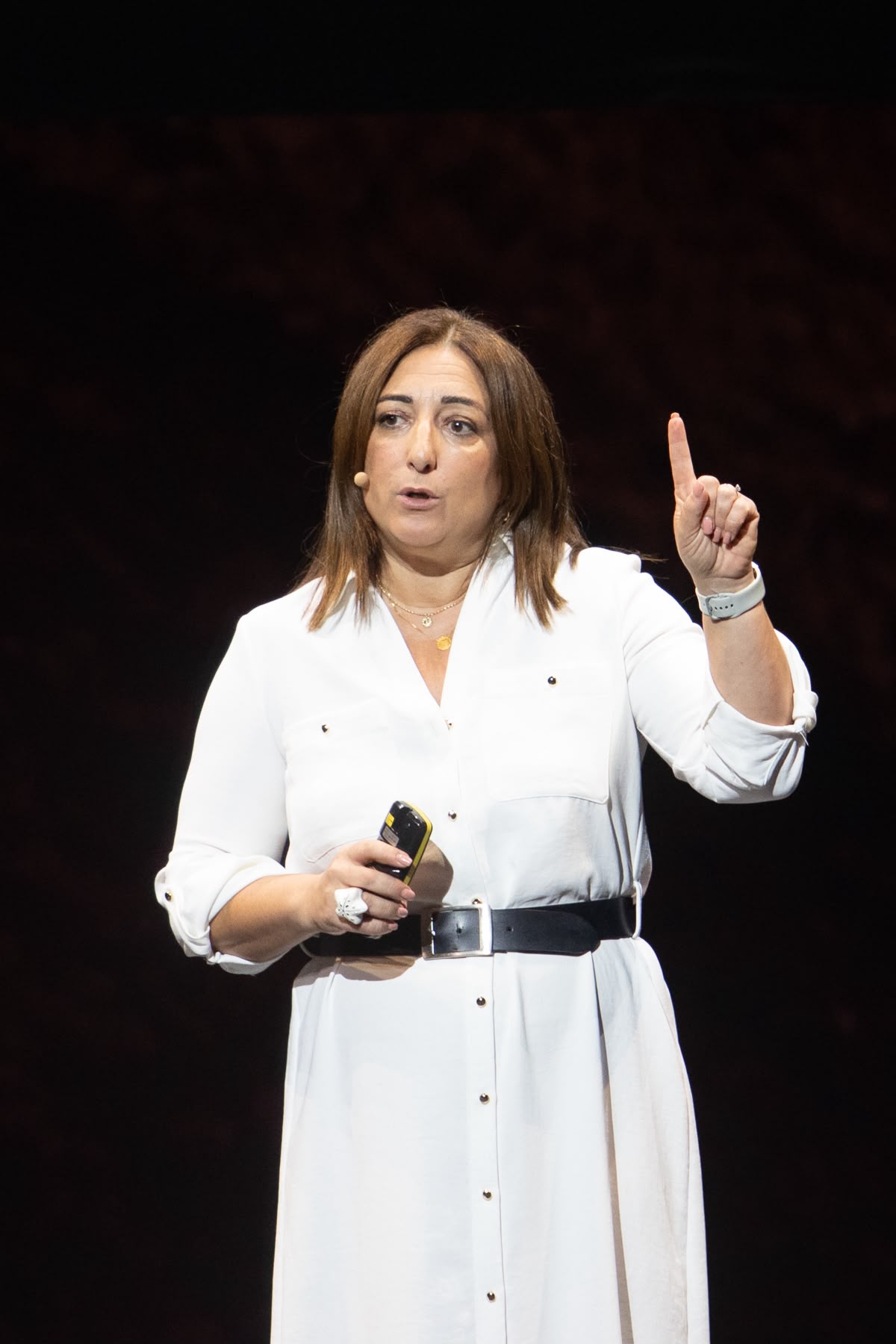
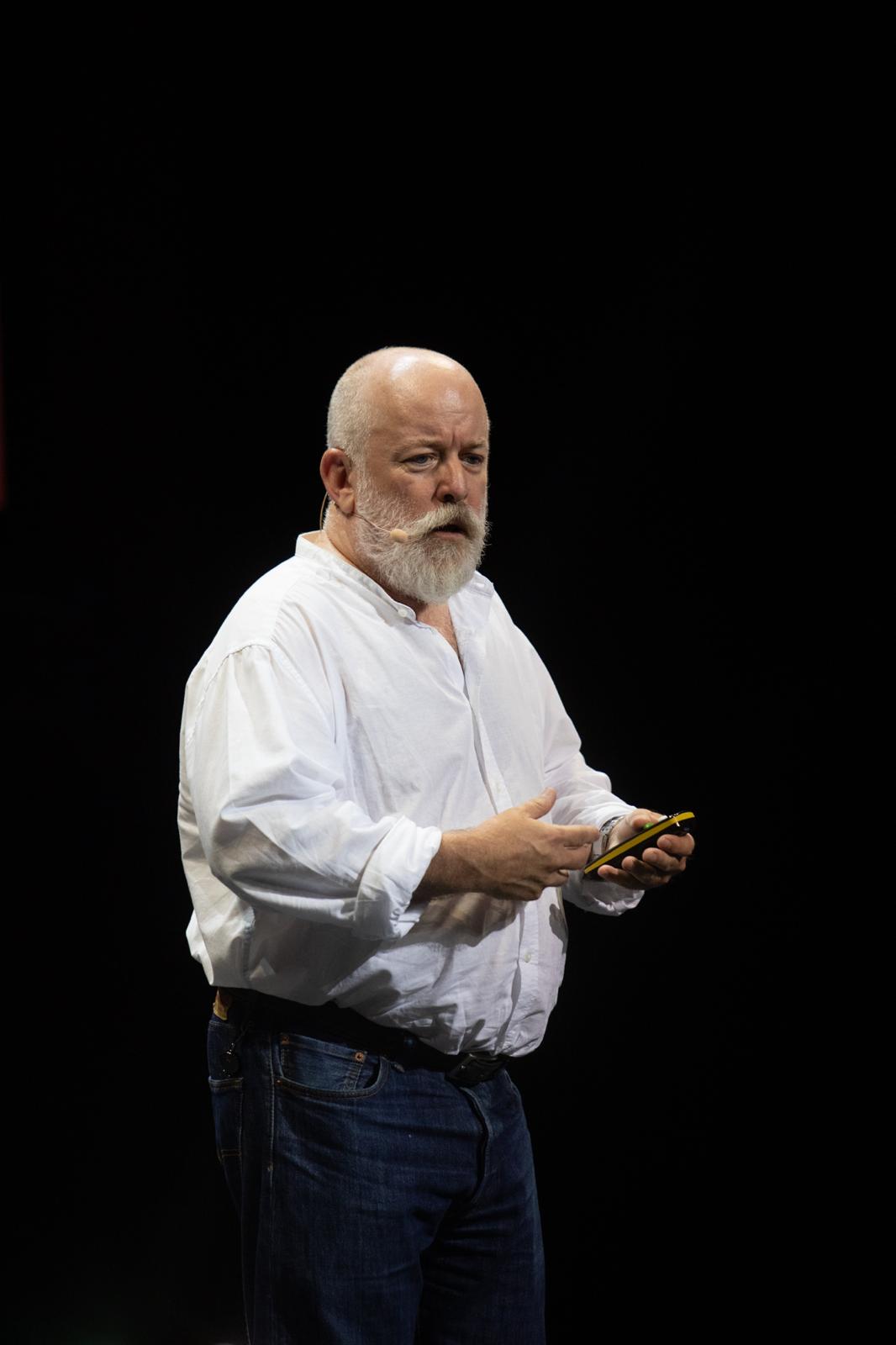
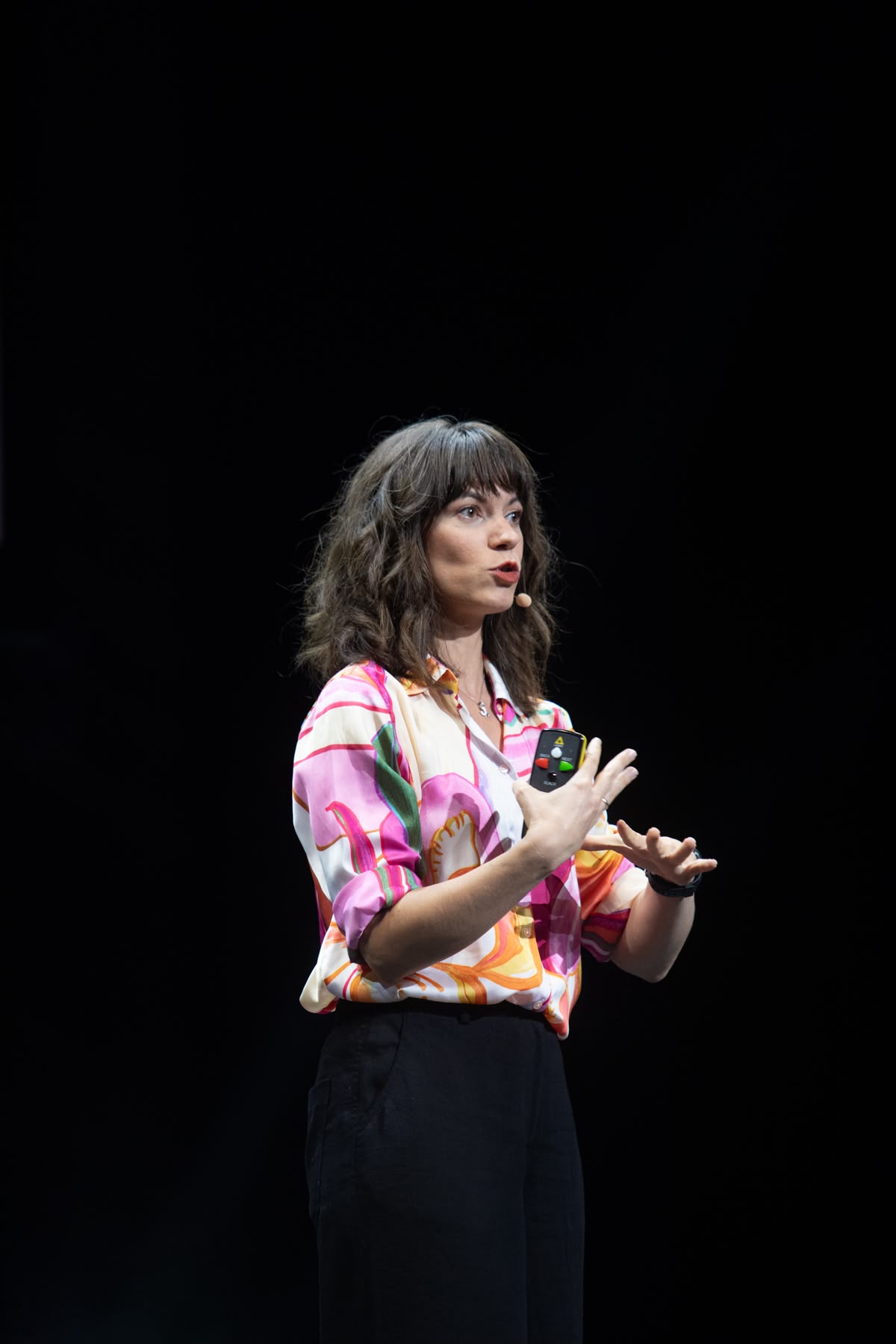
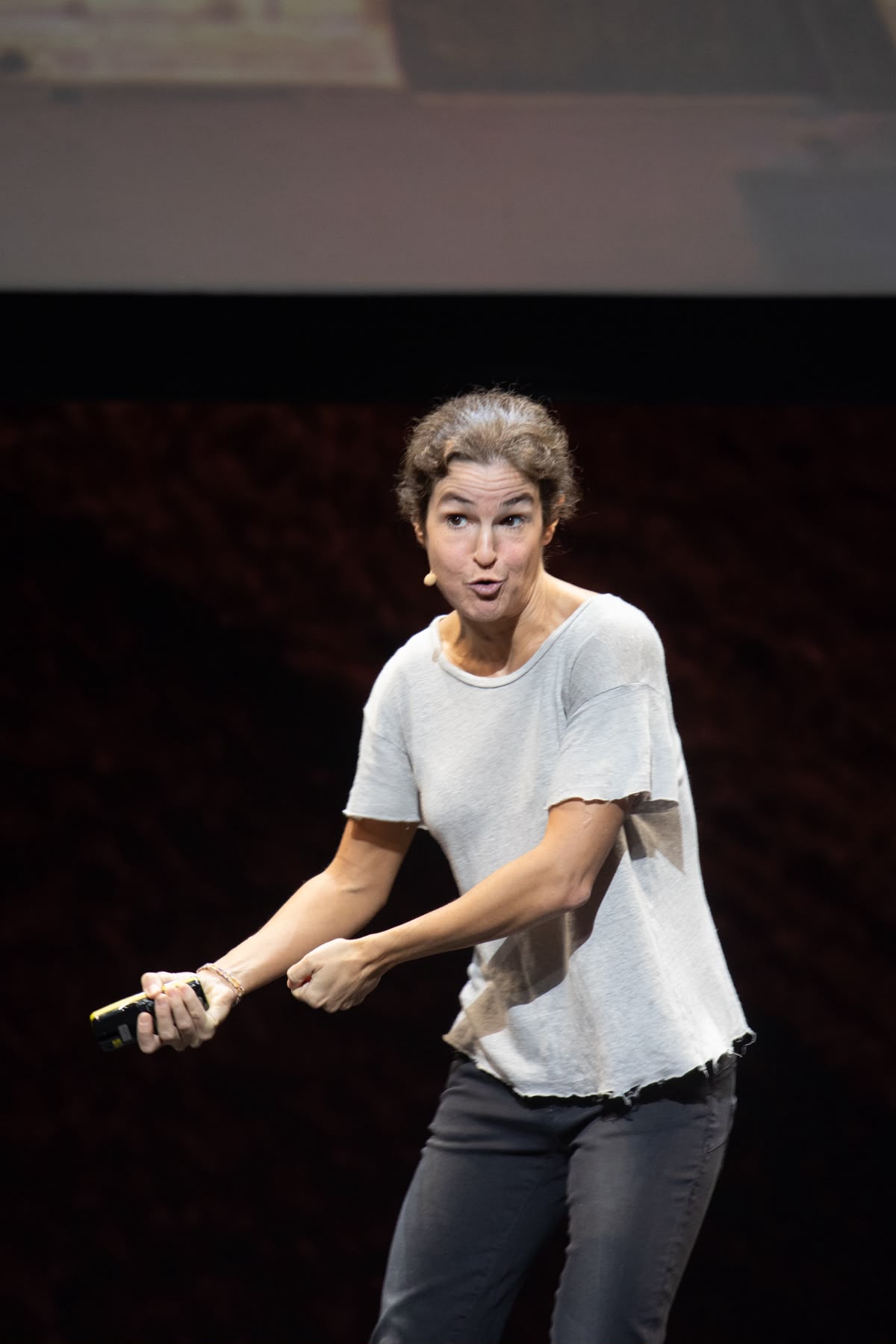
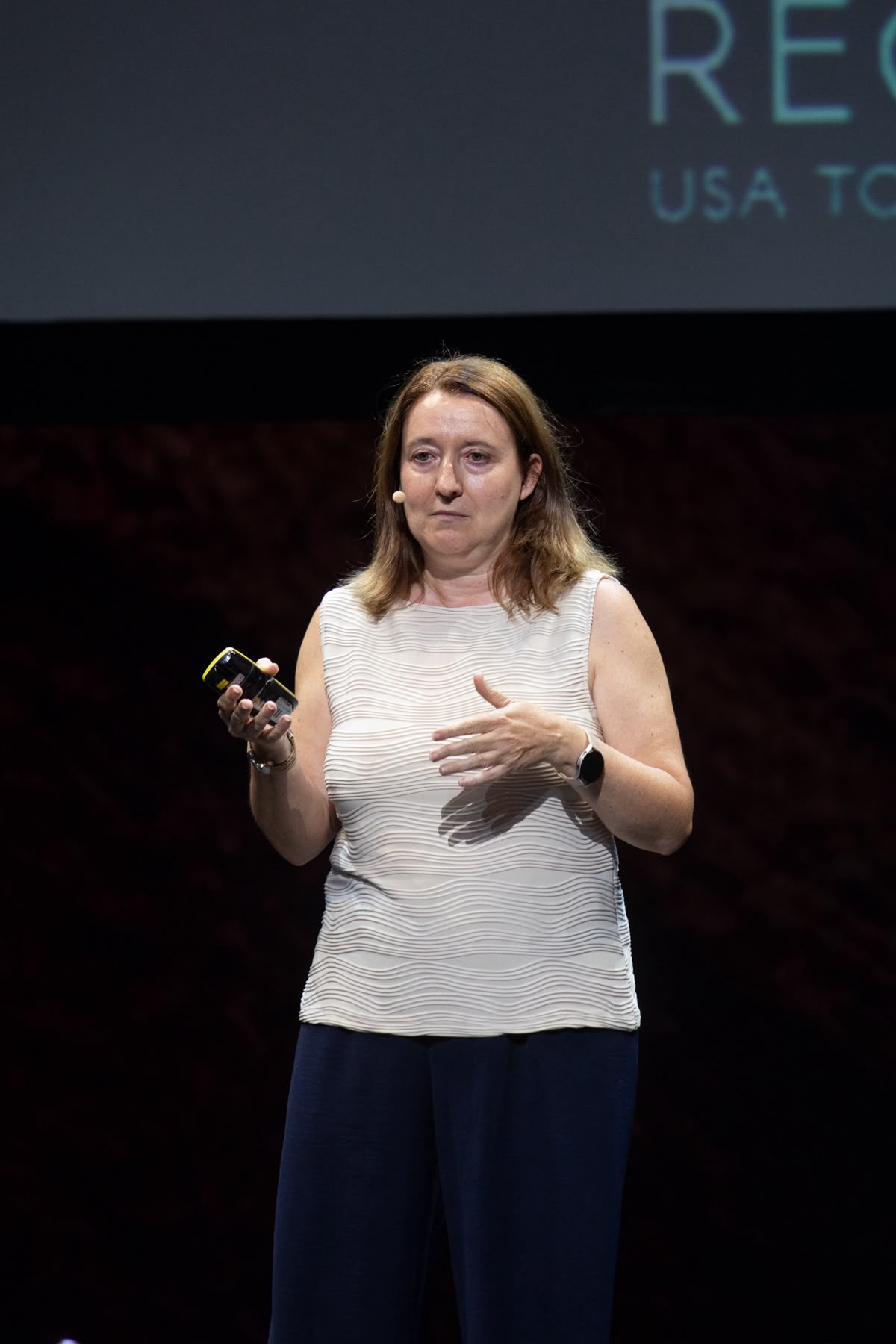
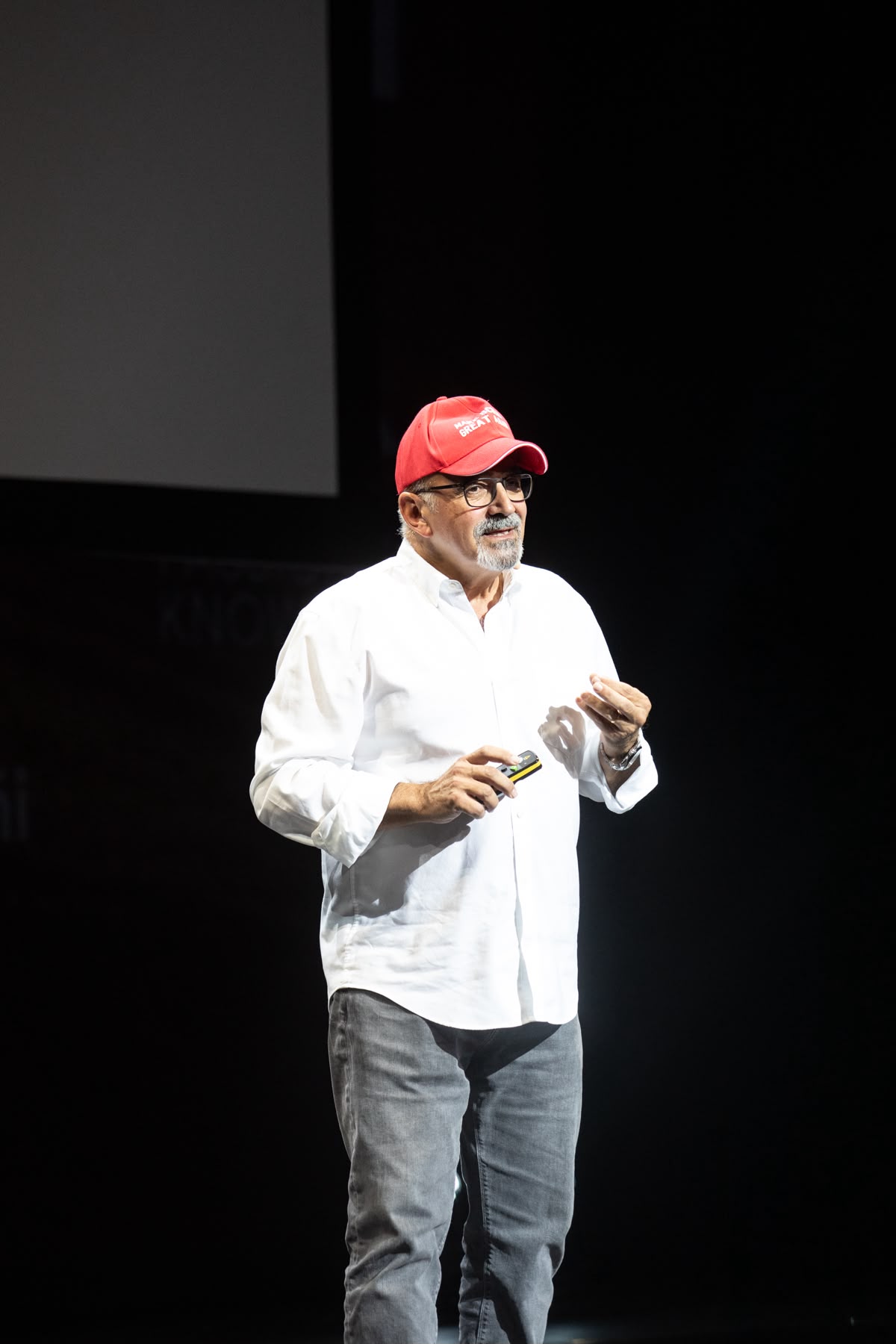
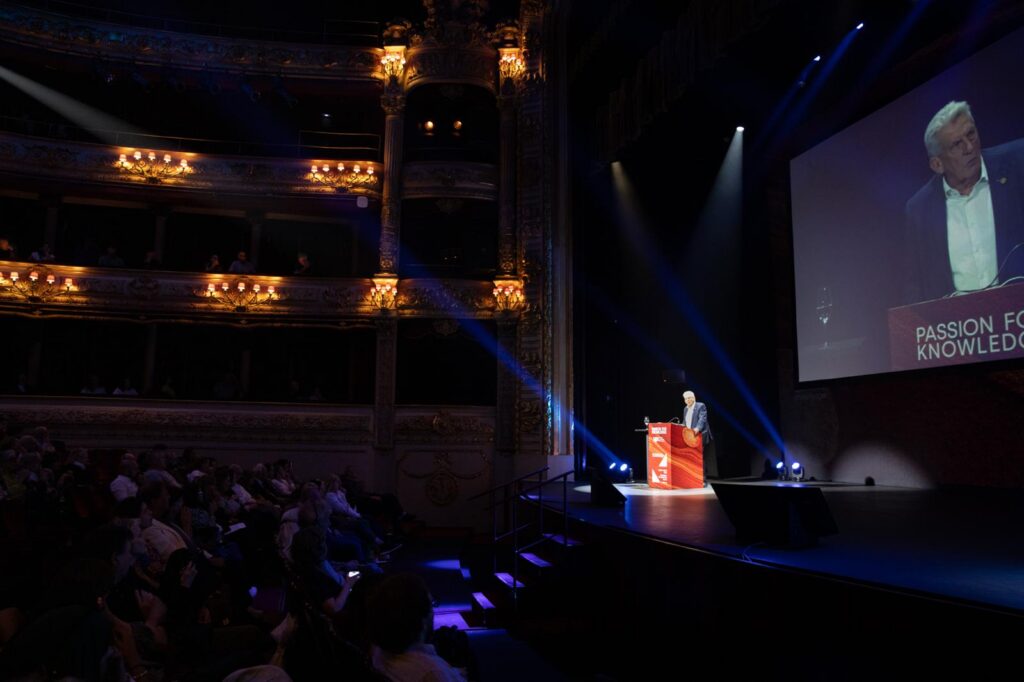
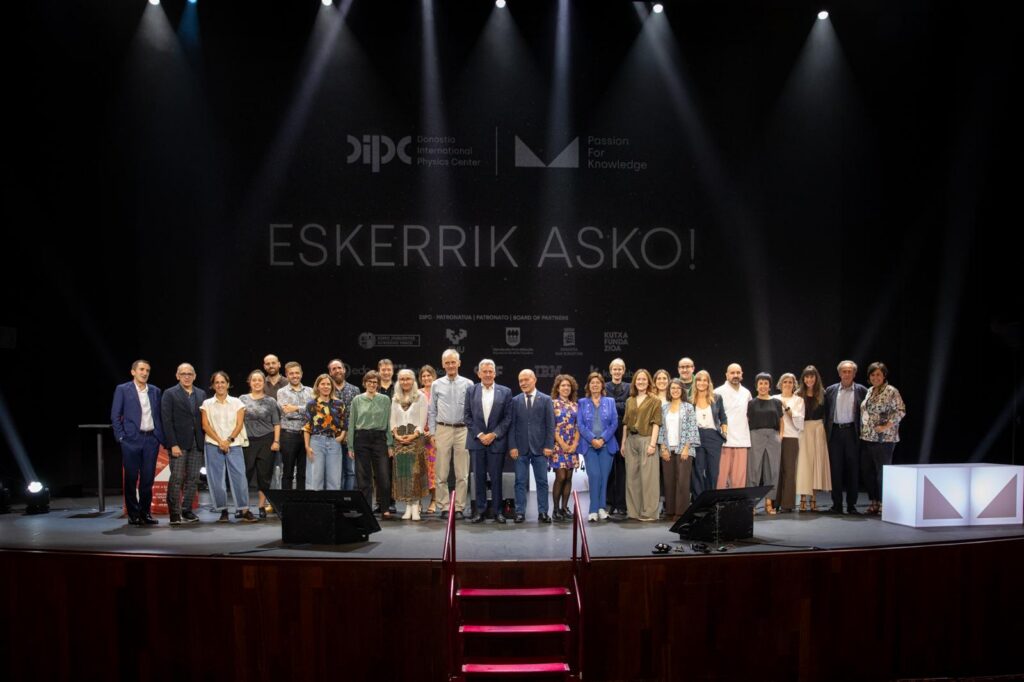
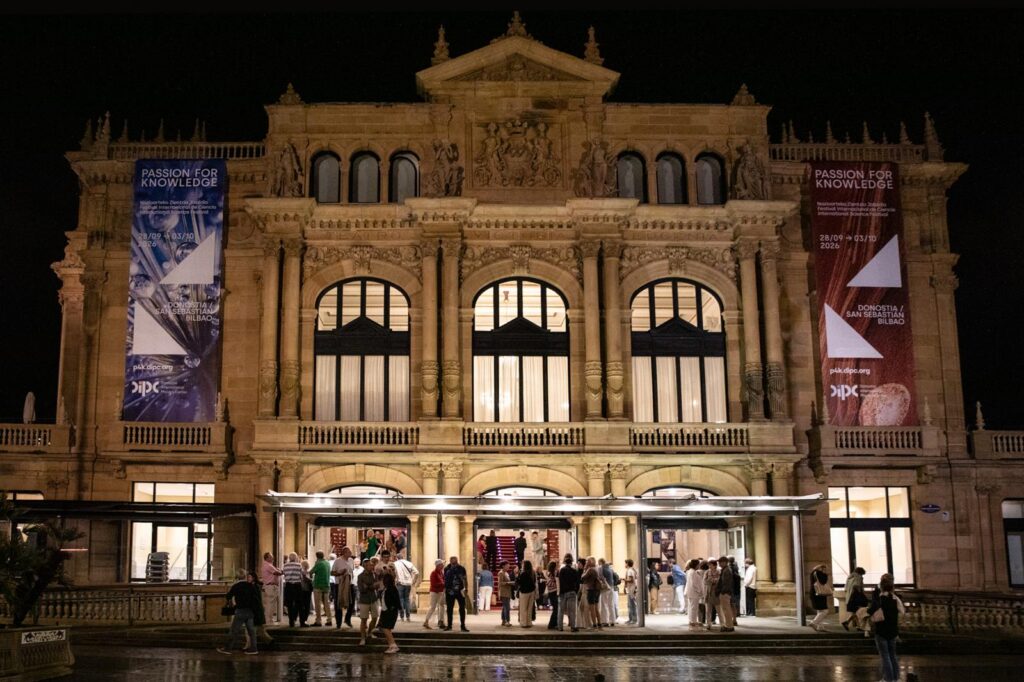
Throughout the week, the festival attracted more than 6,000 people and once again demonstrated the interest that science generates when it engages with society. More than 700 people filled the Victoria Eugenia Theatre every day to enjoy various activities and talks. Furthermore, 600 secondary school pupils and teachers had the opportunity to chat with leading scientists. The festival’s impact also reached the media: over 150 impacts have been reached.
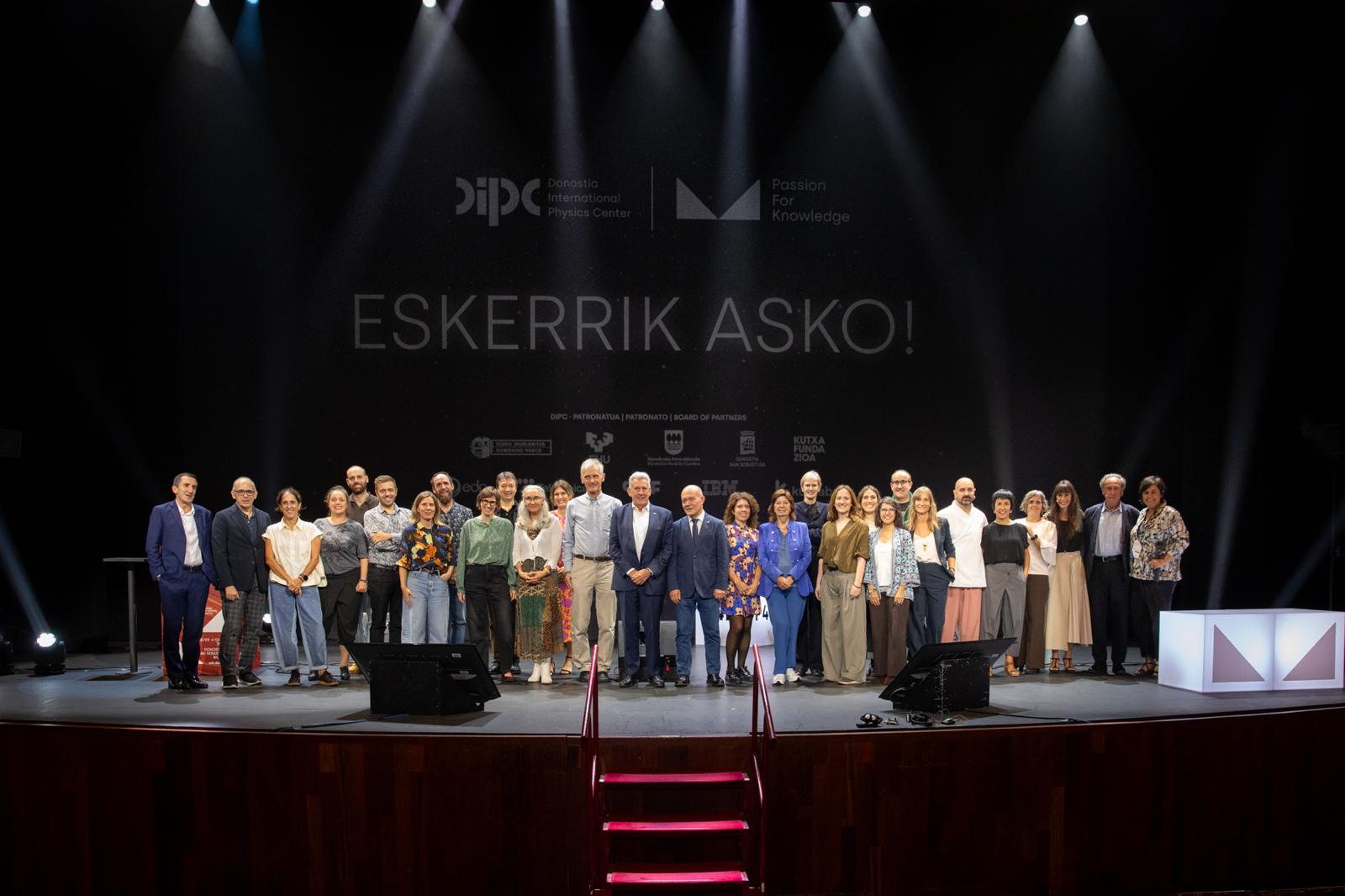
Once again, the DIPC would like to express its gratitude to everyone who has worked with enthusiasm and dedication over the past few months to make this high-calibre event possible. We would also like to thank the public, whose extraordinary support in filling the Victoria Eugenia Theatre day after day has once again demonstrated the interest and curiosity that science and knowledge inspire. This response encourages us to continue bringing science closer to society and bringing initiatives like this one to life. We look forward to seeing you at the next Passion for Knowledge event!
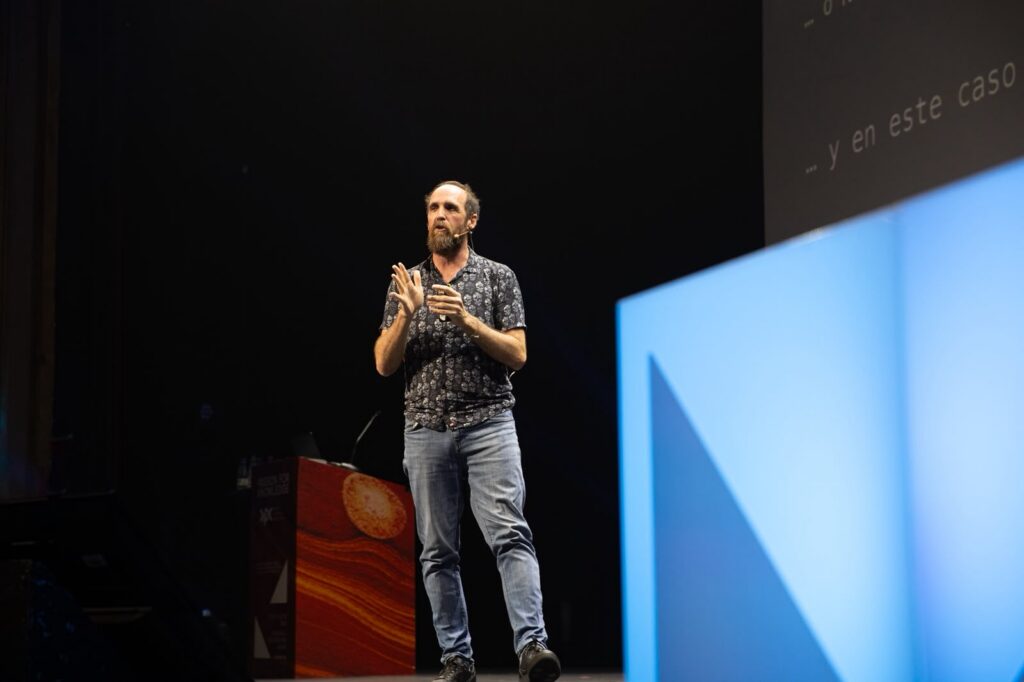
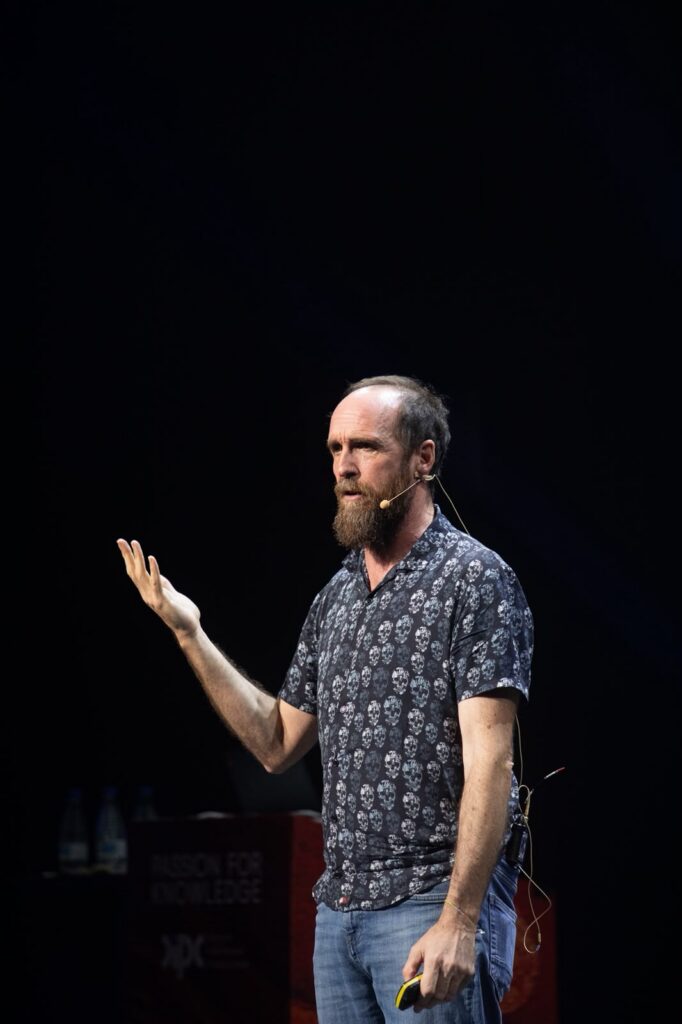
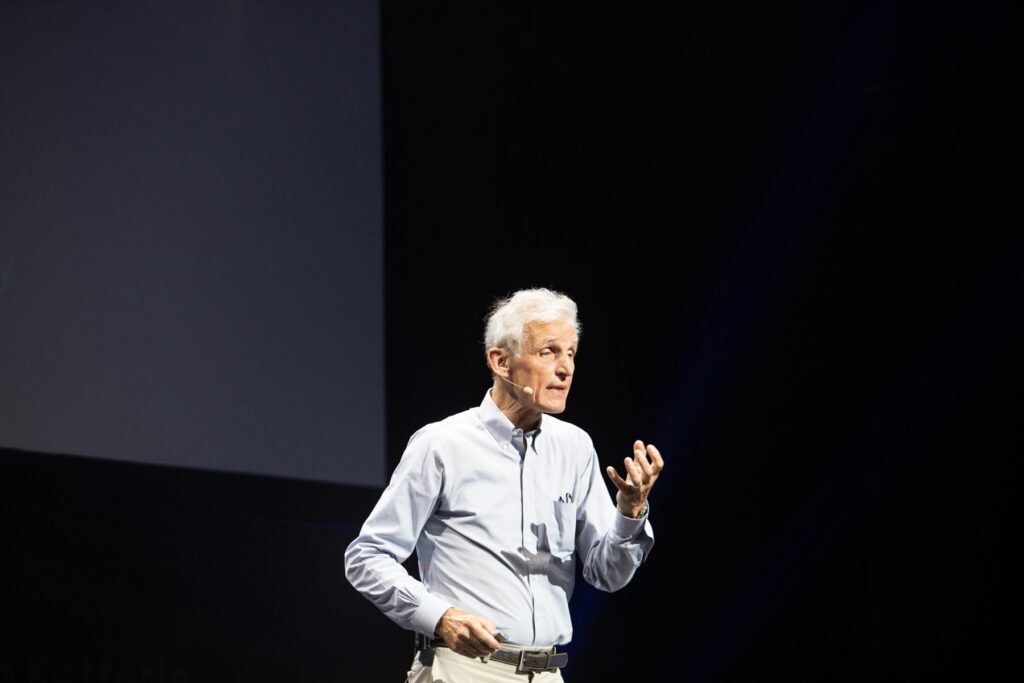
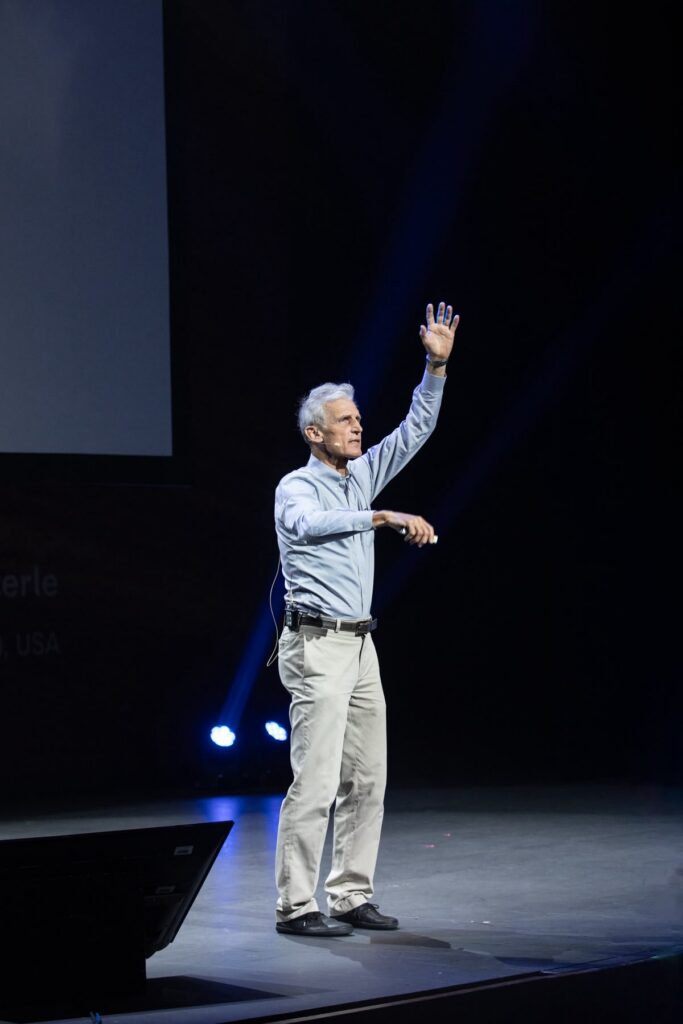
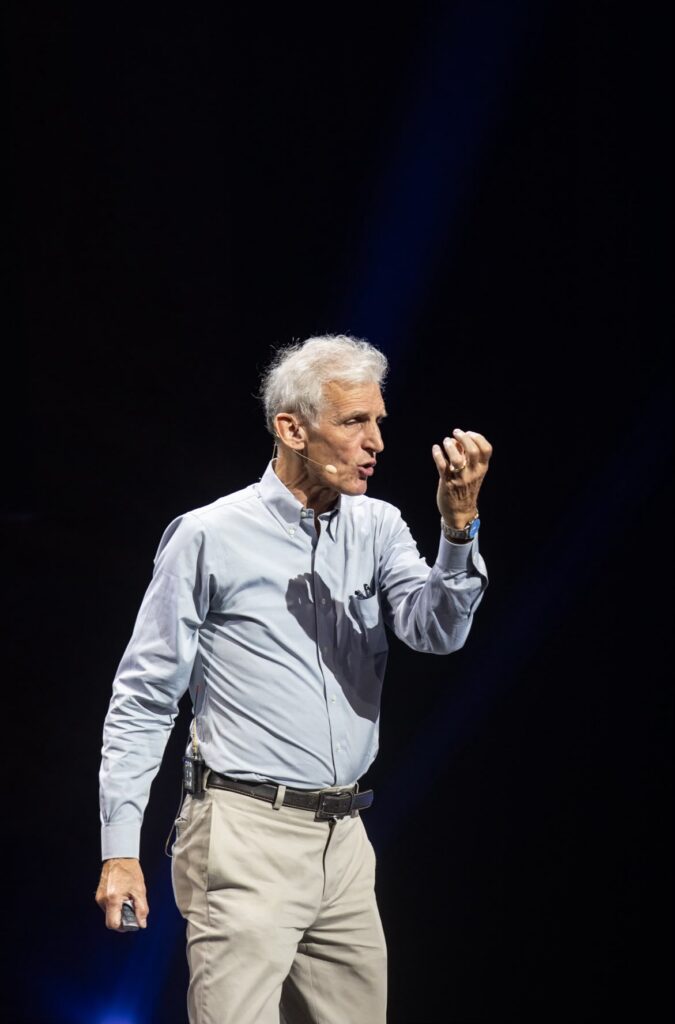
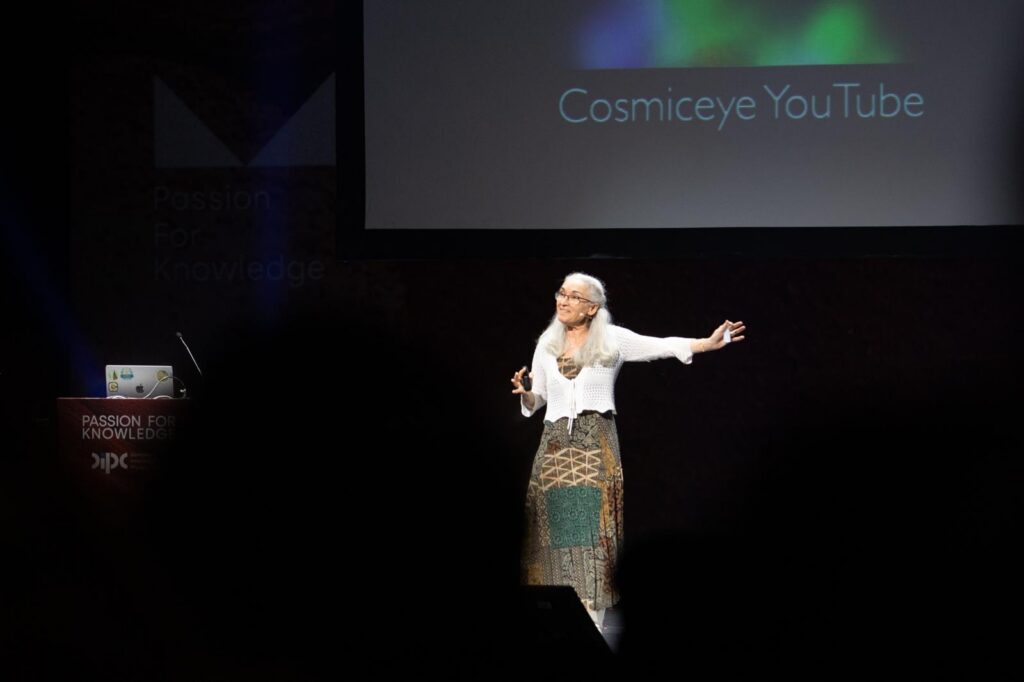
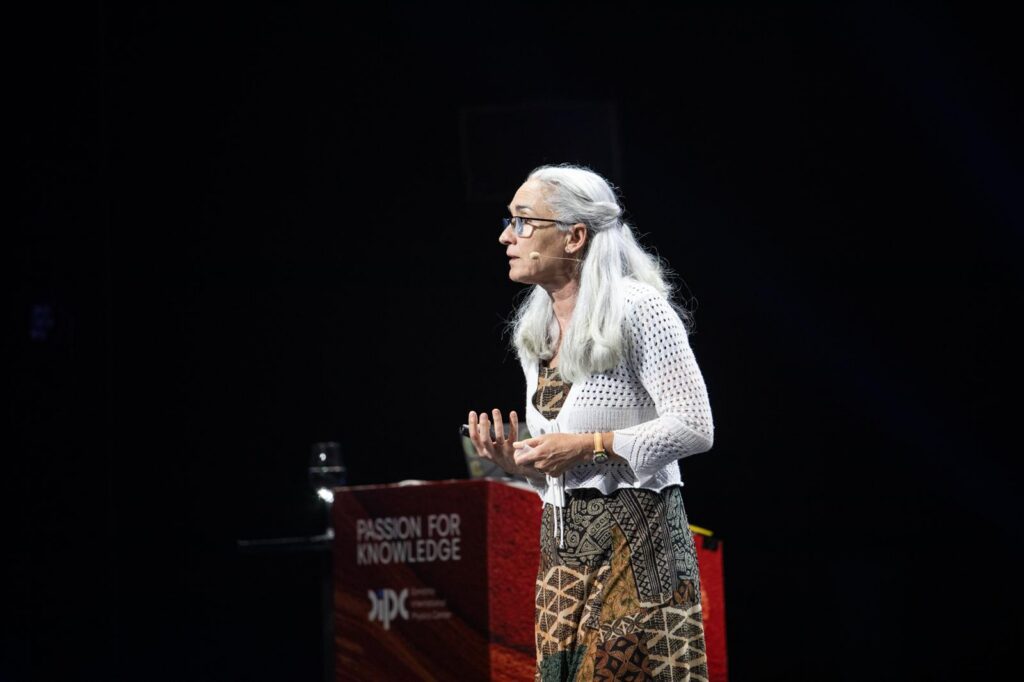
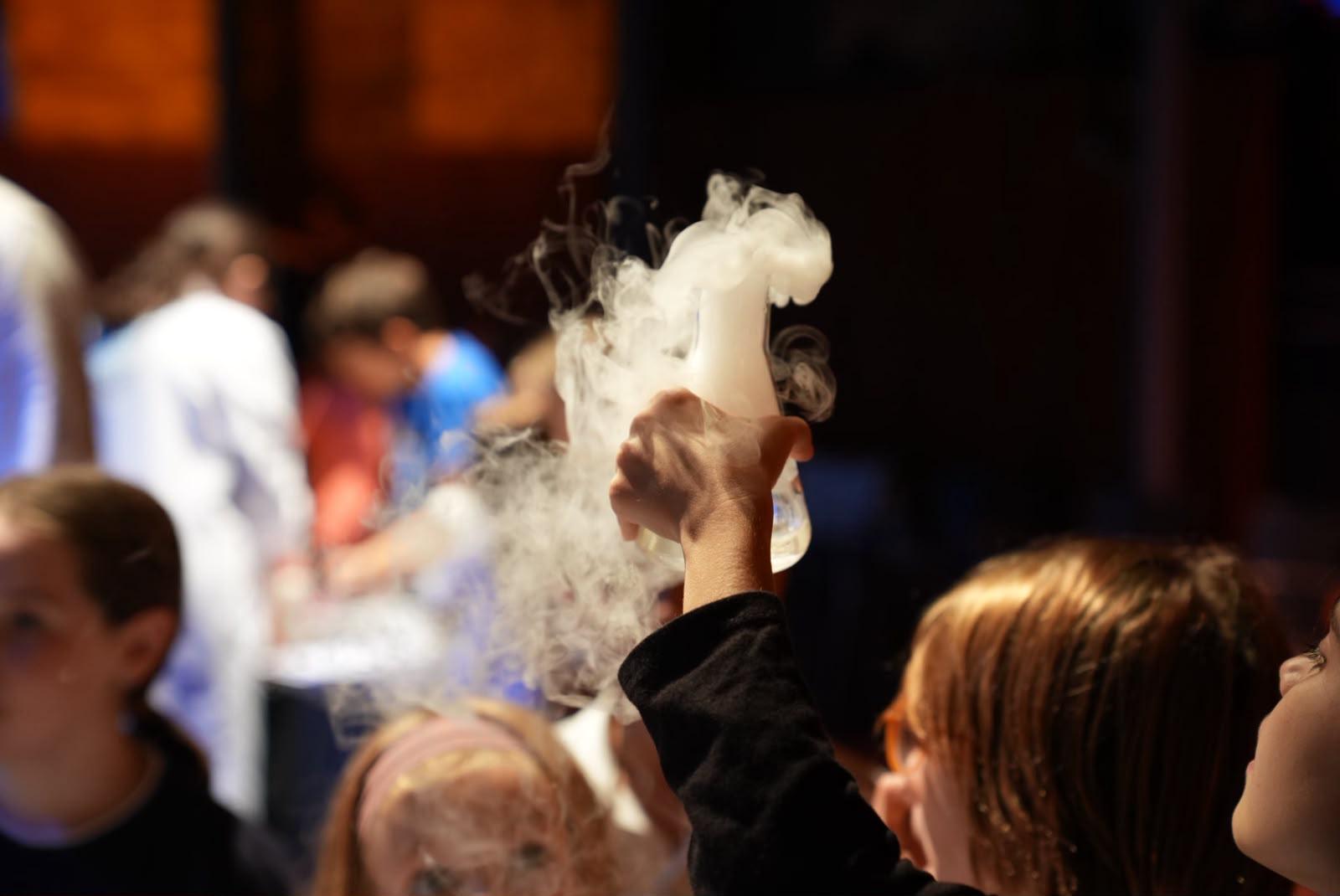
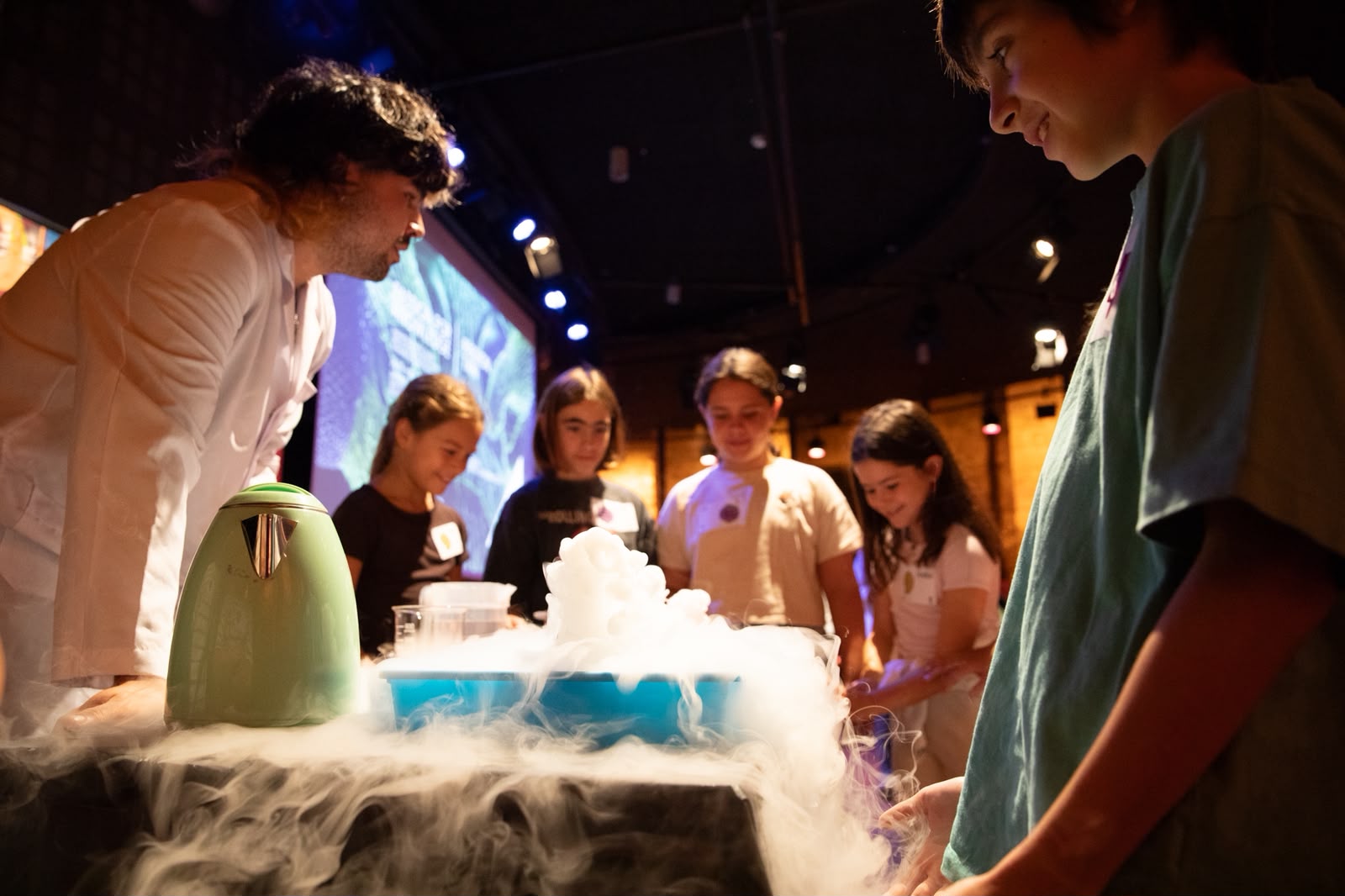
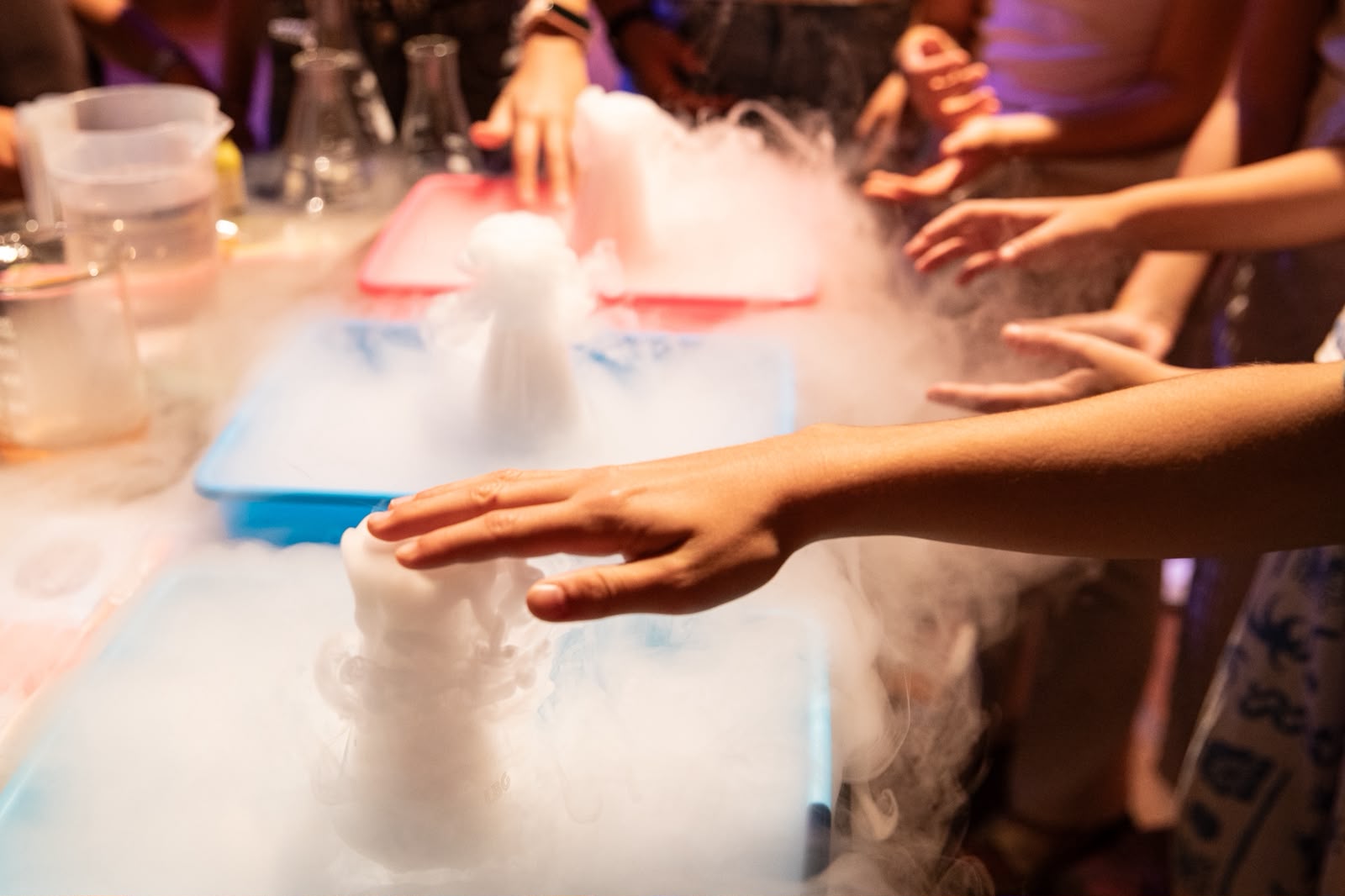
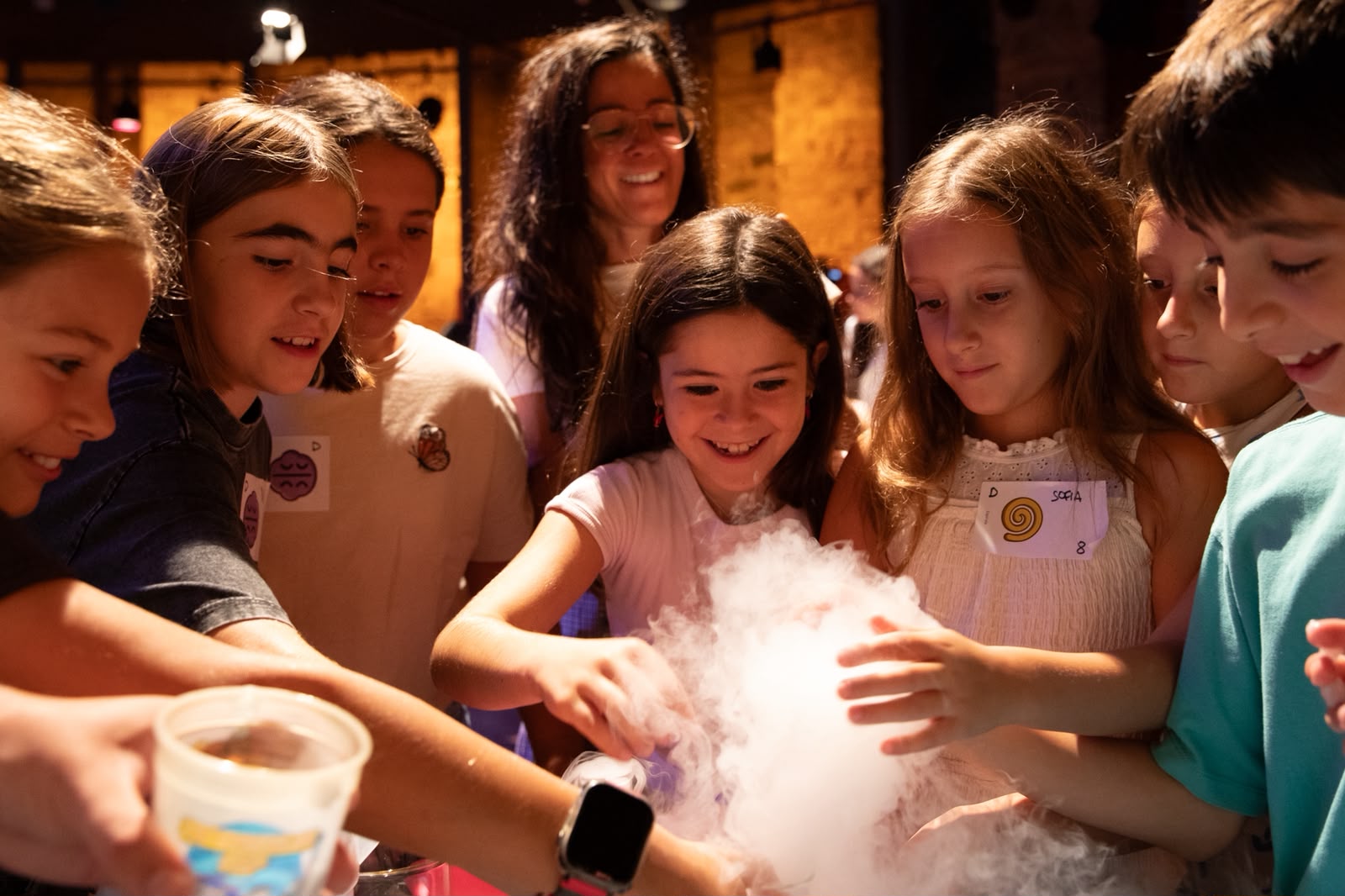
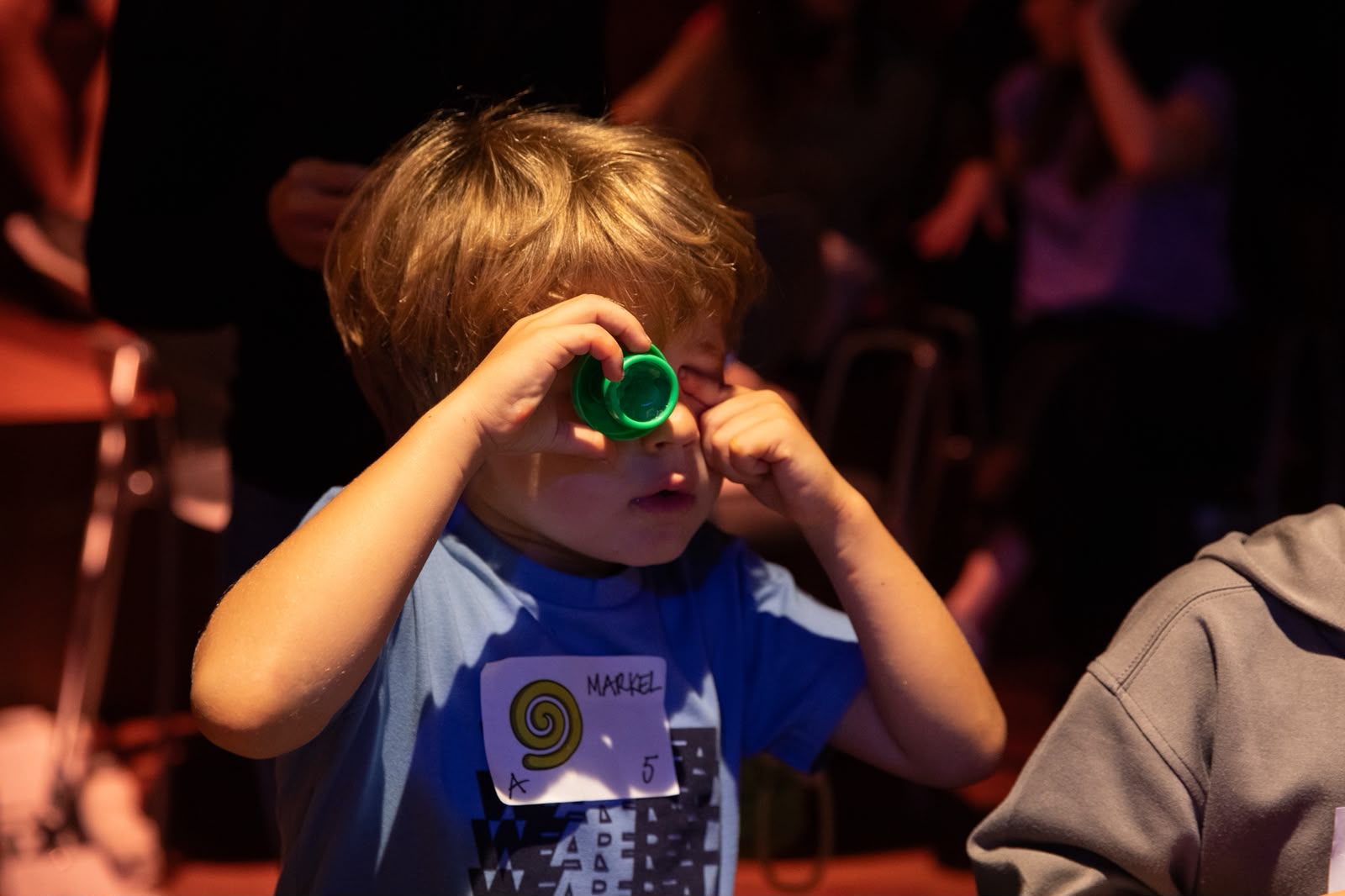
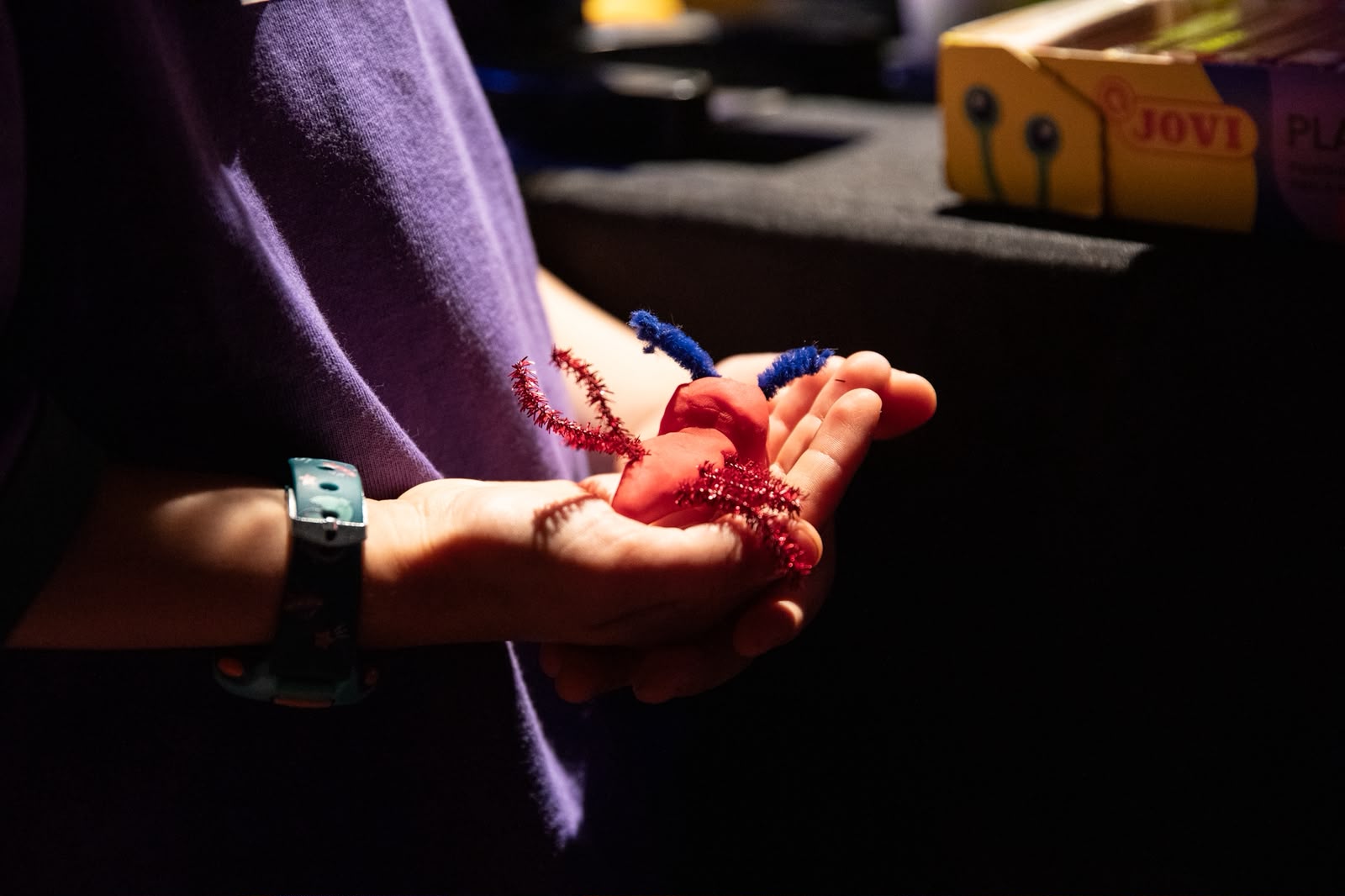
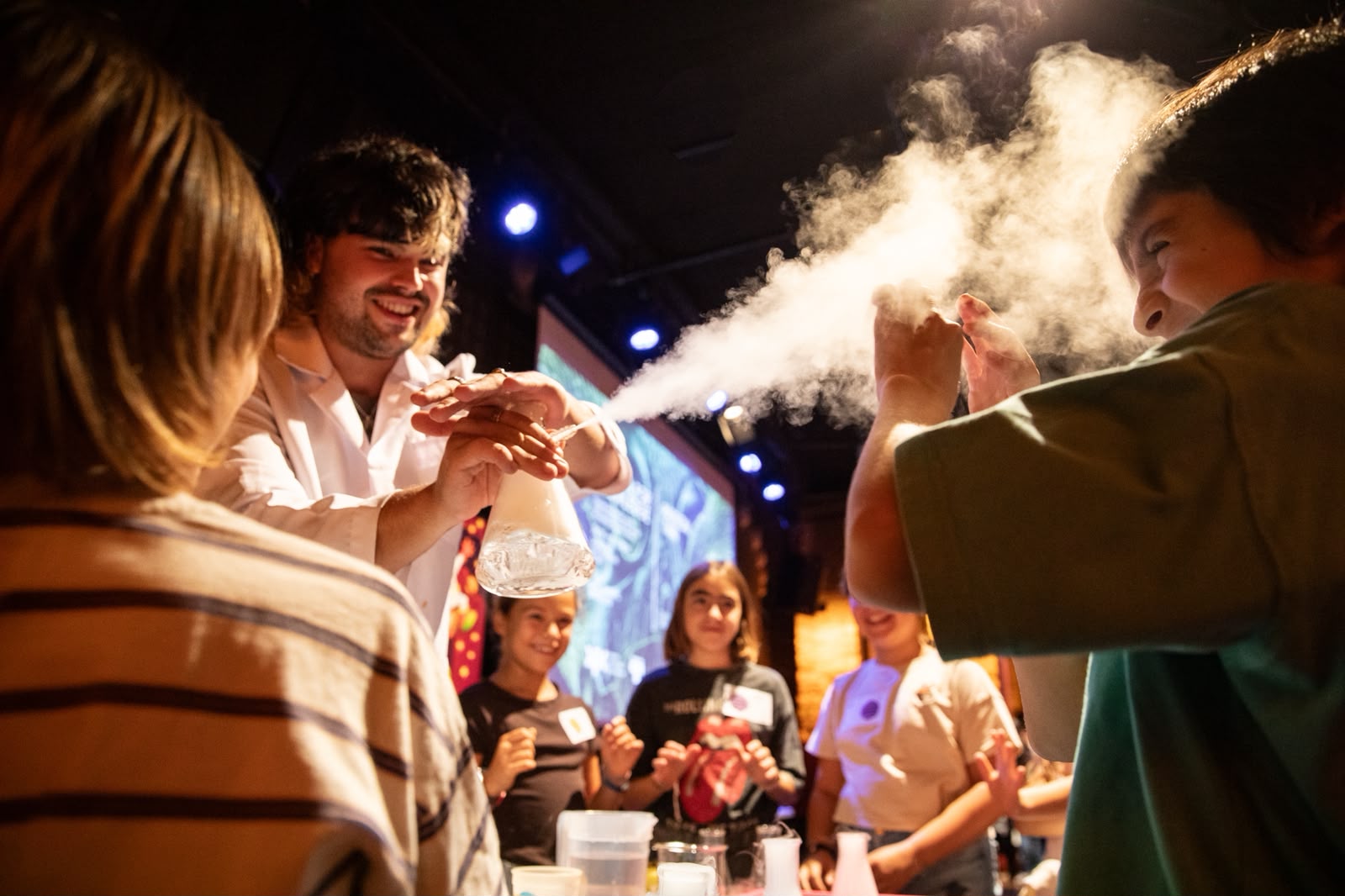
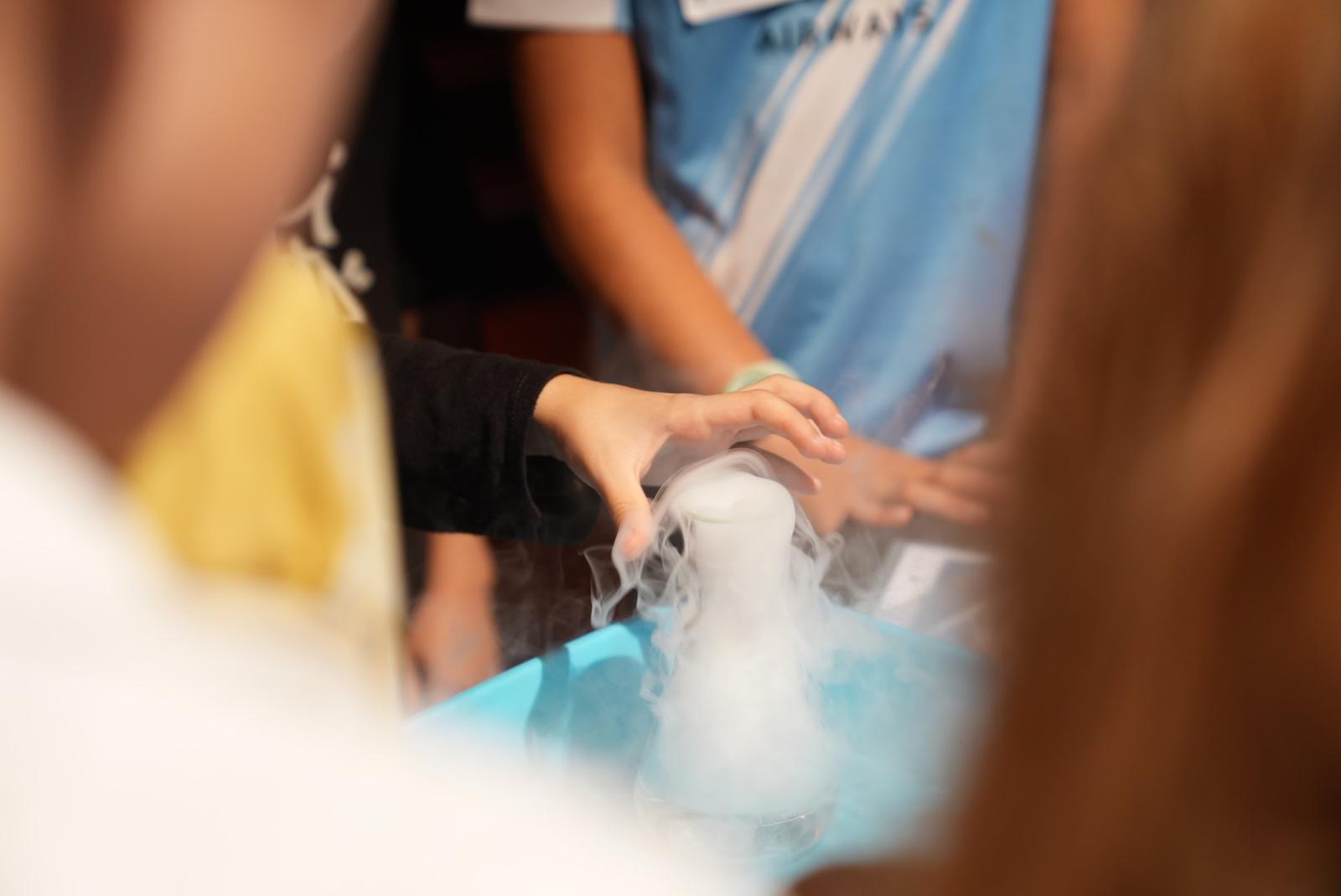
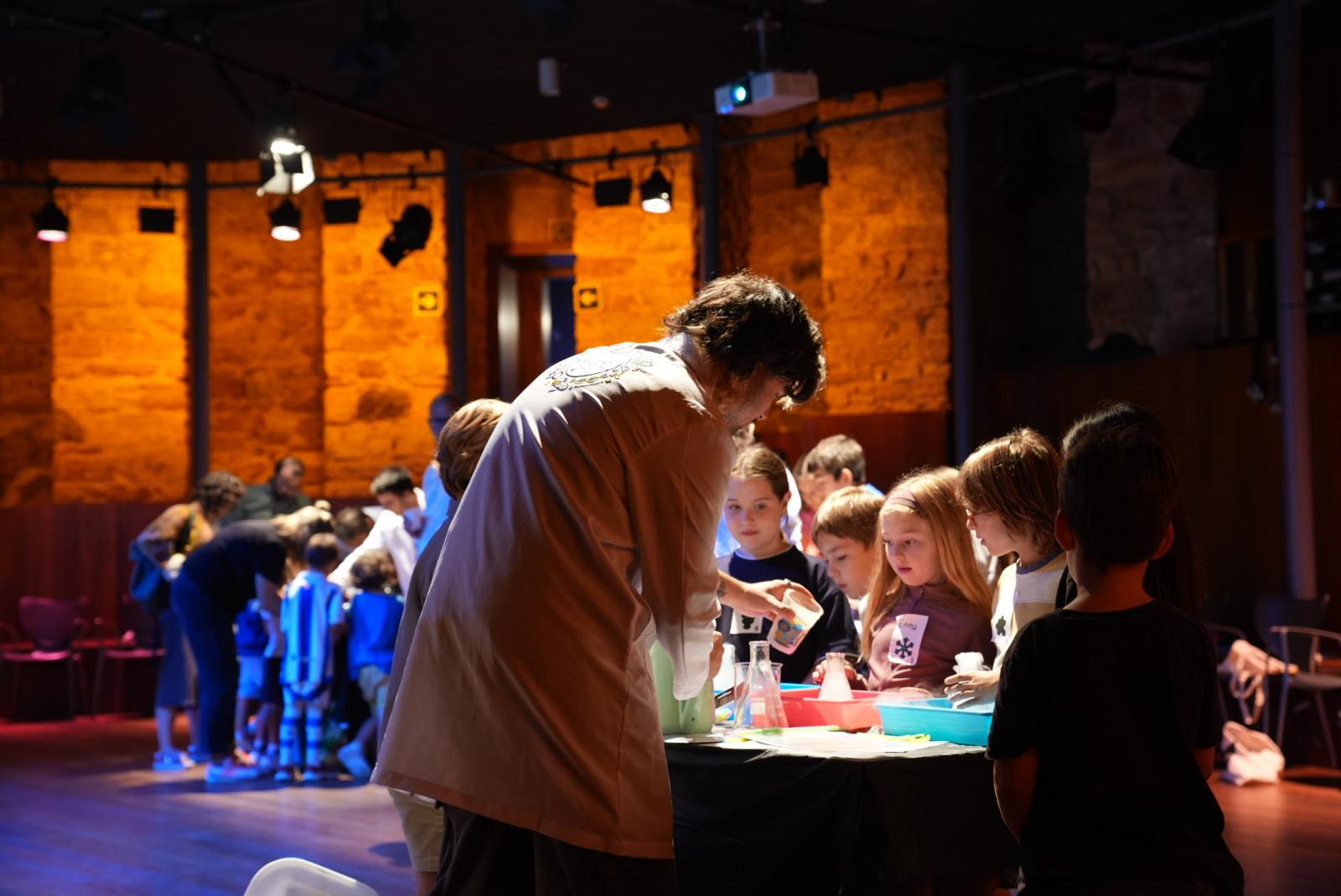
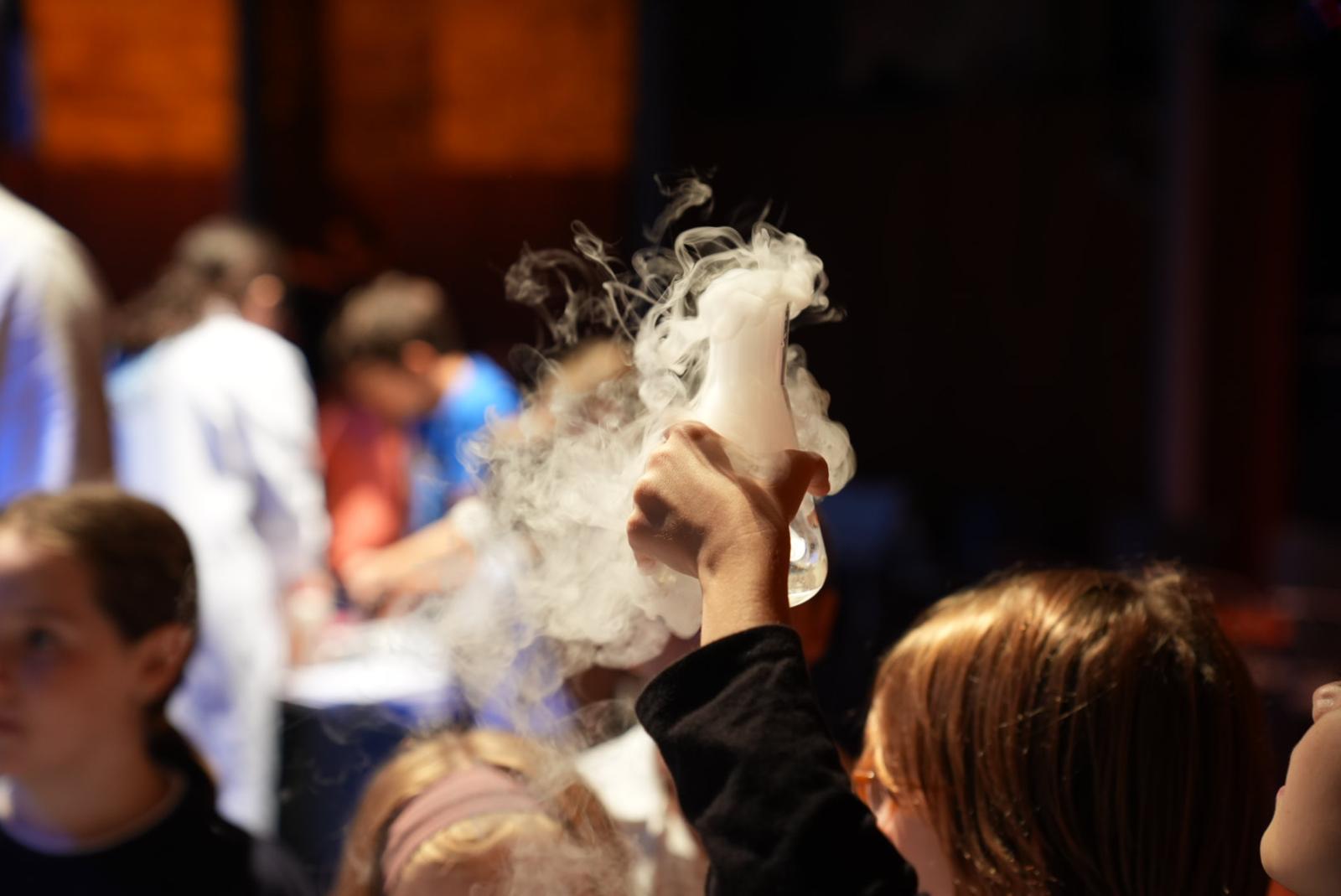
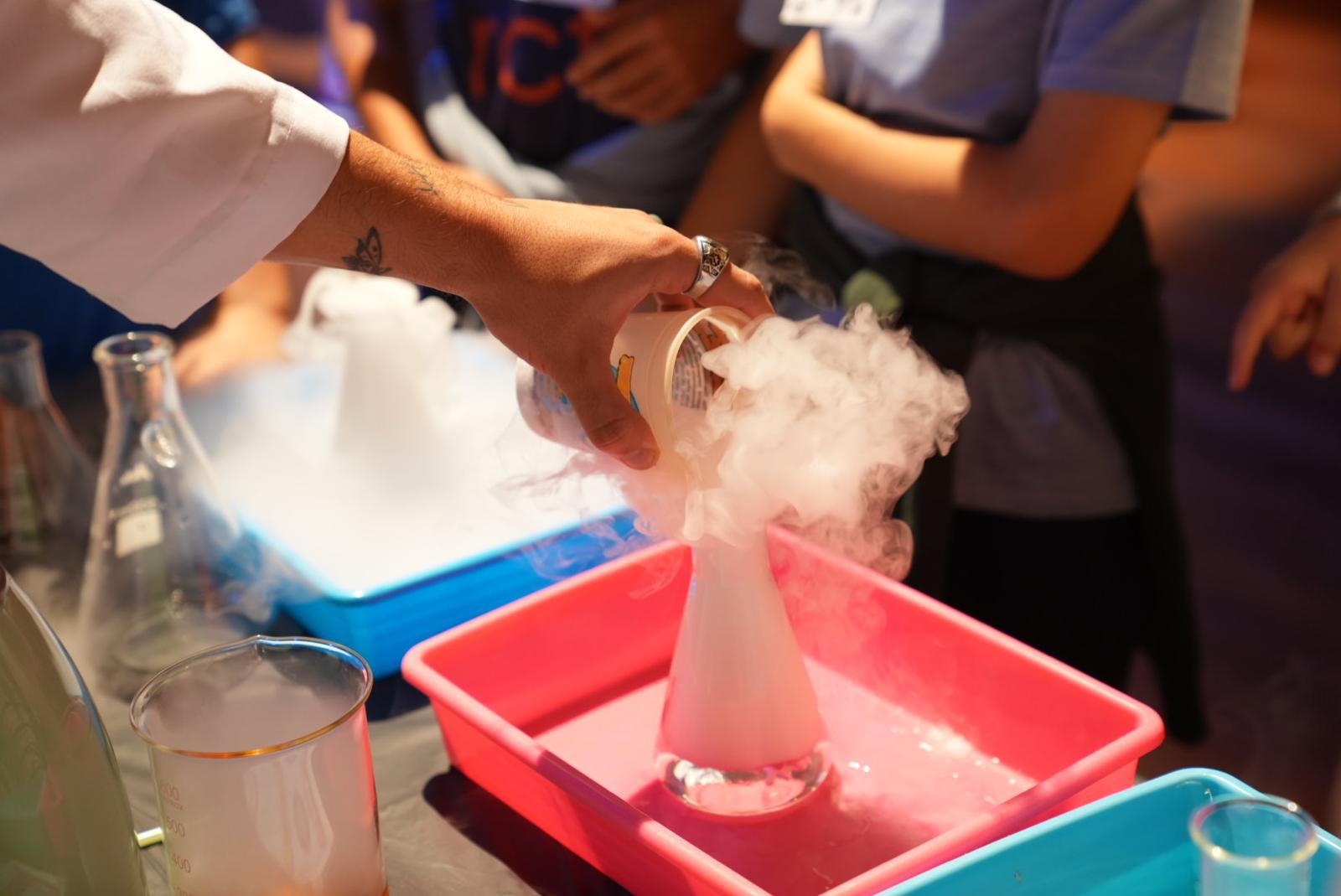
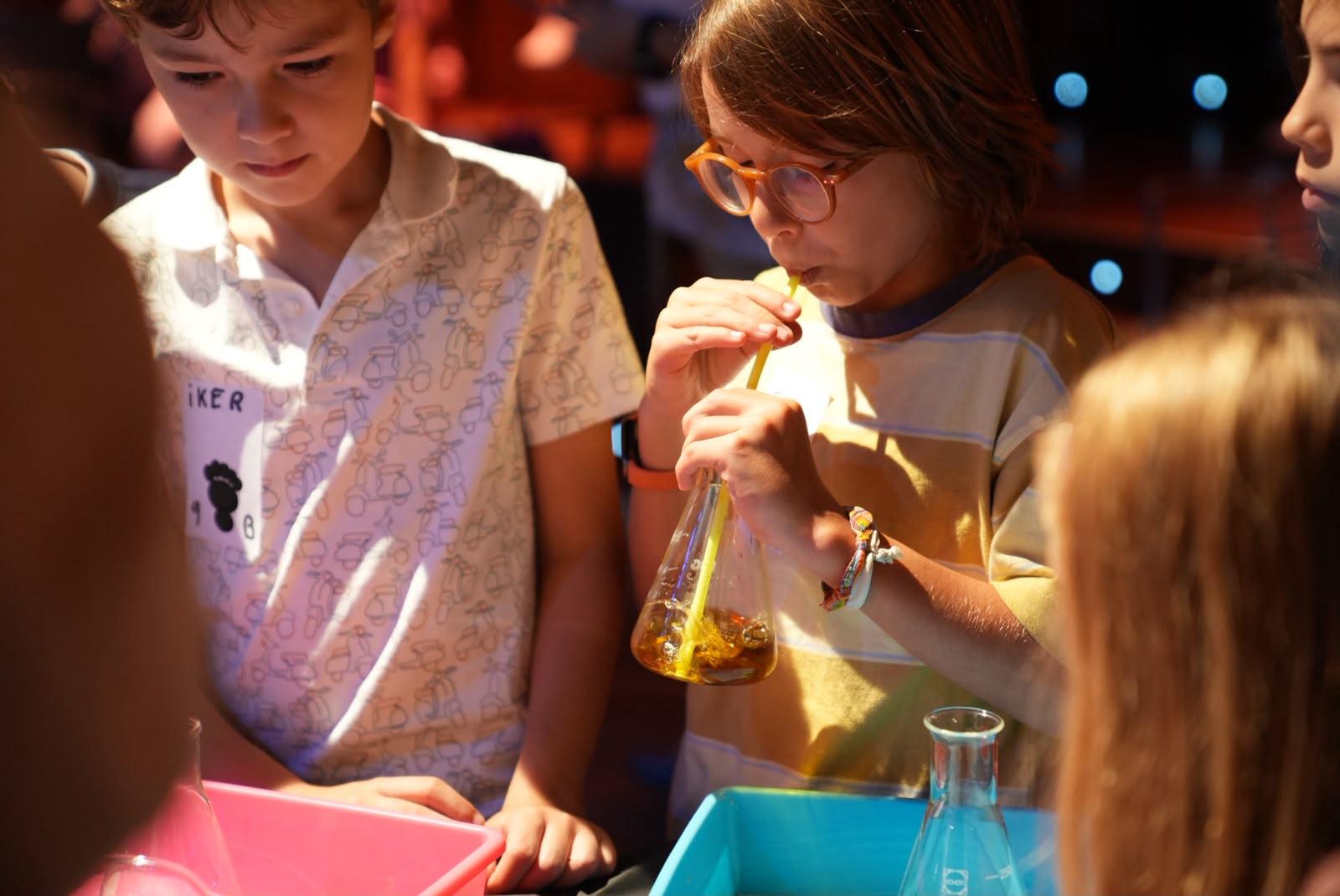
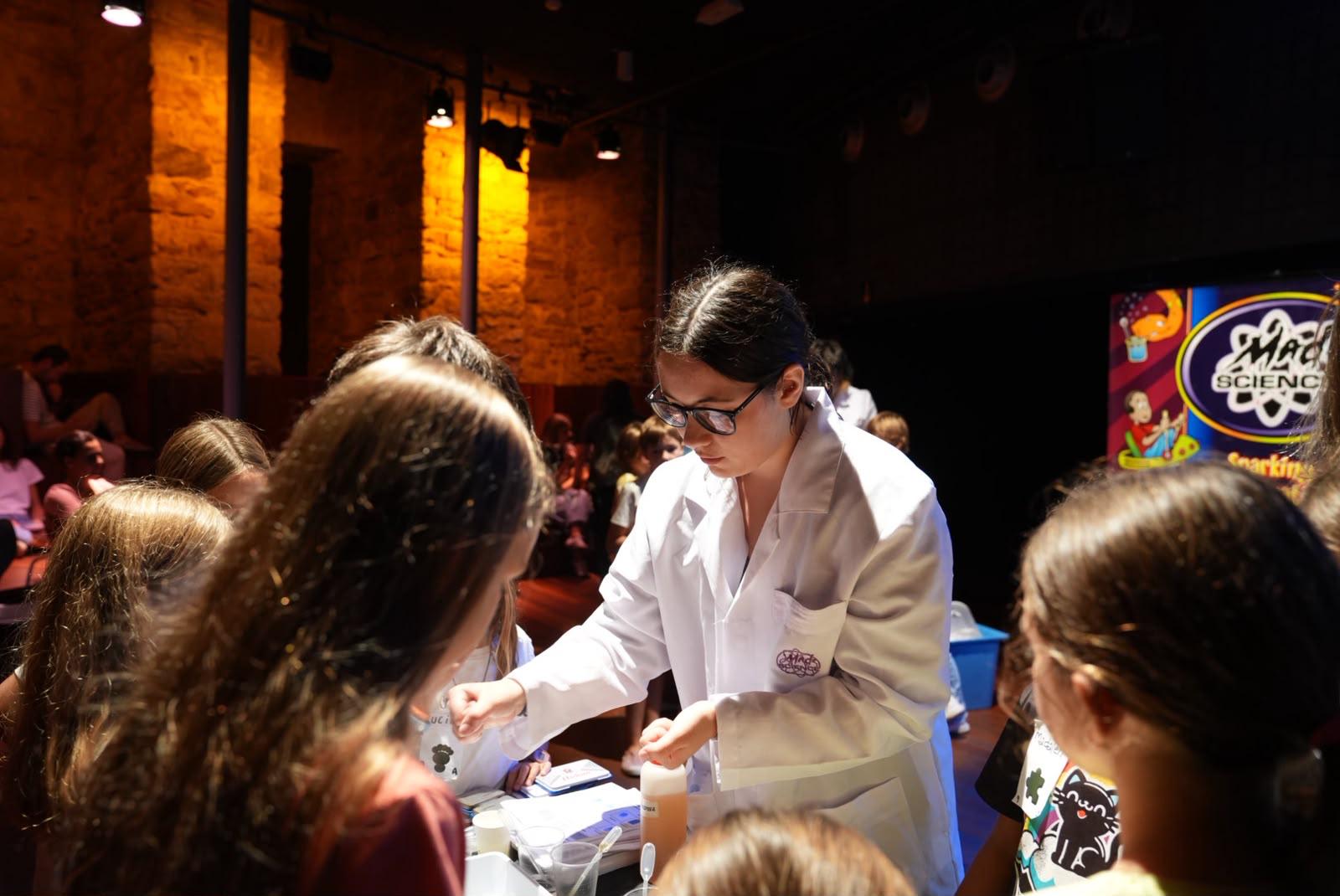
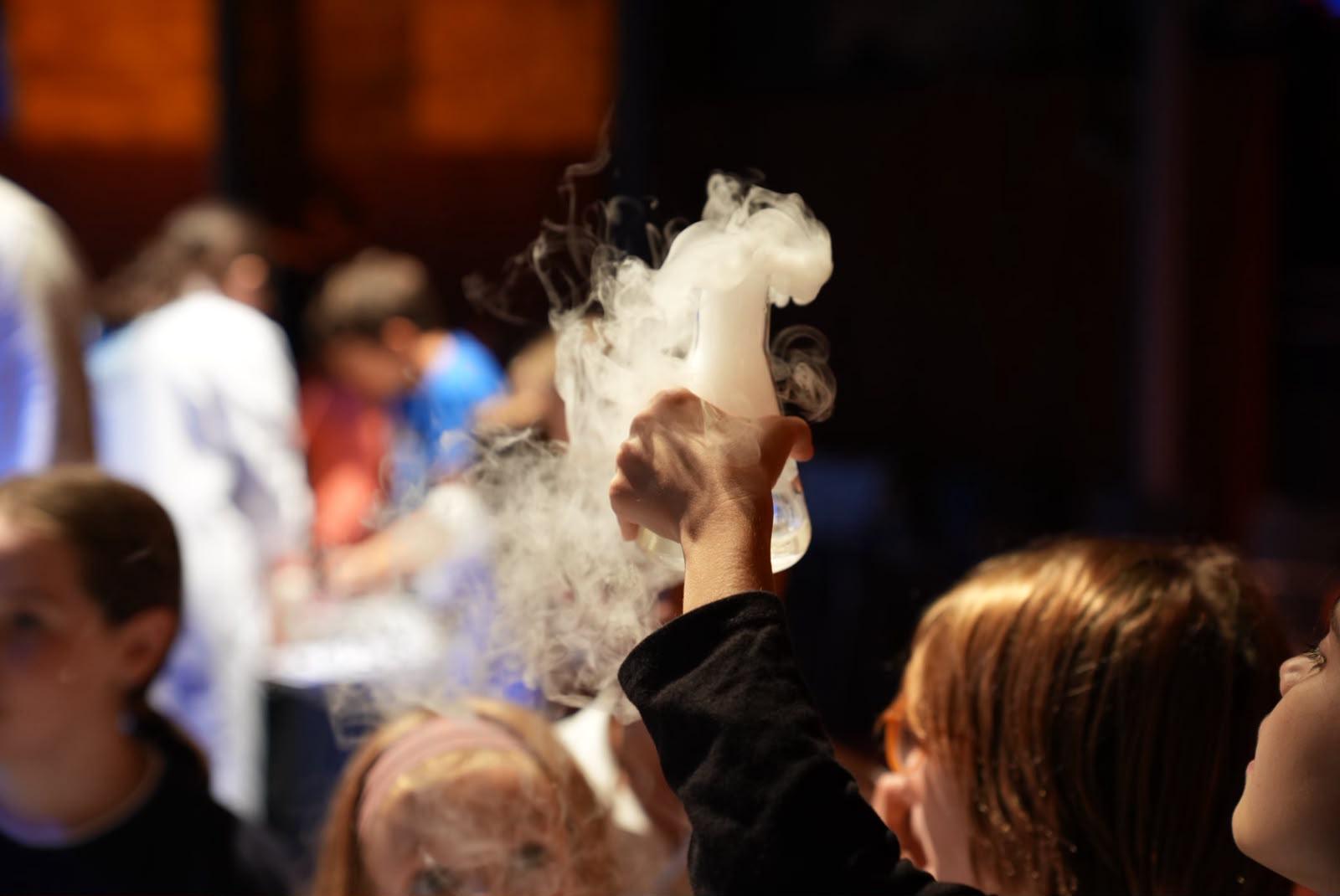
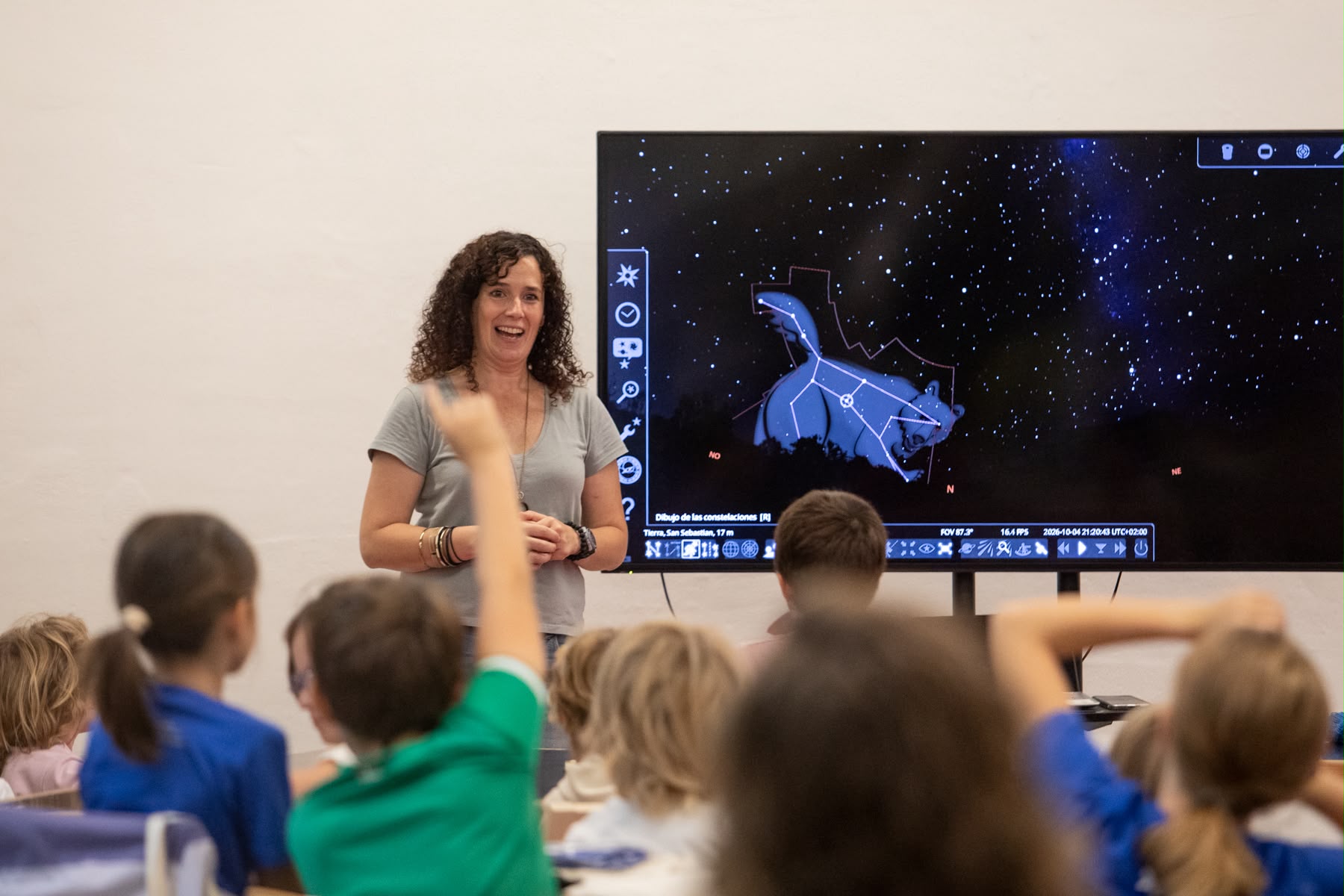
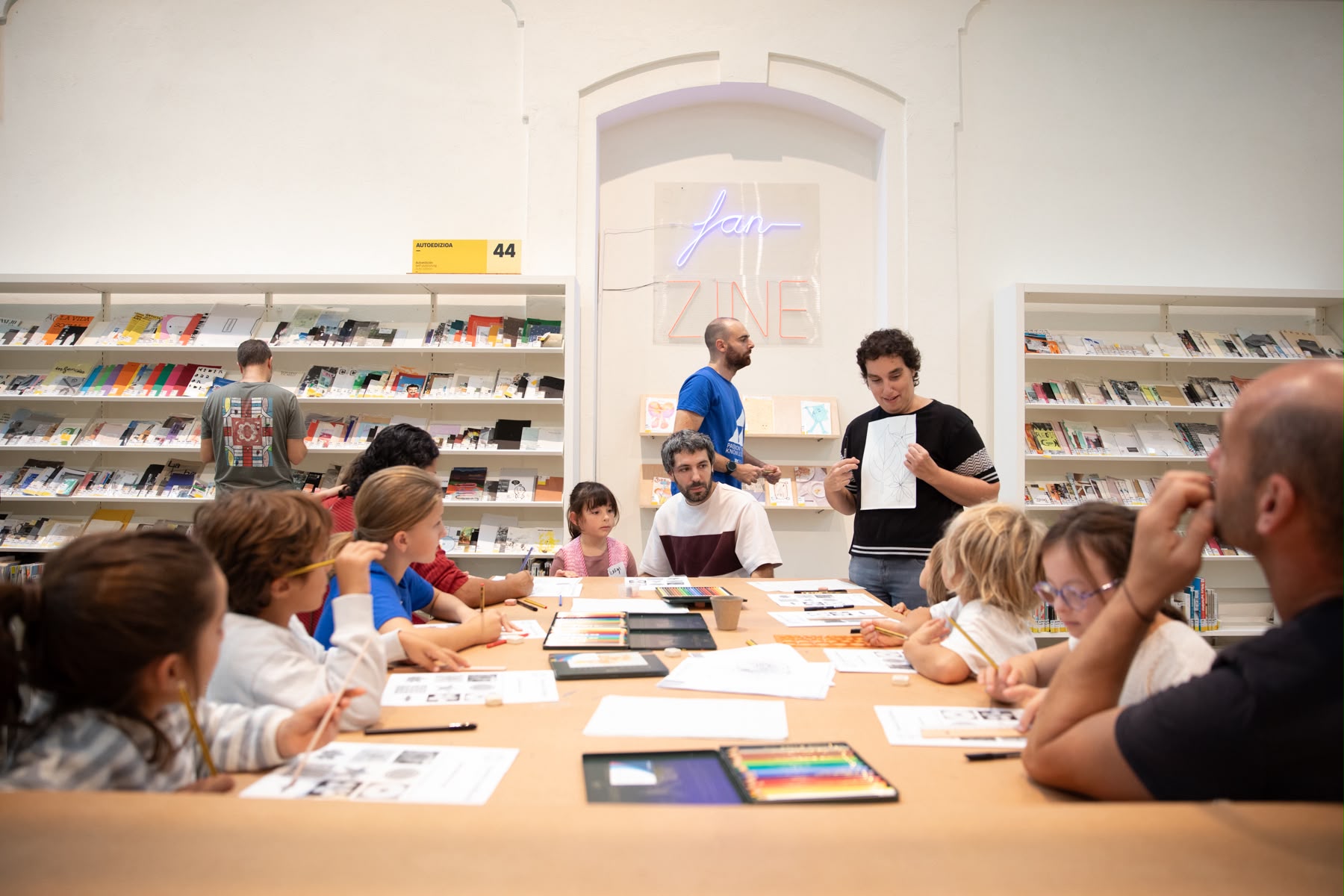
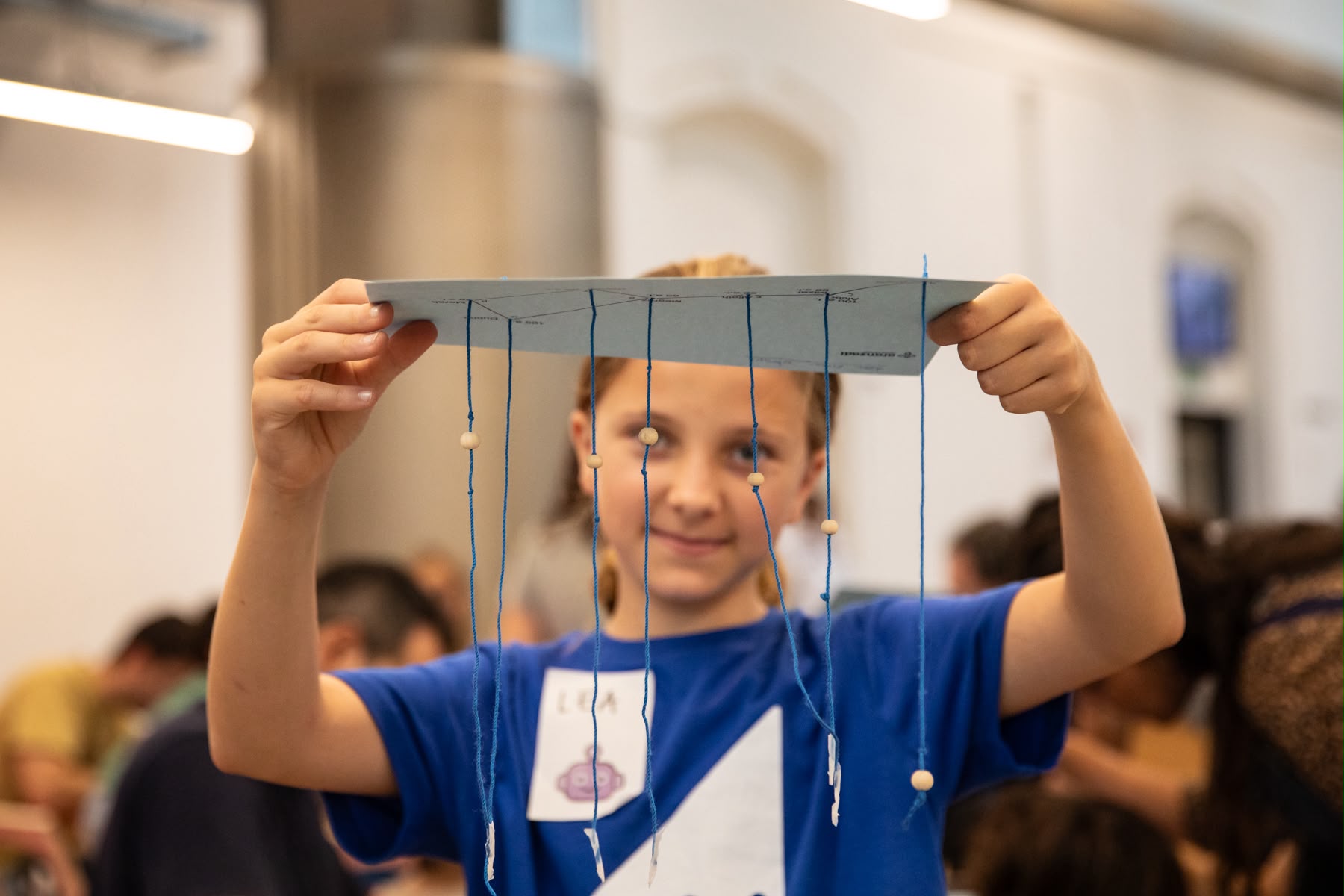
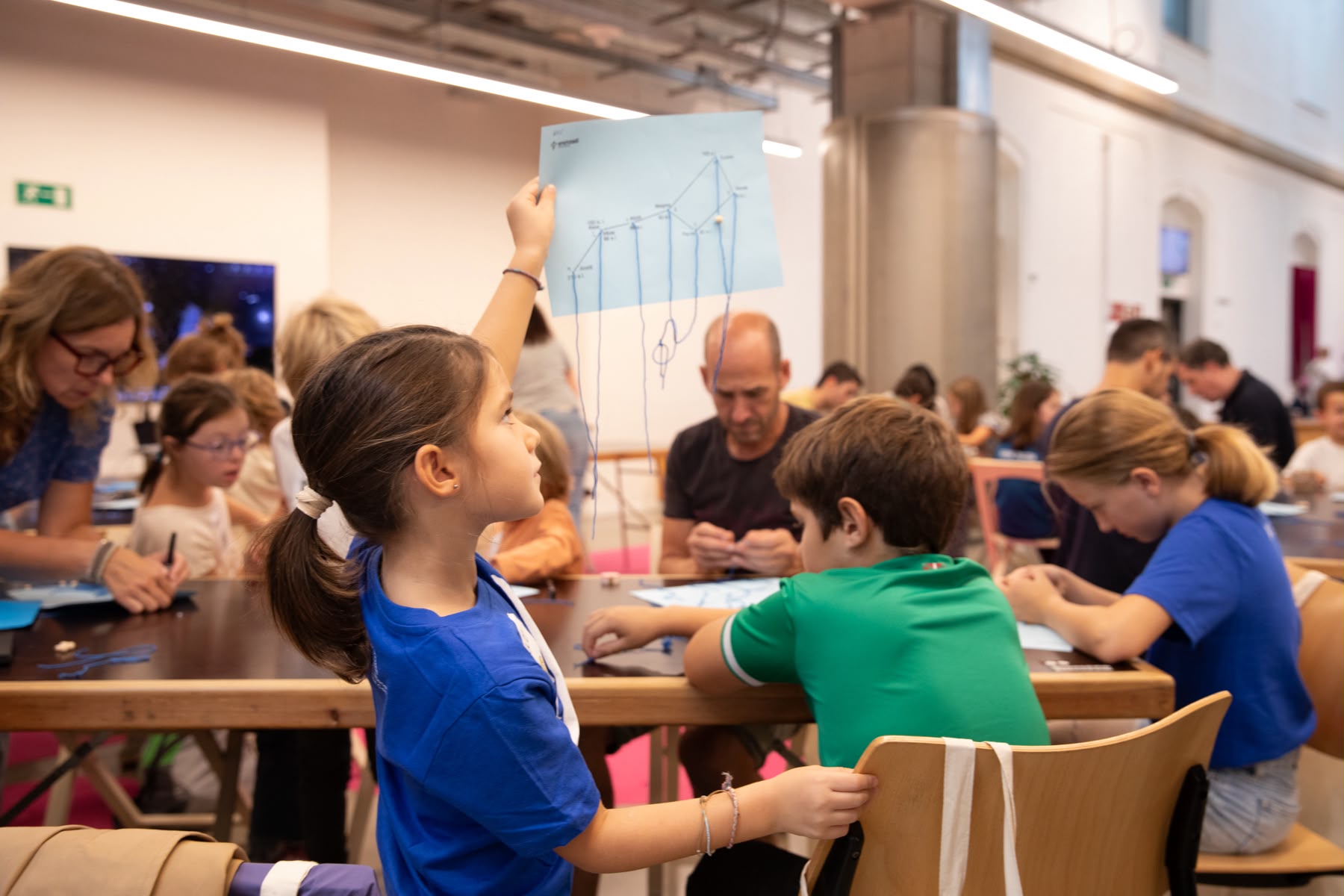
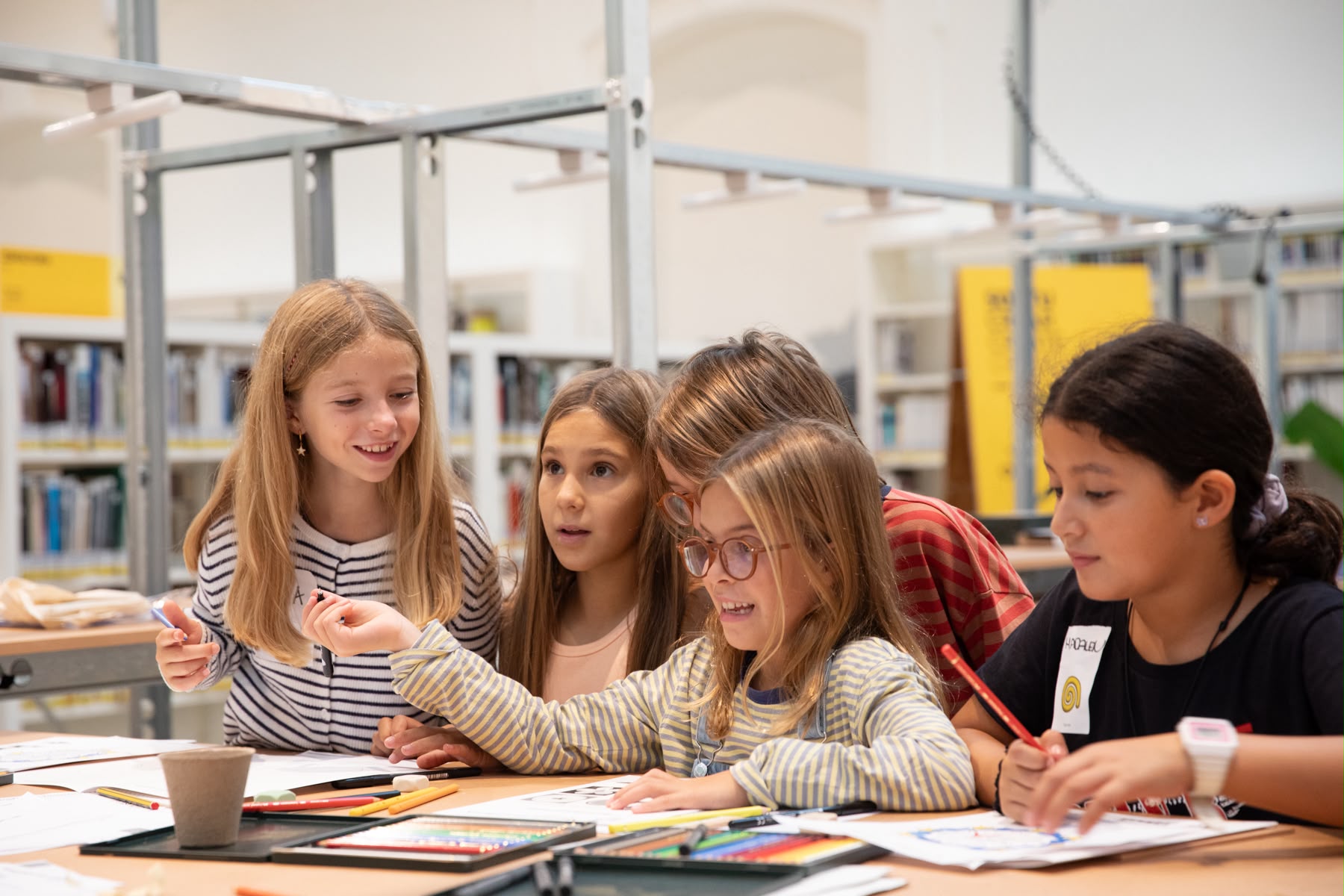
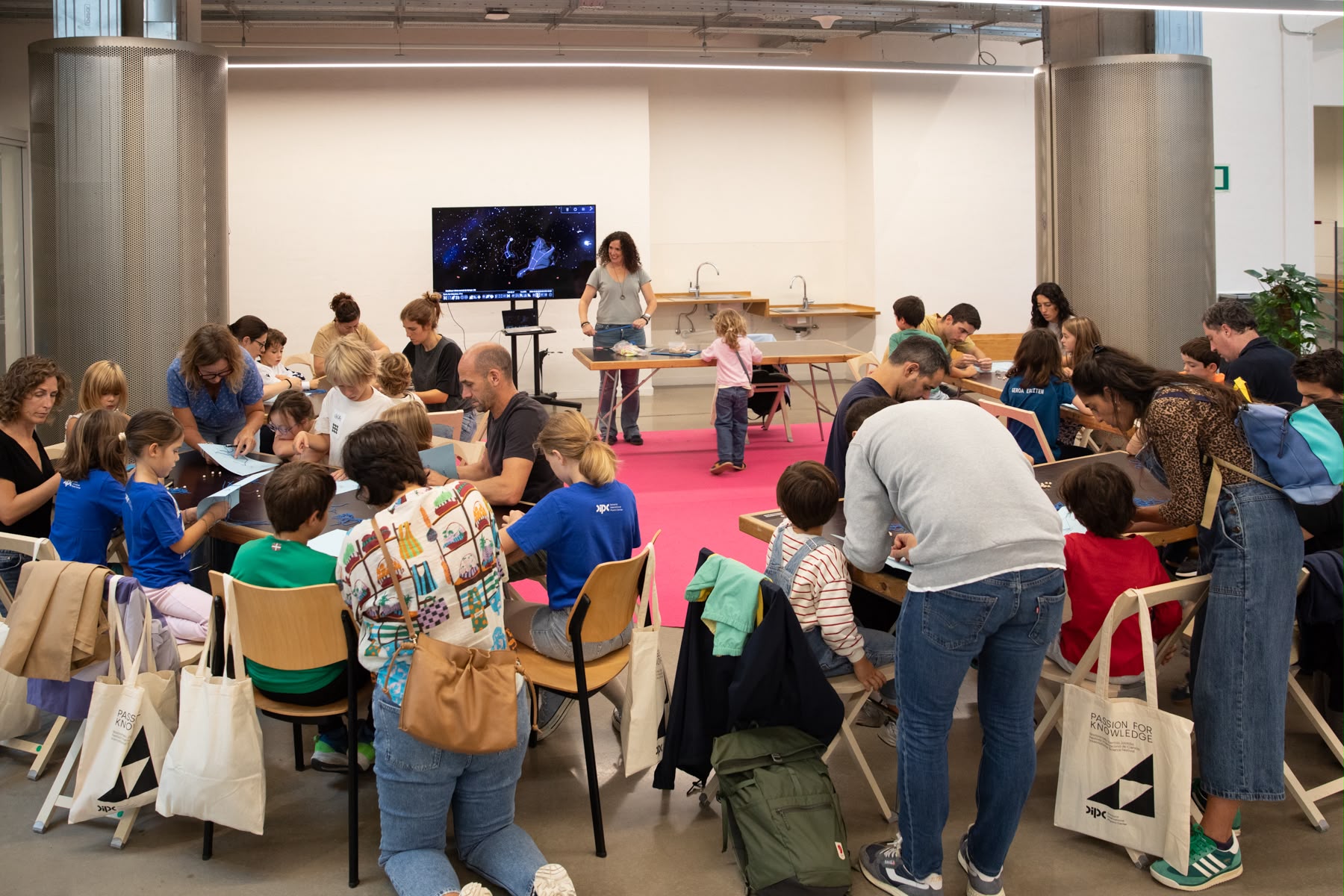
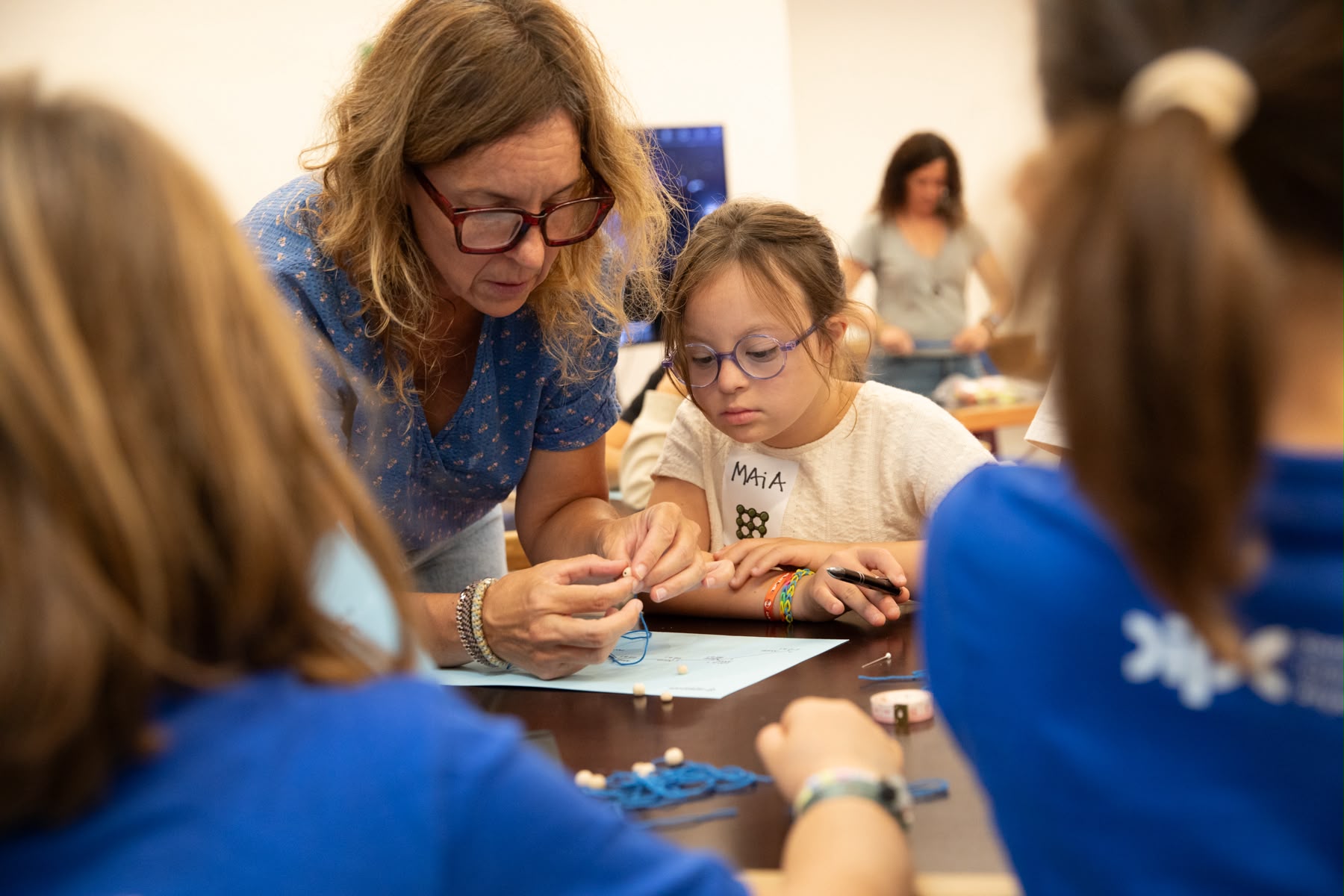
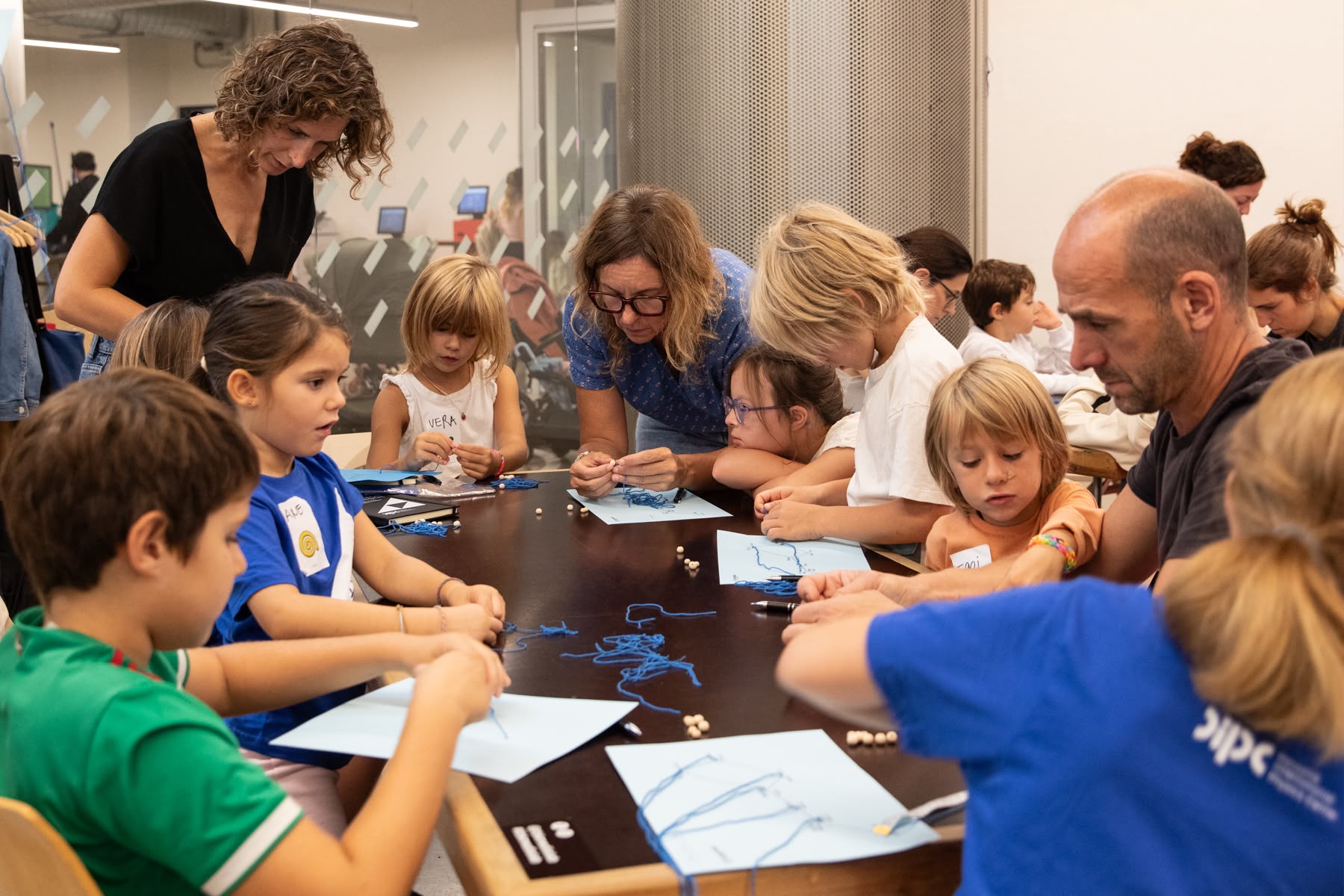
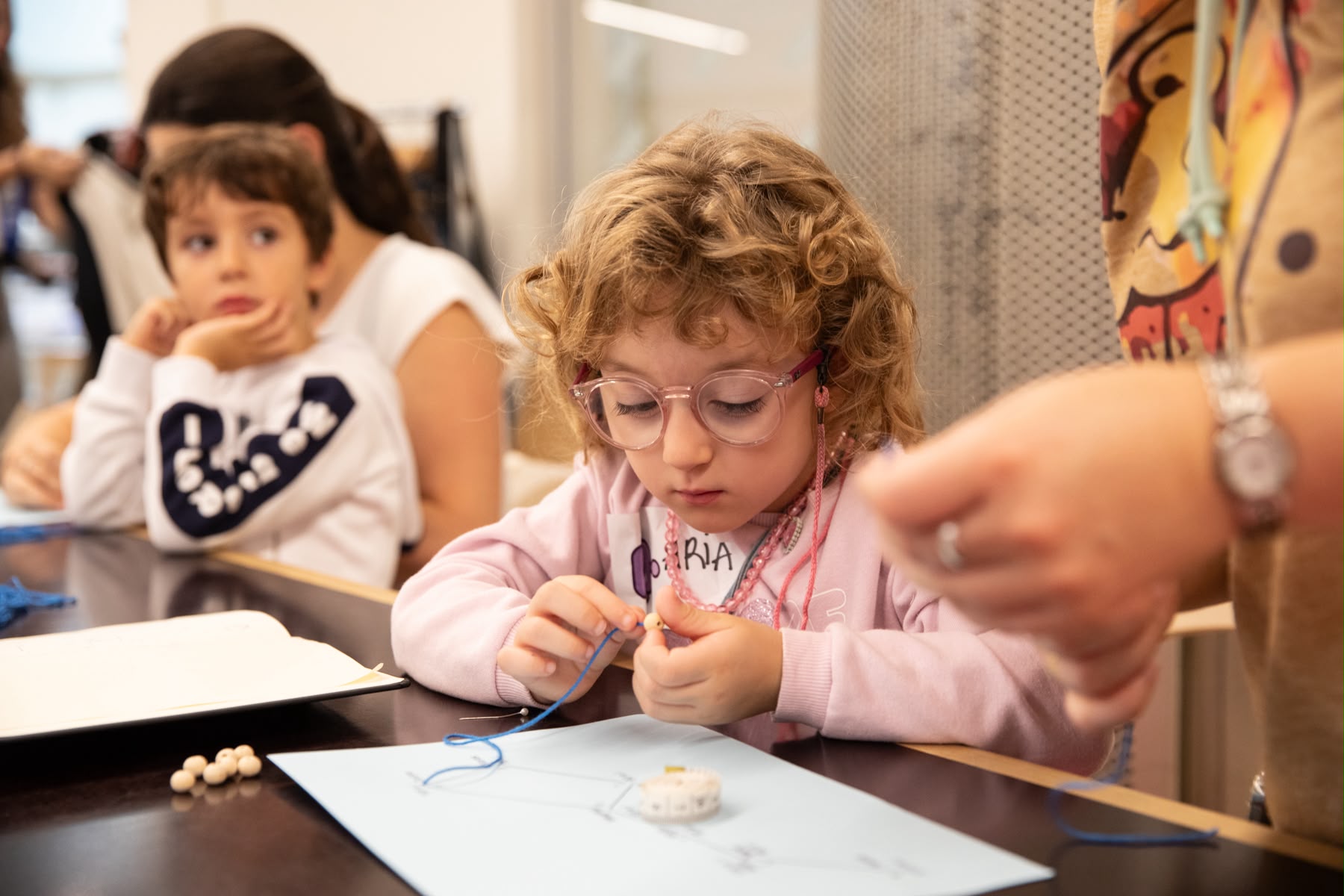
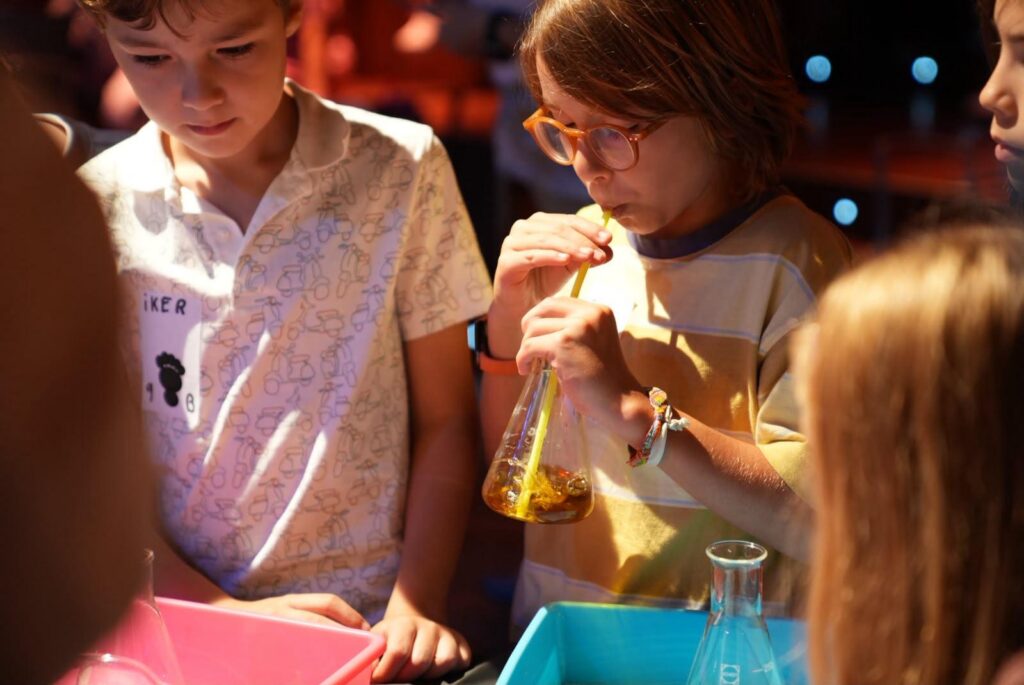
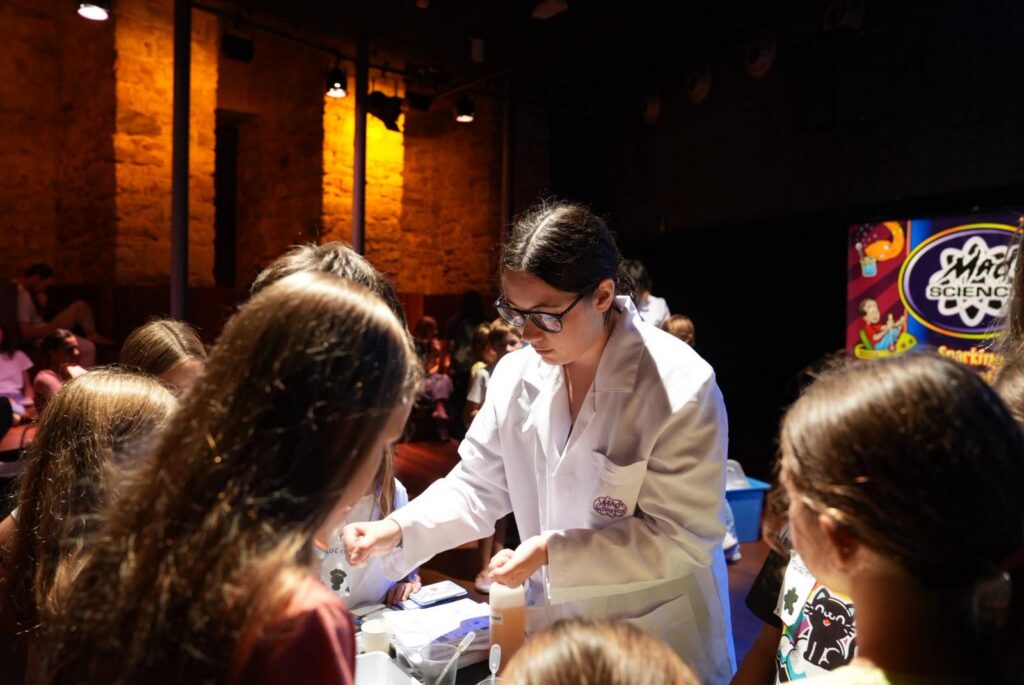
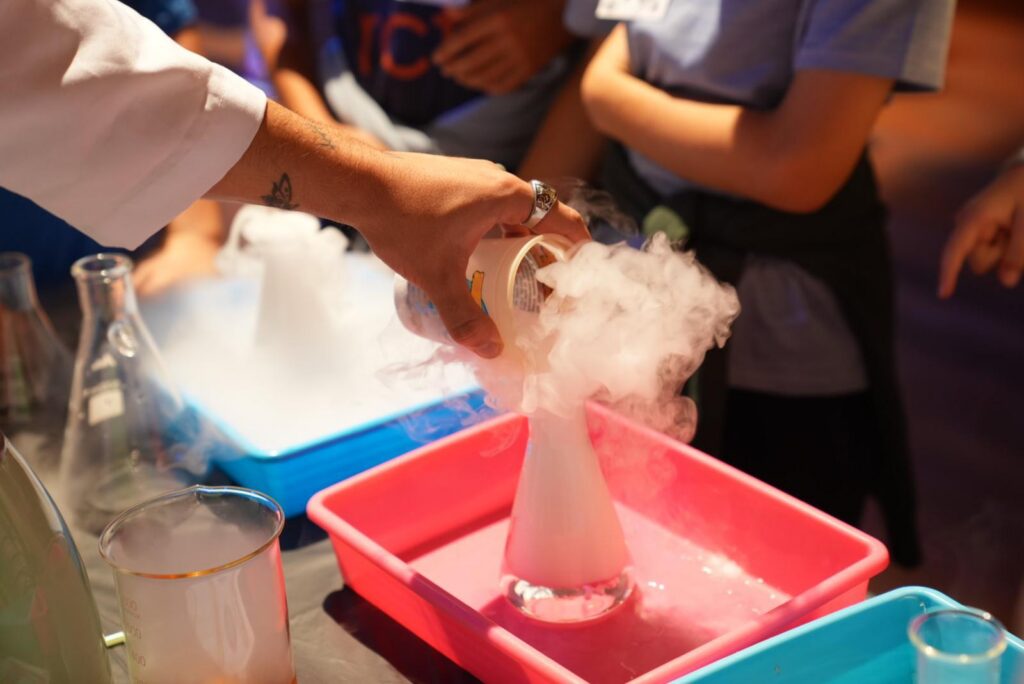
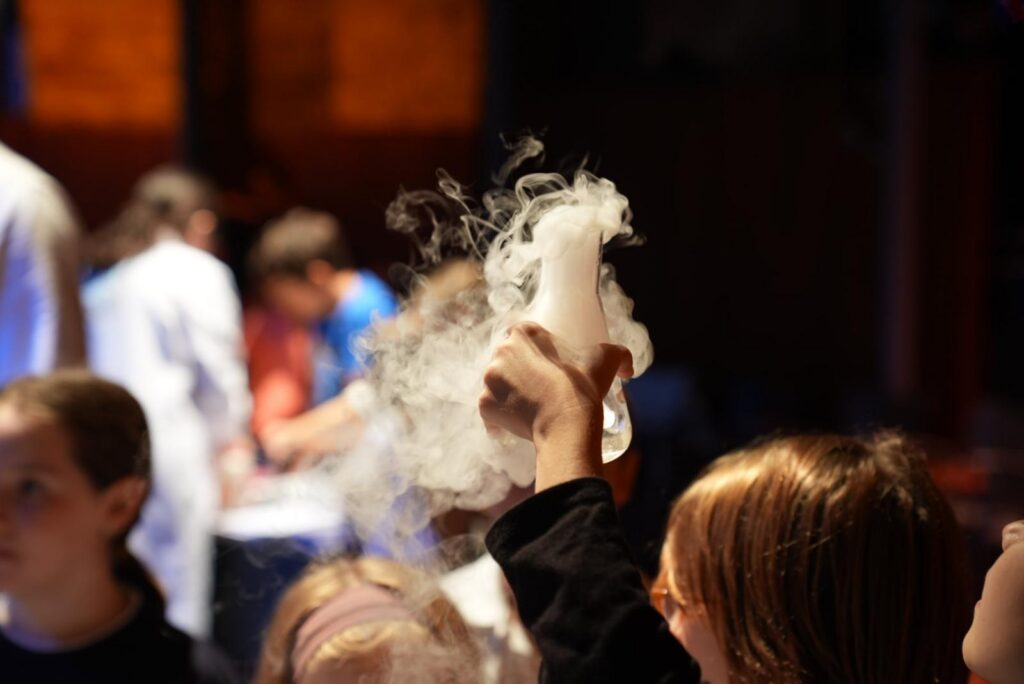
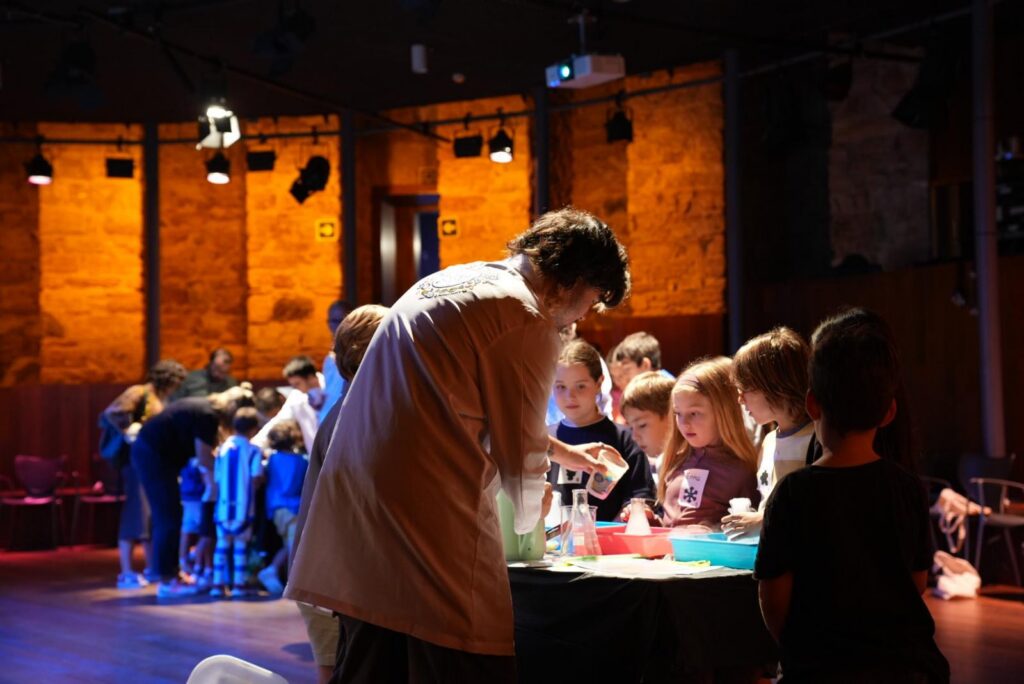
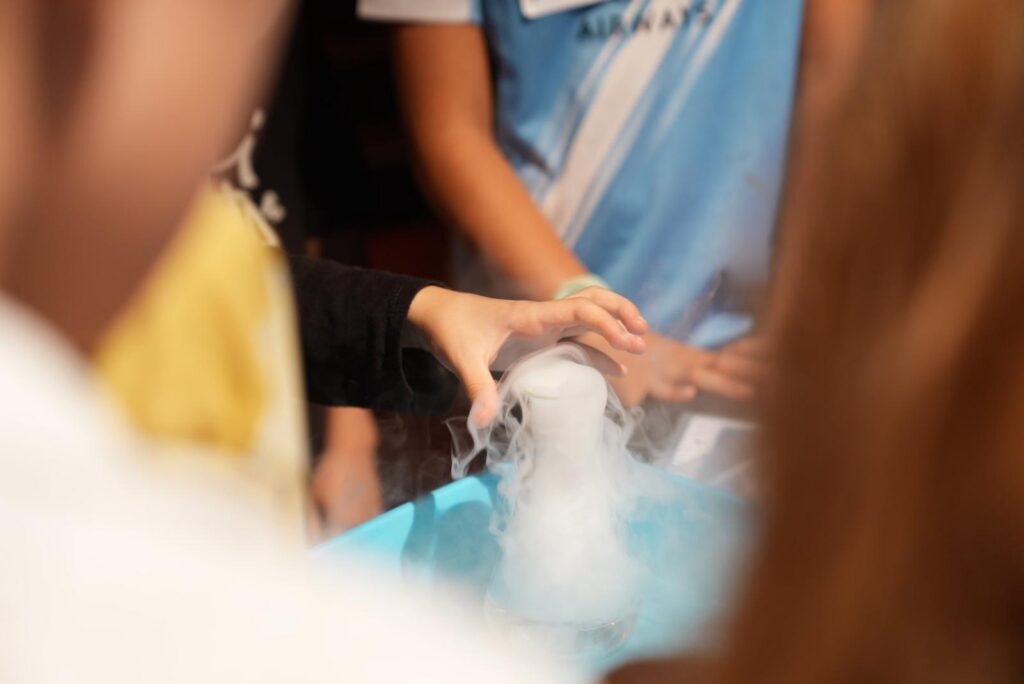
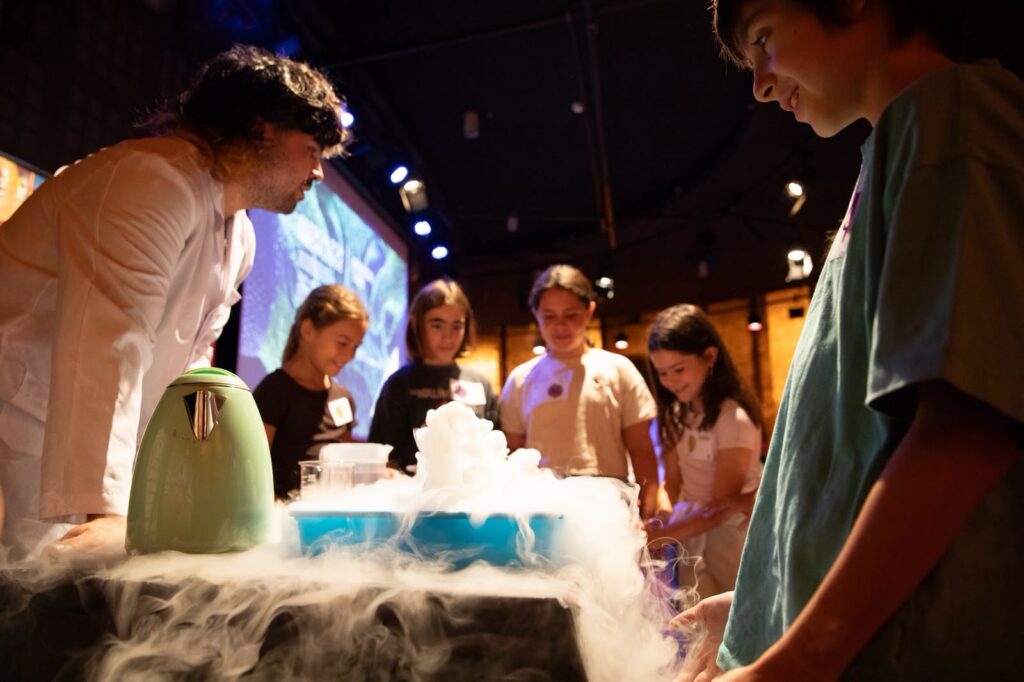
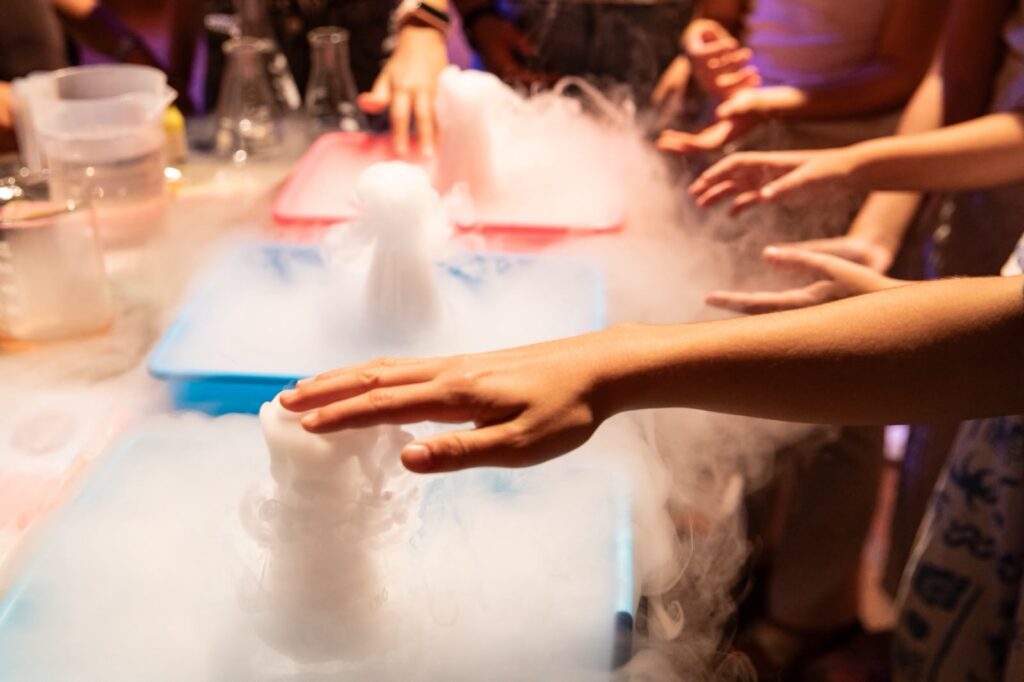
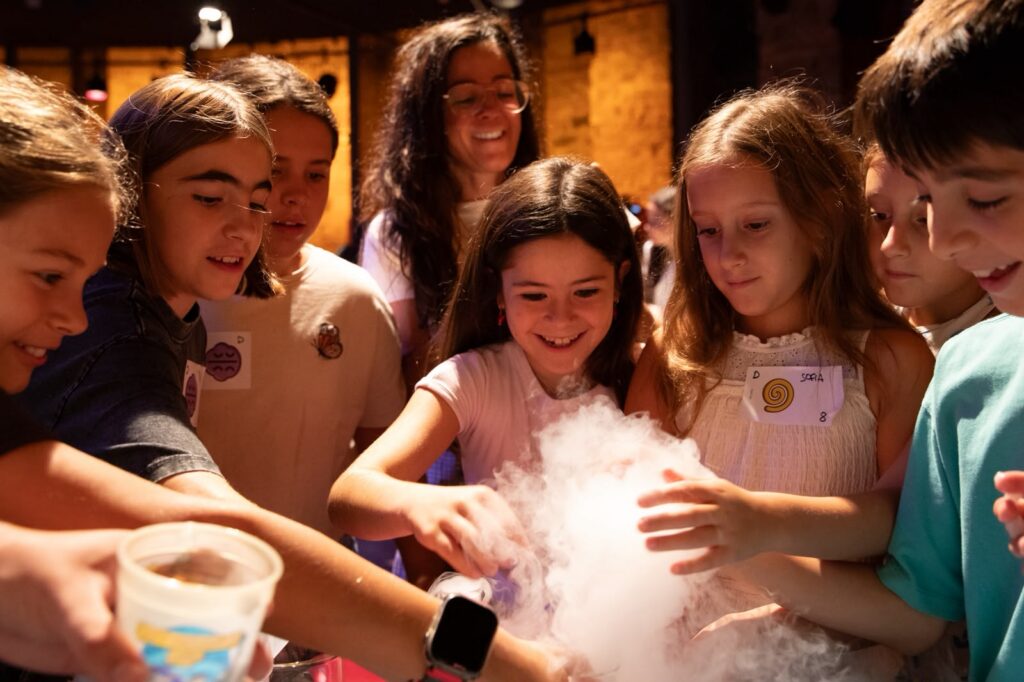
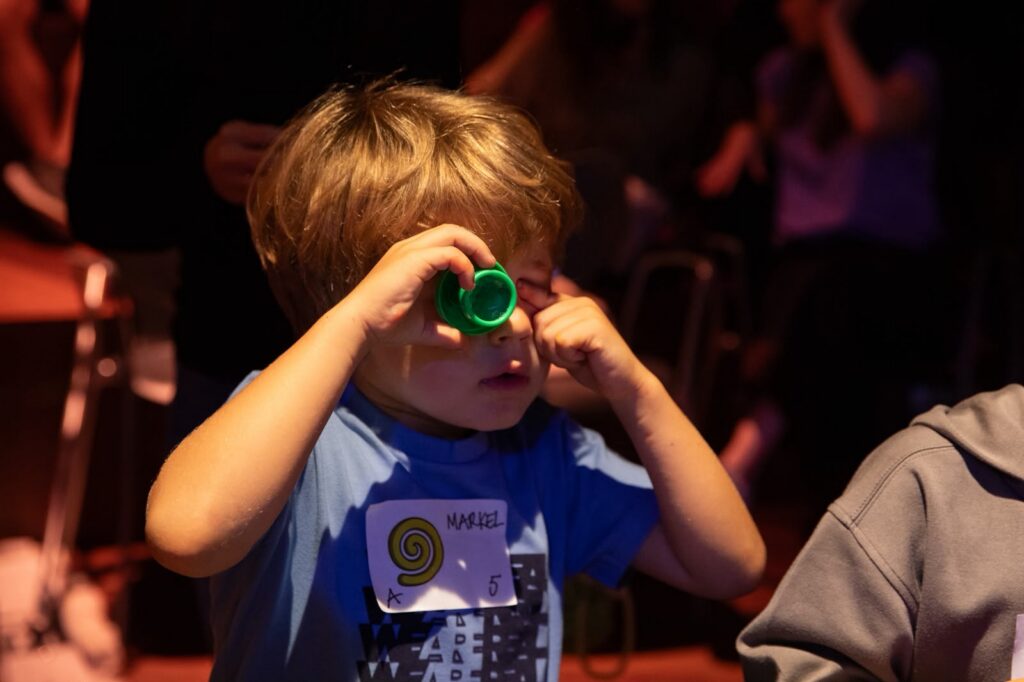
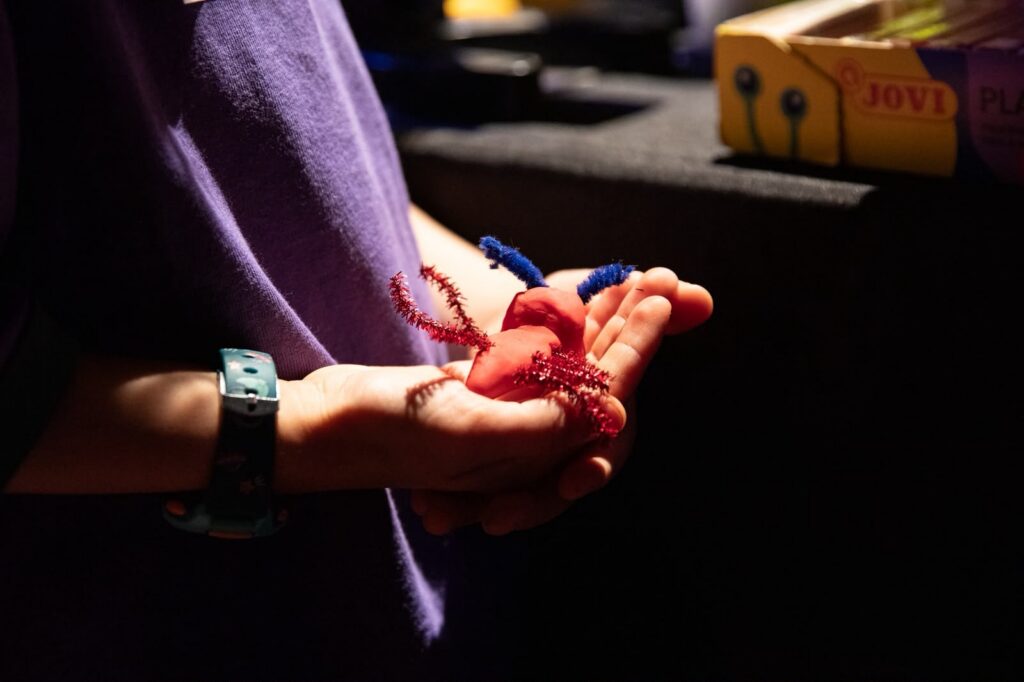
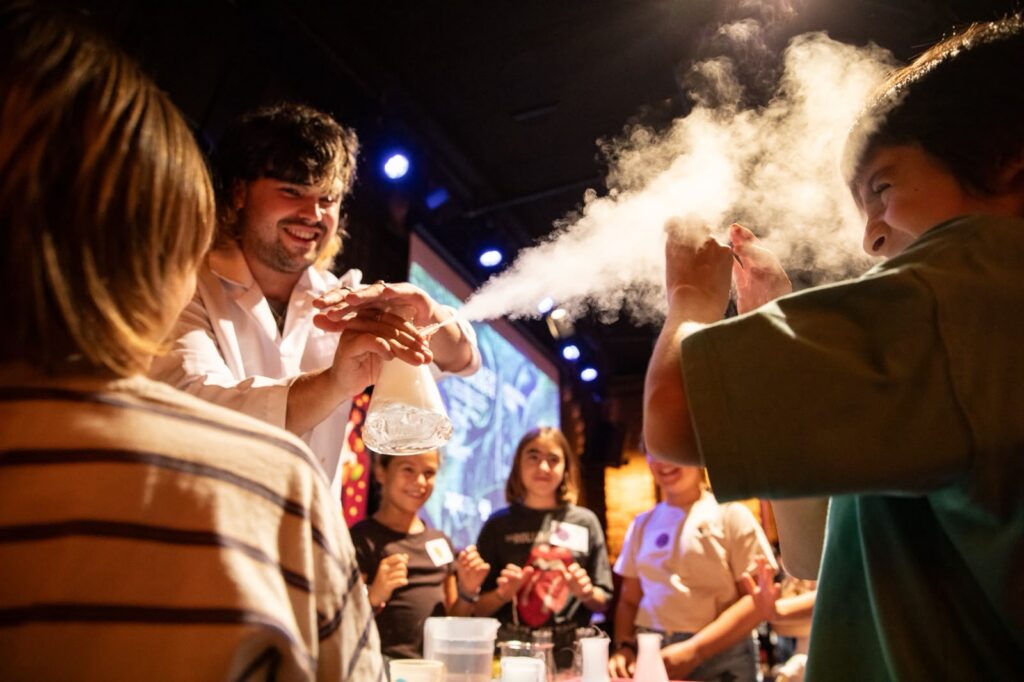
This weekend, Passion Txiki is inviting families to explore the world of science through play and curiosity. After this afternoon’s session, the programme continues with workshops, storytelling, experiments and many more activities designed to encourage children to explore, experiment and, most importantly, spark their curiosity.
This year, Passion Txiki is expanding to new venues. From Friday to Sunday, the Sala Club at the Victoria Eugenia Theatre and Tabakalera will be filled with experiences demonstrating that science is not just something you learn, but something you live, share and enjoy!
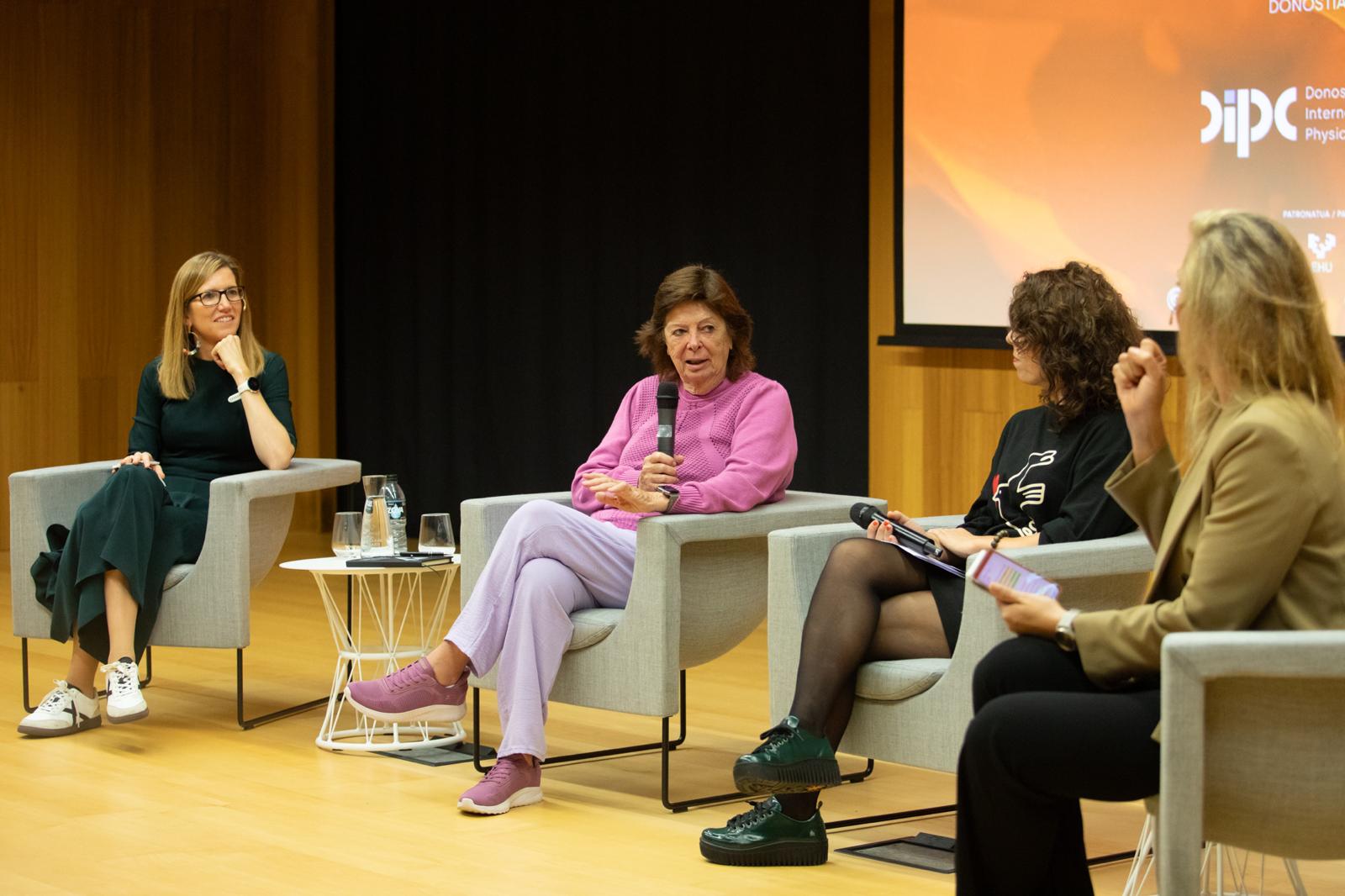
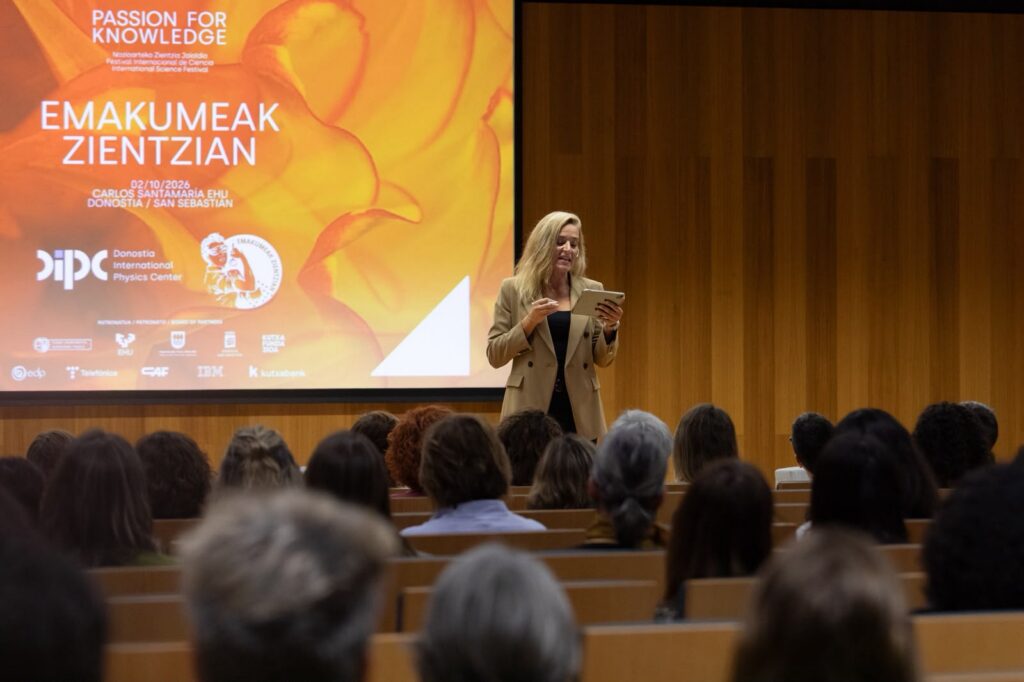
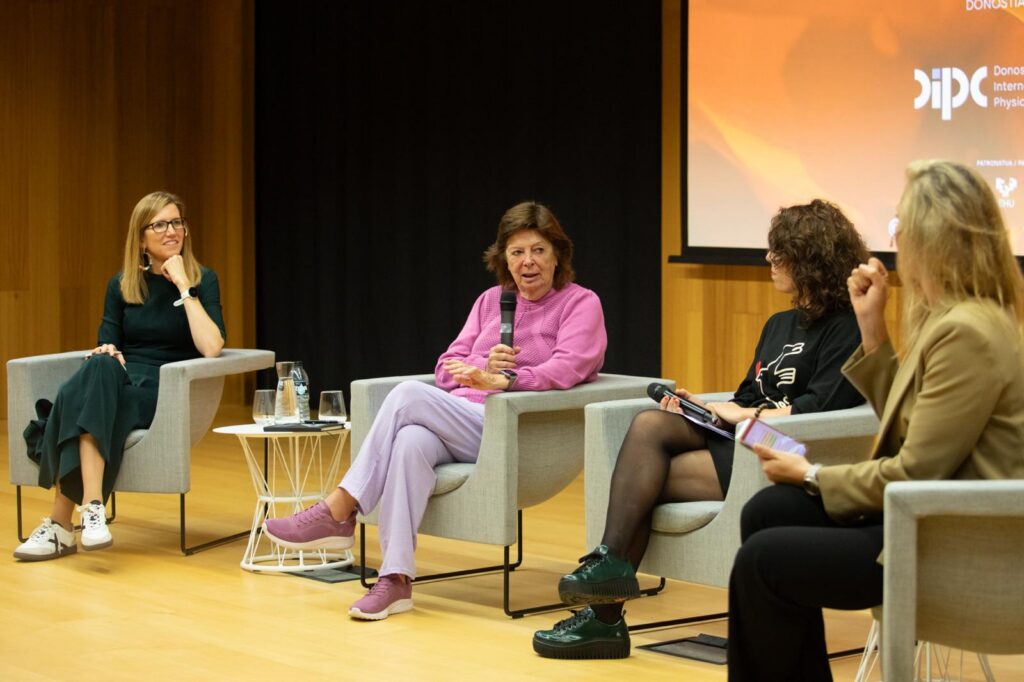
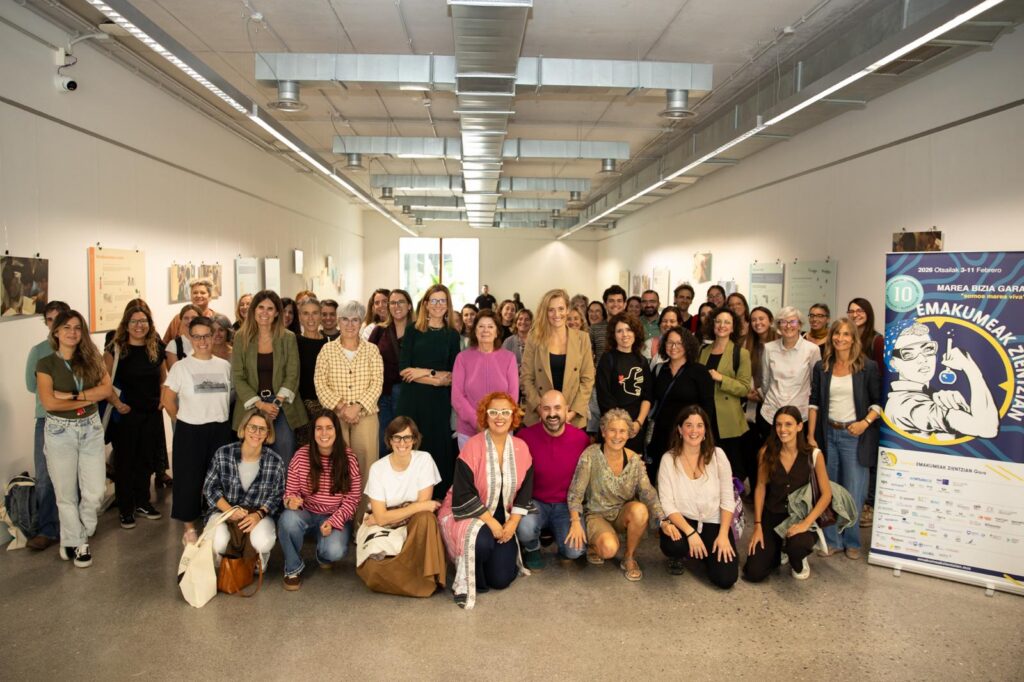
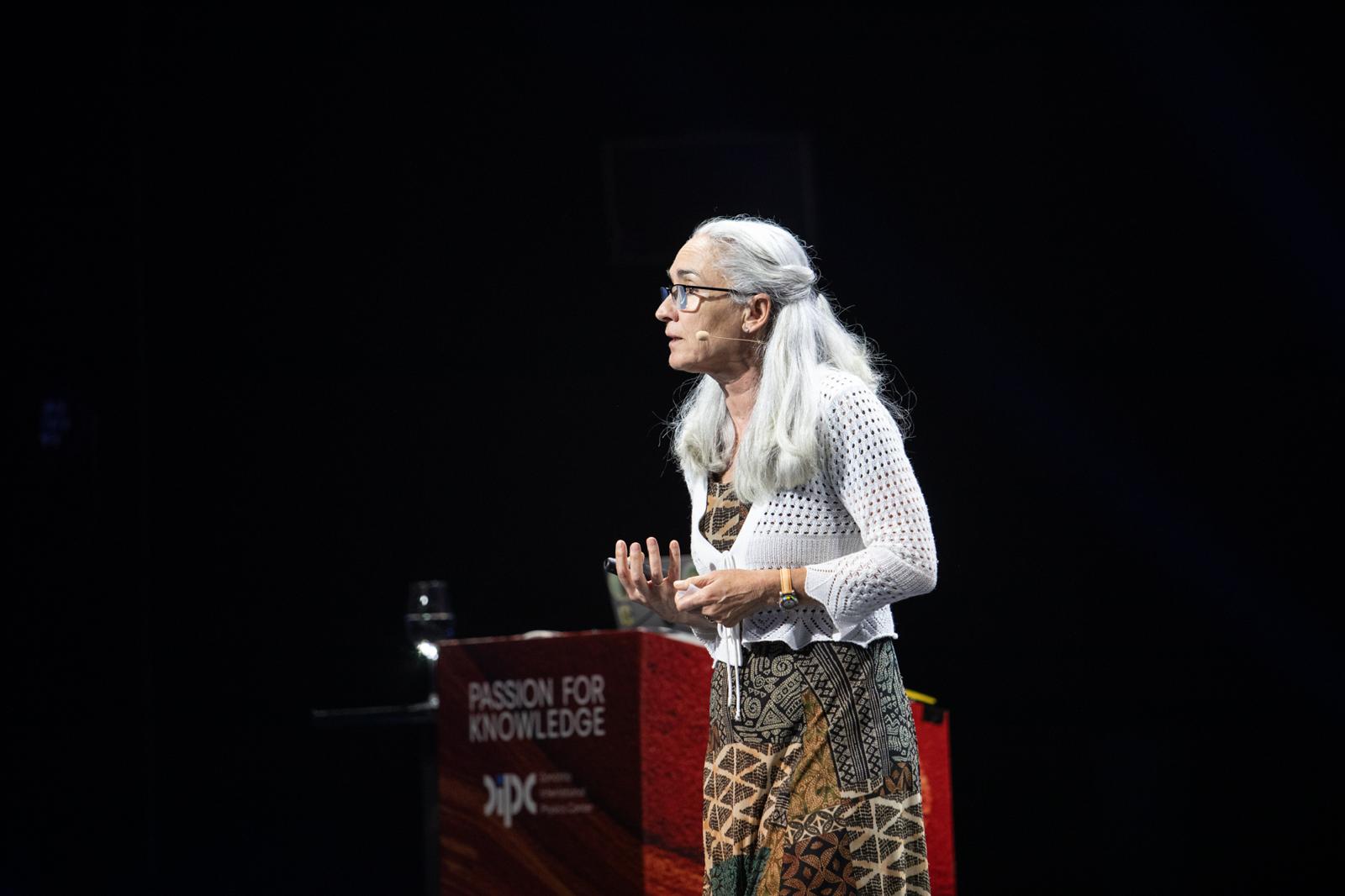
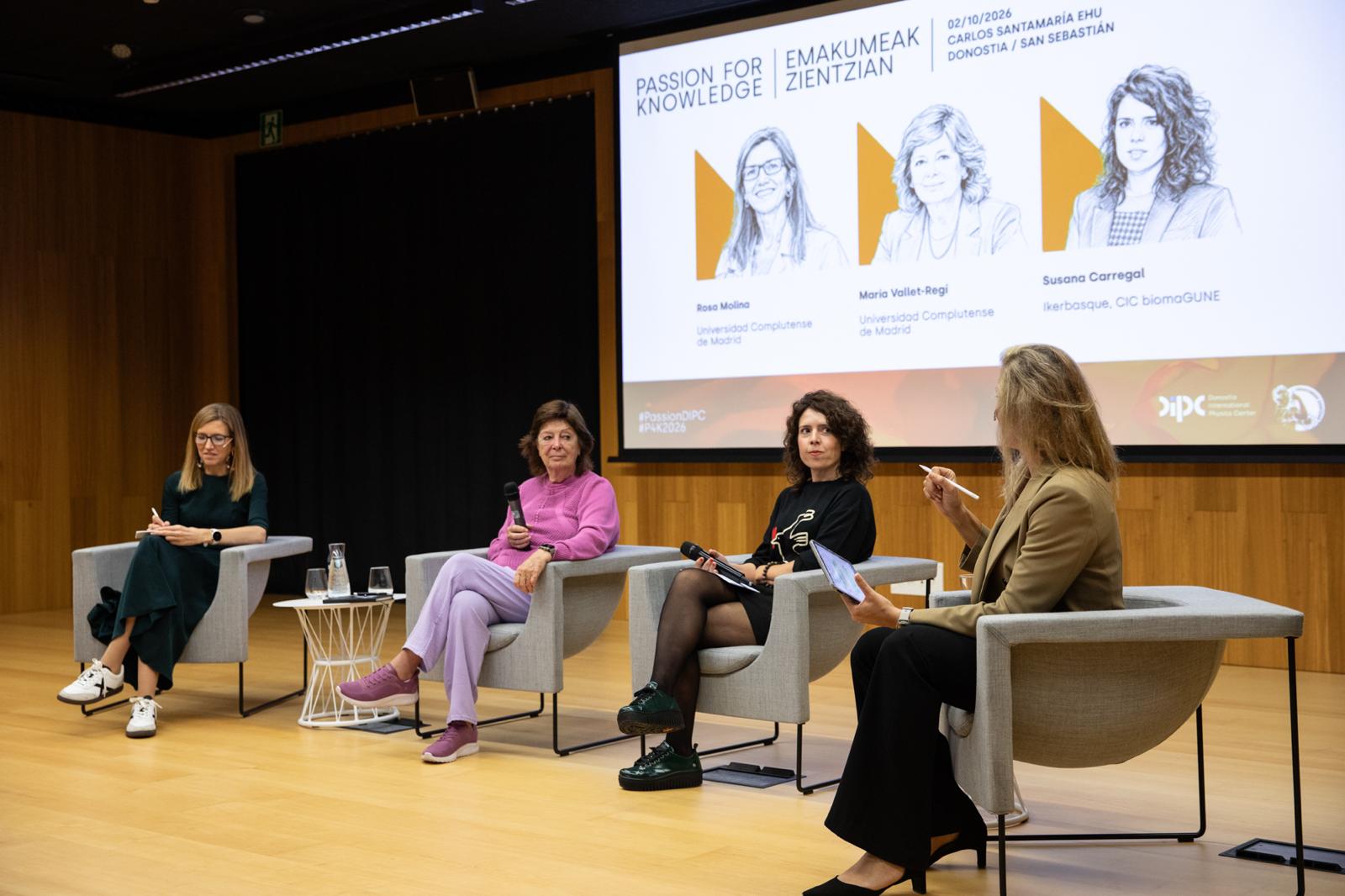
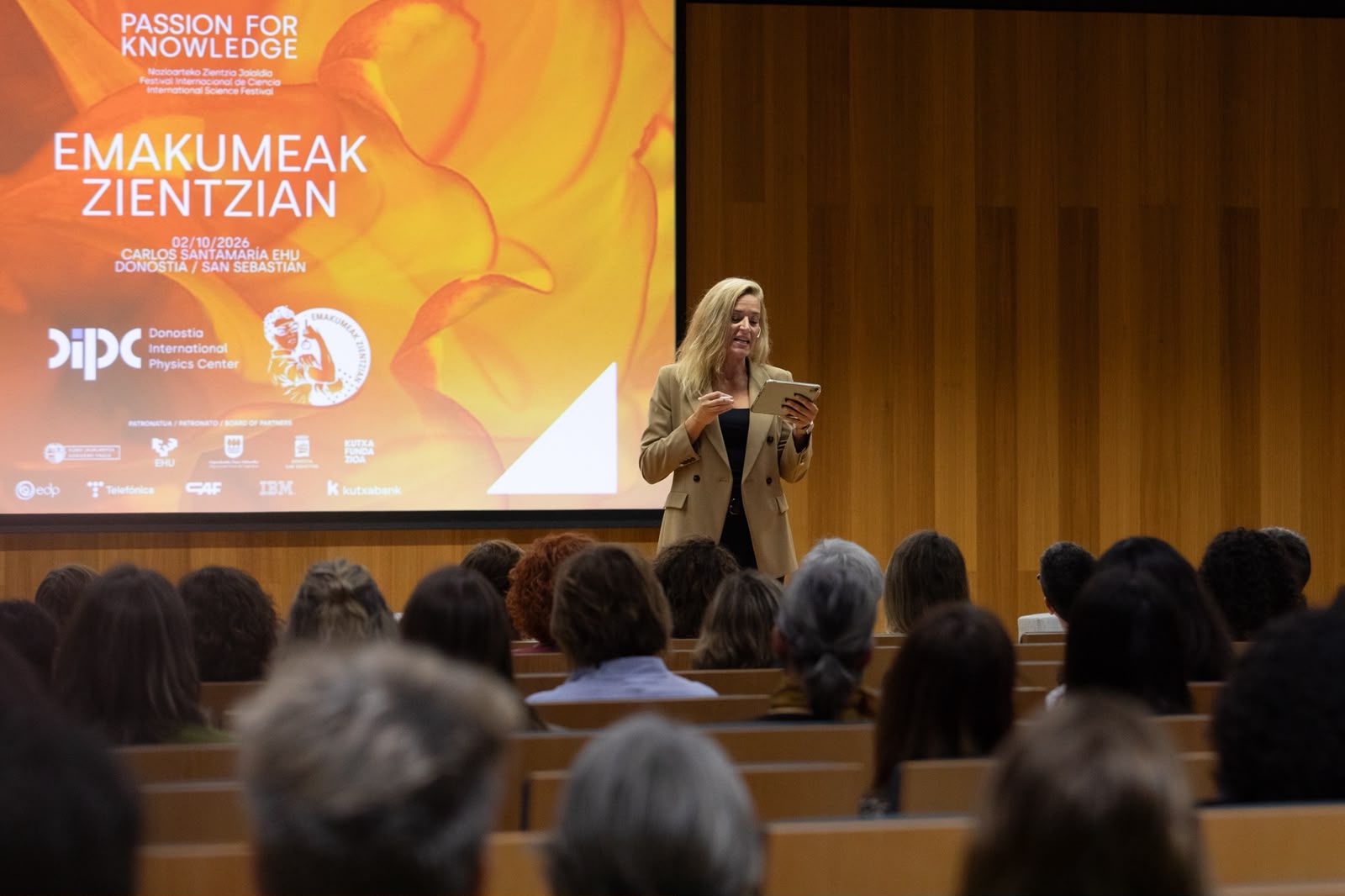
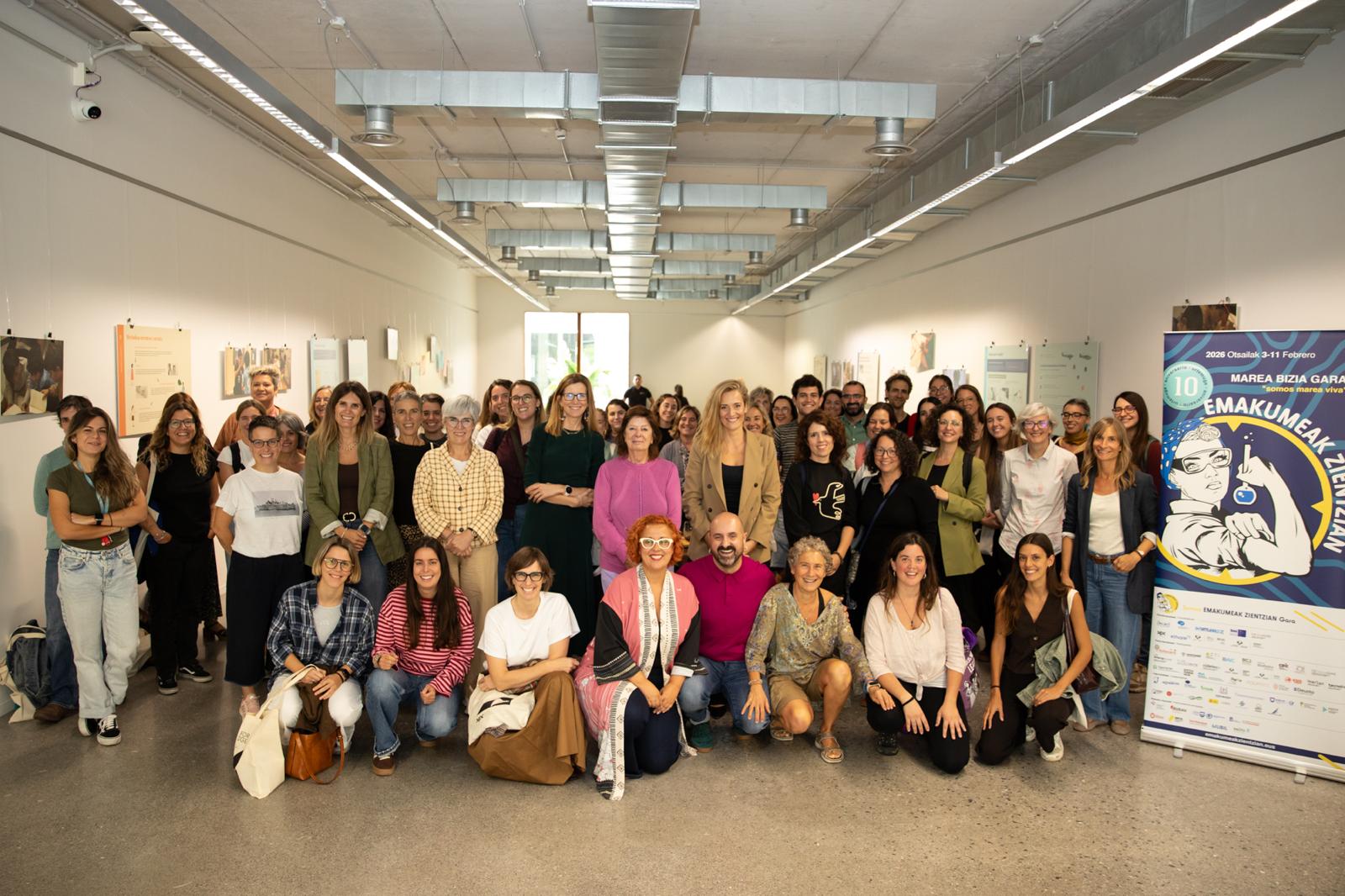
Do men and women pay a different price for pursuing a professional career? To what extent are the decisions we make truly our own, and to what extent are they influenced by the context around us? These were some of the questions addressed during the morning session of Passion for Knowledge, which was dedicated to mental health and well-being in the field of research. The session focused particularly on the inequalities and challenges that women face throughout their scientific careers. It was organised in collaboration with Emakumeak Zientzian.
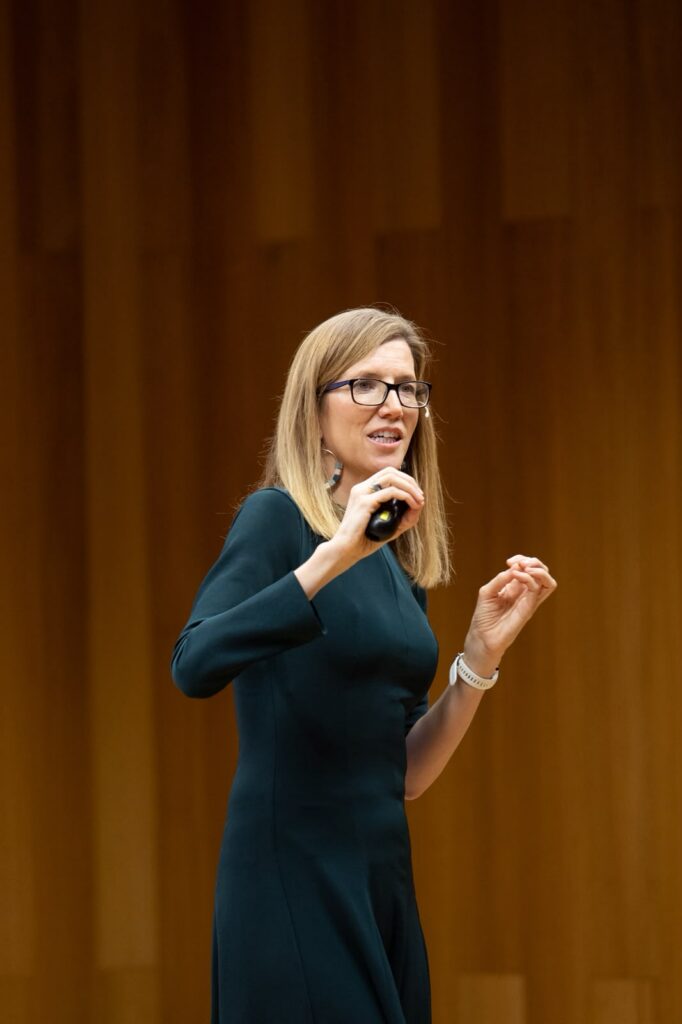
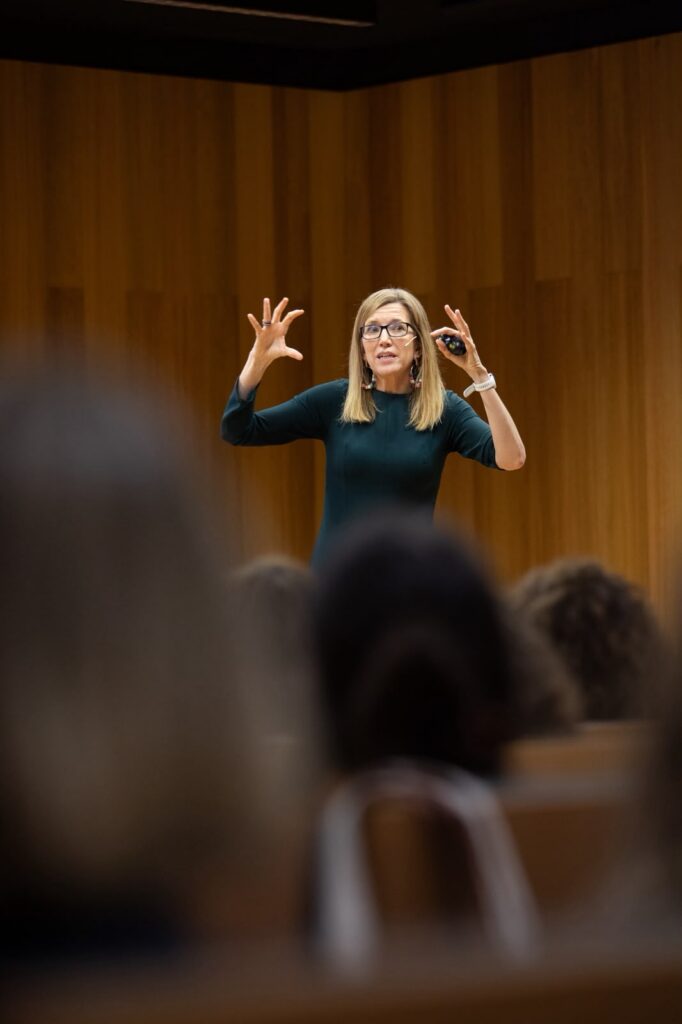
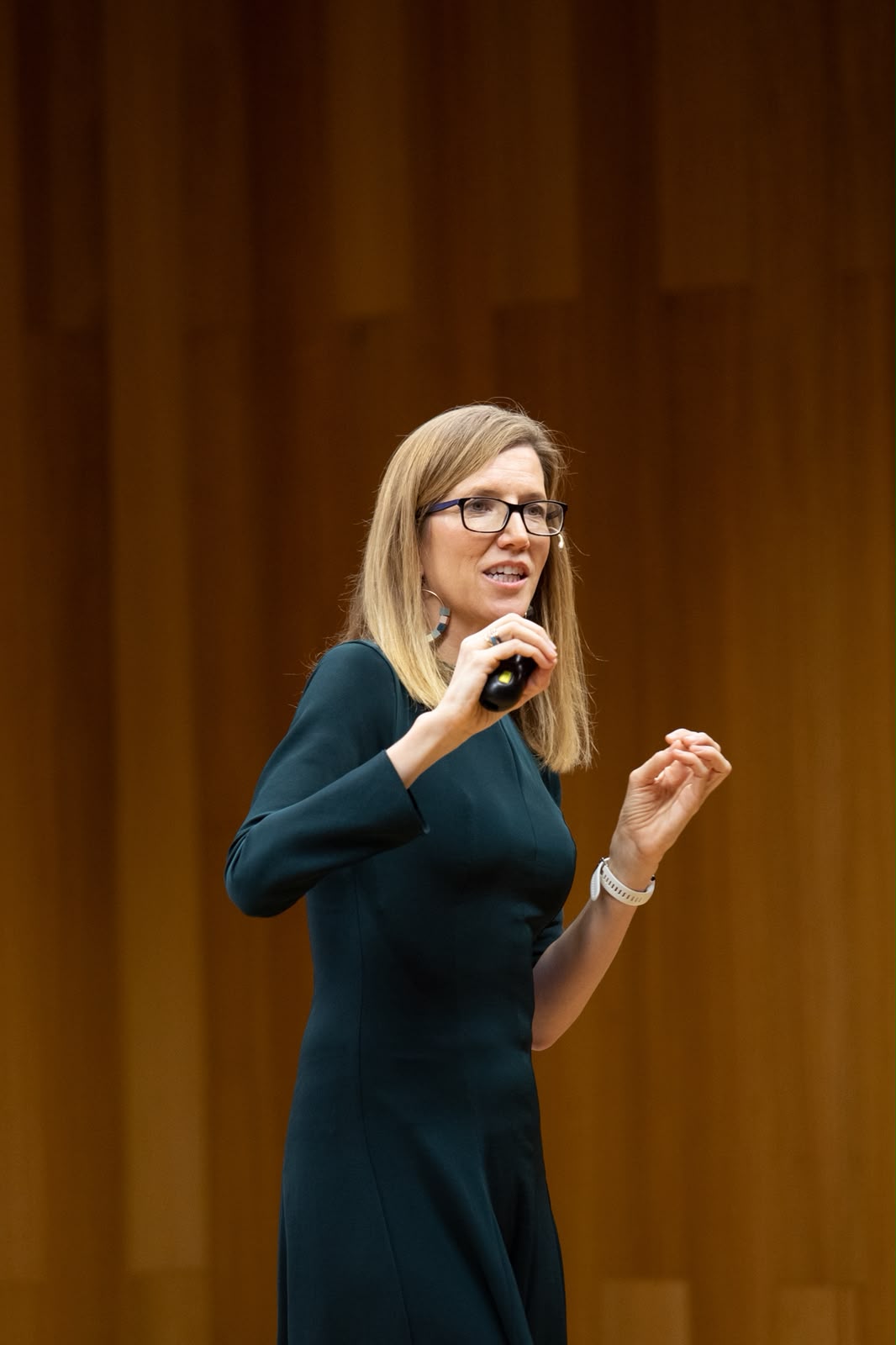
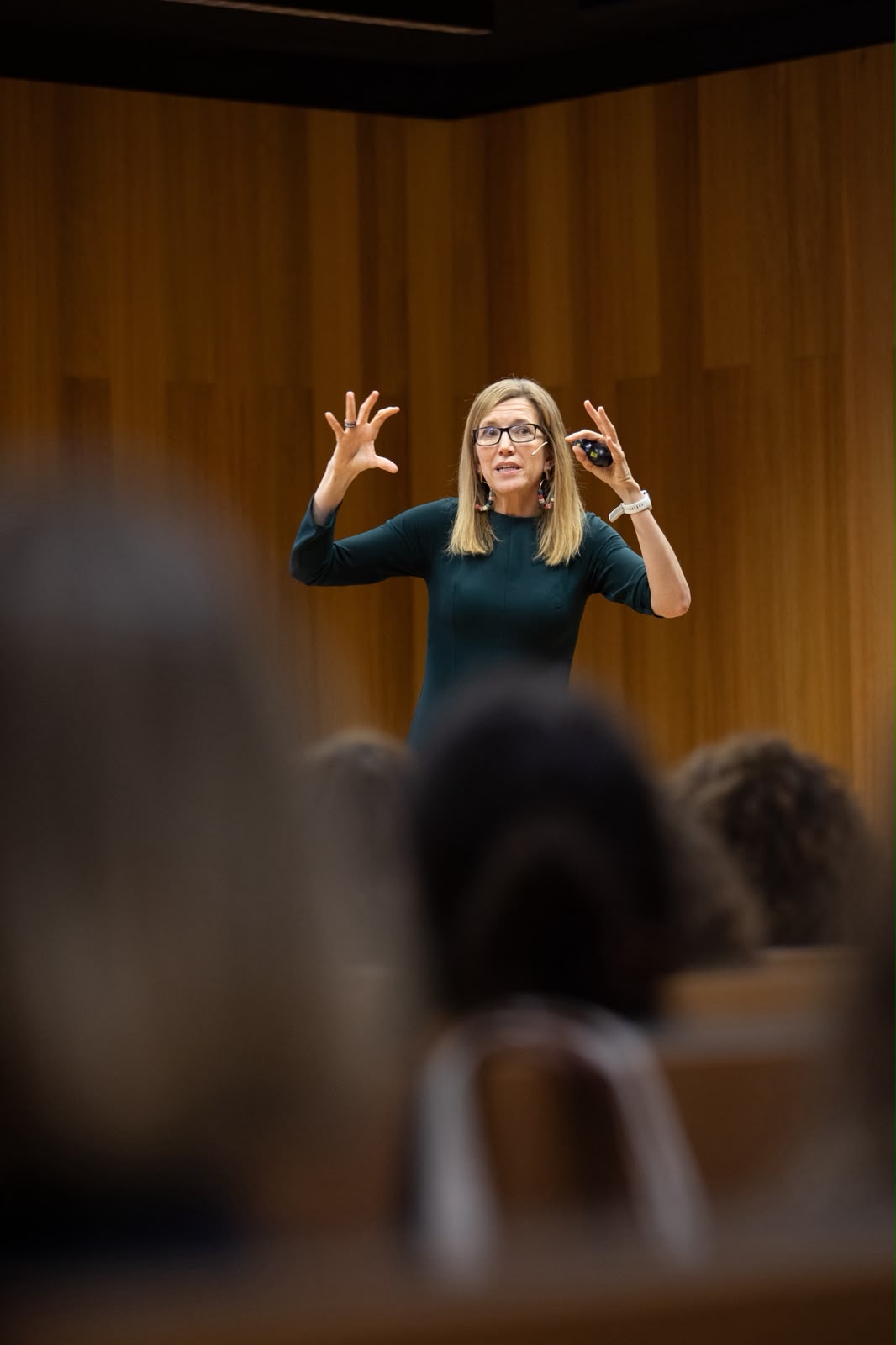
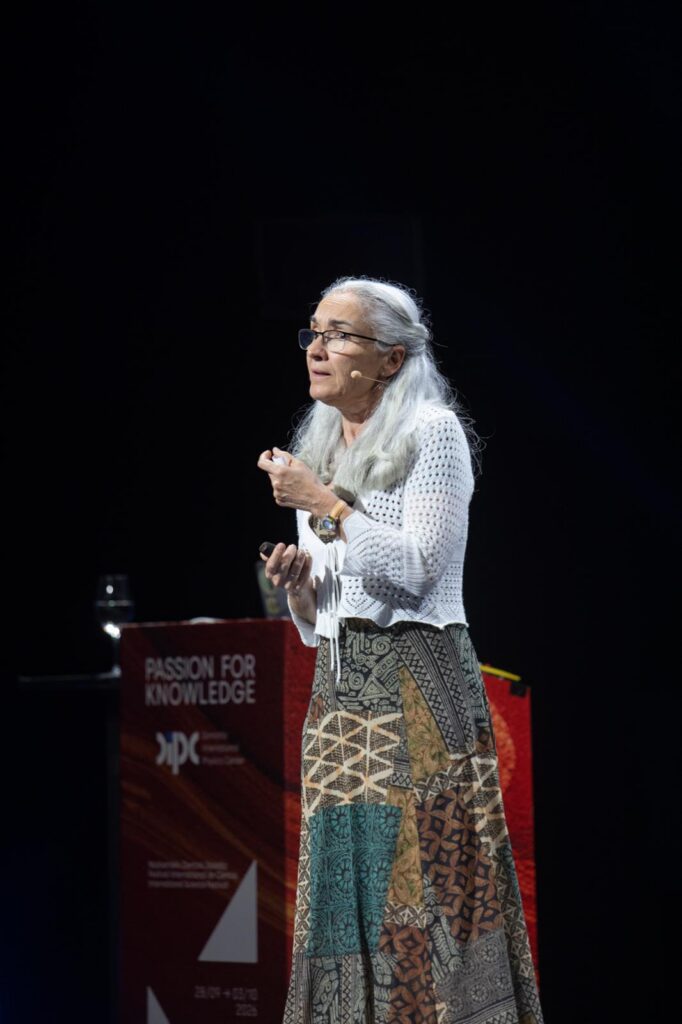
Psychiatrist and science communicator Rosa Molina opened the session by offering insights into the topic from a clinical perspective and highlighting differences in the prevalence of certain disorders.
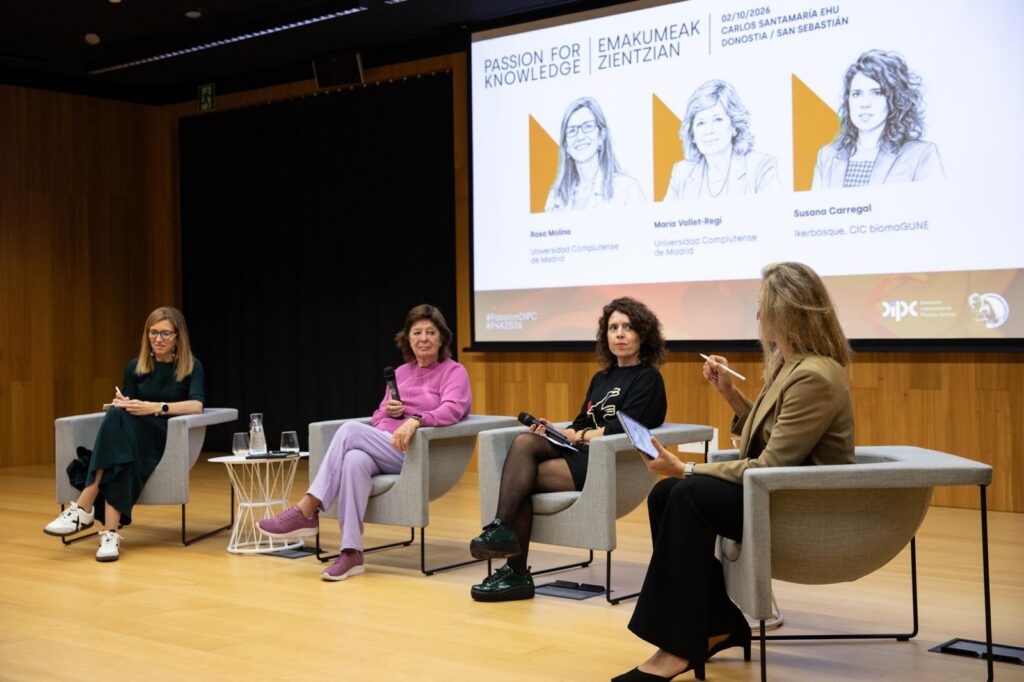
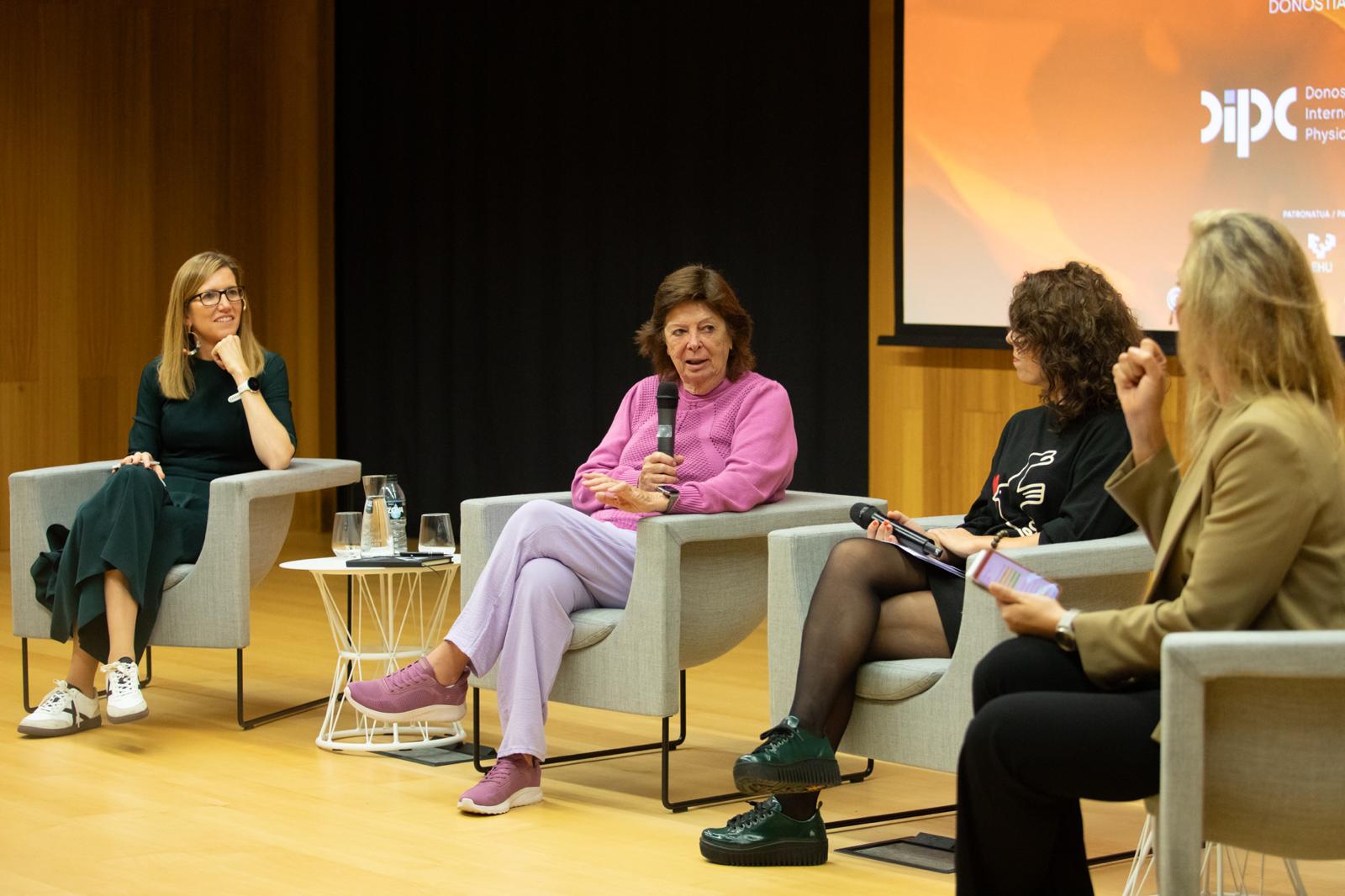
Molina then led a roundtable discussion, sharing her experiences and perspectives alongside researchers María Vallet-Regí and Susana Carregal, who come from different generations and professional backgrounds. The conversation went beyond asking whether women can attain certain positions, exploring the cost of doing so. They also questioned the extent to which our personal decisions are truly free, or whether they are decisions made within the current system.
Afterwards, the question-and-answer session gave way to a warm and relaxed exchange, in which many people felt encouraged to participate and share their insights and concerns.
The event provided an opportunity for reflection, prompting us to consider a career in science not only in terms of achievements and opportunities, but also in terms of the well-being of those who pursue it. This is because discussing mental health in science necessarily involves examining the conditions under which we conduct research, the pressures we face, and the personal and collective cost of achieving our goals.